2026 Code Updates: Safeguard Basements from Floods
Homeownership involves balancing enjoyment with vigilance, particularly when it comes to protecting below-ground spaces from water intrusion. Basements, often overlooked until problems arise, face risks from heavy rainfall, poor drainage, or rising groundwater. The 2026 building code updates address these vulnerabilities by mandating enhanced flood protection measures. These changes promote safer homes, minimize repair expenses, and enhance structural longevity for properties in flood-prone regions or any area with seasonal downpours.
Key Provisions of the 2026 Codes
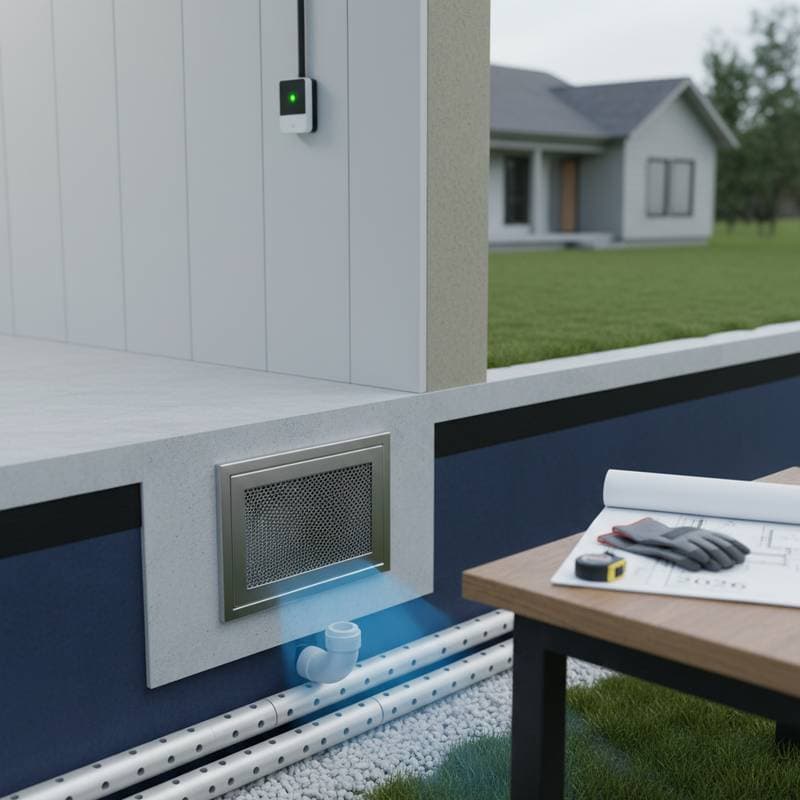
The updated codes introduce stricter standards for basement flood resilience. Builders and renovators must now incorporate certified flood vents, advanced waterproofing systems, and optimized drainage solutions. Flood vents, for instance, require installation at specific heights and sizes to equalize hydrostatic pressure during inundation events. Waterproofing demands the use of durable, code-approved membranes that resist cracking under soil pressure. Drainage systems benefit from requirements for perimeter pipes with gravel backfill to channel water away efficiently.
These provisions apply to new constructions and significant renovations, ensuring compliance through inspections. Homeowners retrofitting older homes gain clear guidelines for upgrades that align with modern safety benchmarks. By adhering to these rules, properties achieve better resistance to water damage, potentially lowering insurance premiums and increasing resale appeal.
Routine Maintenance for Prevention
Proactive maintenance forms the foundation of basement protection, complementing code requirements. Establish a quarterly inspection schedule to identify issues before they escalate. Focus on exterior elements first, as they direct water flow around the home.
- Clear gutters and downspouts of leaves, twigs, and sediment to maintain unobstructed water diversion from the foundation.
- Verify site grading by measuring slopes; aim for at least a six-inch drop over ten feet away from walls to avoid surface pooling.
- Apply sealants to minor cracks in walls or floors using products rated for hydrostatic pressure, such as polyurethane injections for flexibility.
- Simulate flood conditions for sump pumps by adding water to the basin and observing activation within seconds, followed by proper discharge.
- Flush foundation drains with a garden hose to remove silt buildup, ensuring free flow to daylight outlets or sump reservoirs.
Incorporate interior checks, like monitoring humidity levels below 60 percent with a hygrometer. These practices, when consistent, reduce the likelihood of code violations during assessments and extend the life of waterproofing investments.
Identifying Early Indicators of Water Intrusion
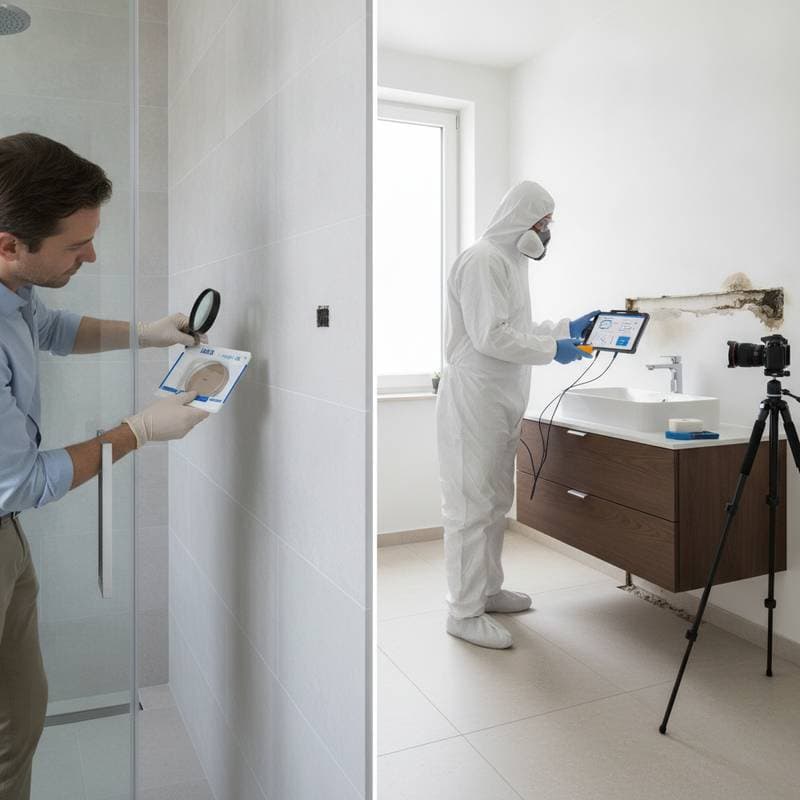
Water issues in basements manifest gradually, allowing time for intervention if spotted promptly. Efflorescence appears as crystalline salt deposits on masonry surfaces, signaling moisture migration through porous concrete. Musty smells arise from mold growth in hidden voids, often detectable before visible mold colonies form.
Other cues include discoloration or flaking on painted surfaces low to the ground, indicating capillary action drawing water upward. Warped wood elements or softened drywall edges suggest sustained dampness. Rust stains on appliances or structural steel point to chronic exposure.
Address these signs by tracing sources: test soil saturation near walls after rain or use moisture meters on interior finishes. The 2026 codes prioritize source remediation over cosmetic treatments, encouraging techniques like installing vapor barriers to halt progression.
Deciding Between DIY and Expert Interventions
Many preventive measures suit hands-on homeowners, building confidence in basic property care. Tasks such as gutter cleaning or crack sealing require minimal tools and pose low risk. Installing a pedestal dehumidifier or extending downspout leaders with flexible tubing falls into this category, offering quick wins for moisture control.
Professional involvement becomes essential for complex applications. Certified flood vent retrofits demand precise cutting and sealing to maintain structural integrity. Foundation drainage enhancements, like excavating for French drains, involve heavy equipment and engineering assessments to avoid undermining stability.
Evaluate severity: isolated drips may warrant DIY sealants, but recurring seepage or structural shifts necessitate a geotechnical engineer's input. Licensed contractors ensure work meets 2026 standards, providing warranties and documentation for future sales or insurance claims.
Cost-Effective Upgrade Strategies
Enhancing flood protection need not strain budgets; prioritize based on risk assessment. Begin with inexpensive adjustments that yield immediate benefits. For example, redirect downspouts at least five feet from the foundation using splash blocks or buried lines.
Mid-level options include adding a primary sump pump paired with an alarm system for overflow alerts. Interior perimeter drains, installed along baseboards, collect seepage before it spreads. These systems, often completed in a weekend, cost under $1,000 and integrate with existing setups.
For comprehensive defense, invest in exterior upgrades like dimple mat drainage boards applied during siding removal. Certified flood vents, priced from $150 each, qualify for FEMA credits in high-risk zones. Layer these with code-compliant waterproofing coatings for layered protection, balancing upfront costs against avoided flood recovery expenses.
The Role of Flood Vents in Code Compliance
Engineered flood vents serve as critical pressure-relief mechanisms in the 2026 framework. Positioned no higher than 12 inches above grade, they permit water entry to prevent wall bowing under flood forces. Standards specify minimum net open area per enclosed space, typically one square inch per square foot of foundation wall.
Select models with FEMA approval, featuring breakaway panels or mechanical flaps that respond to rising water without manual intervention. Installation involves framing openings in block walls and securing vents with corrosion-proof anchors. For enclosed crawl spaces or garages, multiple vents ensure even distribution.
Homeowners verify compliance by checking local building department listings for approved products. During renovations, integrate vents into design plans to avoid costly retrofits later. This element alone can transform a basement from vulnerable to resilient.
Sustaining Protection Through Ongoing Vigilance
Long-term basement health relies on integrated care routines aligned with code expectations. Conduct annual professional audits to evaluate waterproofing efficacy and vent functionality. Post-storm reviews document any near-misses, informing targeted reinforcements.
When finishing spaces, opt for closed-cell spray foam insulation that repels moisture and gypsum-free drywall alternatives. Select vinyl plank flooring over carpet for easy cleanup and mold resistance. Maintain records of all interventions, from maintenance logs to contractor invoices, to demonstrate due diligence.
These strategies not only fulfill 2026 mandates but also preserve your home's integrity. A well-protected basement supports comfortable living, reliable storage, and enduring property value in an era of unpredictable weather.