2026 FEMA Flood Vent Rules Homeowners Must Understand
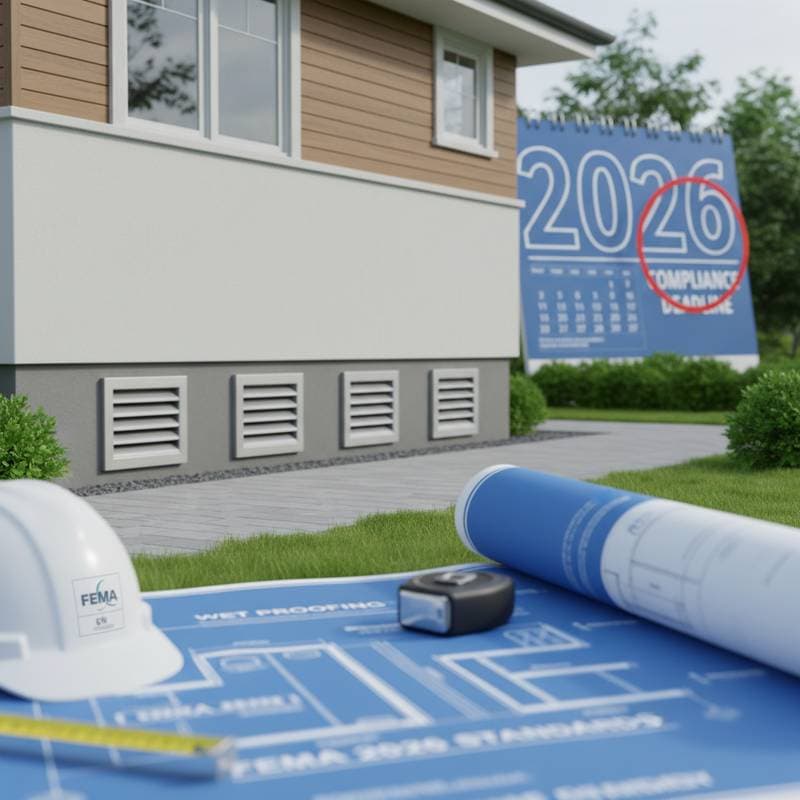
Flooding ranks among the most costly and devastating hazards for residential properties. Effective flood protection involves more than merely blocking water entry; it requires facilitating safe water passage during inundation events. FEMA flood vents play a crucial role in this process by equalizing hydrostatic pressure, thereby reducing structural damage and ensuring compliance with federal floodplain management standards. The forthcoming 2026 FEMA flood vent regulations introduce significant changes that influence construction, retrofitting, and insurance for properties in flood-prone regions.
Homeowners planning renovations or new builds in designated flood zones must grasp these regulations fully. Such knowledge empowers informed decisions and highlights the necessity of professional involvement to achieve optimal outcomes.
Essential Facts
Average Cost: $200 to $500 per vent, including installation
Typical Installation Duration: 1 to 2 days for a standard residential setup
Expected Lifespan: 20 to 30 years, provided regular maintenance occurs
Complexity Level: Moderate for experienced DIY enthusiasts, but professional installation recommended for safety and compliance
These figures provide a baseline for budgeting and planning. Factors such as property size and location can influence actual expenses and timelines.
Detailed Cost and Installation Analysis
The expense of installing flood vents varies based on the quantity needed, foundation configuration, and whether the project involves new construction or retrofitting an existing structure. Properties in flood zones typically necessitate 4 to 10 vents to meet equalization requirements. Individual vents range from $150 to $400 in material costs, with labor adding $100 to $200 per unit.
Cost Breakdown by Vent Type
| Vent Type | Material | Average Cost (per vent) | Labor Estimate |
|---|---|---|---|
| Standard engineered vent | Stainless steel | $200–$350 | $100–$200 |
| Non-engineered vent | Plastic or aluminum | $100–$250 | $100–$150 |
| Smart automatic vent | Stainless steel with float mechanism | $300–$500 | $150–$250 |
Beyond the vents themselves, anticipate additional charges for sealing compounds, masonry alterations, and required permits. Retrofitting older foundations often incurs higher costs due to the need for precise concrete cutting or reinforcement adjustments. Obtaining multiple quotes from certified contractors helps identify cost-effective options without compromising quality.
Navigating the 2026 FEMA Requirement Updates
The 2026 revisions to FEMA flood vent standards elevate expectations for design, certification, and positioning to enhance flood resilience. Homeowners benefit from familiarizing themselves with these core elements:
- Engineered Certification: Vents qualify only if tested and certified by an accredited body, designating them as engineered openings. Non-engineered alternatives risk failing National Flood Insurance Program (NFIP) criteria.
- Placement Specifications: Install vents no higher than one foot above the surrounding grade to facilitate prompt water entry.
- Equalization Capacity: Provide one square inch of net open area per square foot of the enclosed space below the base flood elevation.
- Operational Functionality: Vents operate automatically, opening upon water contact and sealing after recession to minimize ongoing exposure.
- Material Durability: Select corrosion-resistant options for environments with saltwater intrusion or persistent humidity.
These provisions promote unimpeded water flow through crawl spaces and enclosures, averting pressure-induced failures like wall breaches during floods. Compliance not only safeguards structural integrity but also qualifies properties for NFIP insurance discounts, potentially saving thousands annually.
Strategies to Minimize Flood Vent Expenses
Upgrading for flood protection demands investment, yet strategic approaches enable cost control while upholding regulatory adherence. Consider these practical methods:
- Integrate with Existing Projects: Align vent installation with concurrent work, such as foundation repairs or exterior upgrades, to consolidate labor and reduce mobilization fees.
- Pursue Financial Incentives: Investigate rebates through municipal flood mitigation initiatives or state programs, which can offset 20 to 50 percent of costs for eligible improvements.
- Opt for Engineered Solutions: Higher initial outlays for certified vents yield long-term savings via insurance premium reductions, often recouping expenses in two to three years.
- Time Installations Strategically: Engage contractors during off-peak seasons, like late fall or early spring, when demand dips and rates decrease by 10 to 20 percent.
- Engage Insurance Providers Early: Share upgrade plans with your flood insurer; verified compliance documentation frequently results in tailored rate adjustments.
Implementing these tactics transforms a substantial expense into a manageable enhancement that bolsters property value and security.
Key Inquiries for Contractor Selection
Selecting a reliable professional ensures seamless installation and sustained performance. Pose these targeted questions to prospective contractors:
- Do the vents you install meet FEMA engineered certification standards?
- Will you supply certification documents suitable for insurance verification?
- Does your service encompass securing permits and coordinating inspections?
- What is the projected installation timeline, and how might it impact any existing structural warranties?
- What routine maintenance protocol do you recommend post-installation?
Thoughtful responses reveal the contractor's expertise and commitment to your project's success. Verify credentials through local licensing boards to further mitigate risks.
Ensuring Long-Term Vent Performance
Post-installation care sustains the efficacy of flood vents and preserves compliance status. Conduct annual inspections, or more frequently following flood exposure, to detect issues early. Remove accumulated debris, sediment, or obstructions that could impair functionality. Promptly address signs of corrosion or mechanical failure by sourcing replacements from certified suppliers.
Diligent upkeep extends vent longevity and reinforces your home's defenses against future water events. Document all maintenance activities to support insurance claims if needed.
Steps Toward Flood-Resilient Homeownership
Adhering to FEMA flood vent regulations transcends bureaucratic obligations; it fortifies foundations, curbs insurance expenditures, and elevates overall safety amid intensifying weather patterns. For properties in flood-designated areas, initiate a professional assessment promptly to evaluate current compliance and outline necessary upgrades. Proactive measures today secure peace of mind and financial protection tomorrow.