2026 FEMA Changes: Flood Vents and Wet-Proofing Rules
Homeowners in flood-prone areas face new challenges as FEMA updates its floodplain management standards. These updates reshape how properties handle floodwater movement, structural safety, and compliance for insurance eligibility. Properties near coastal zones, low-lying inland areas, or with basements below grade require attention to the revised flood vent and wet-proofing rules.
Compliance projects involve more than simple vent replacements. The new framework alters requirements for floodwater entry and exit on both new construction and existing home retrofits. Early preparation reduces future expenses and supports long-term property resilience.
Updated Requirements for Flood Vents
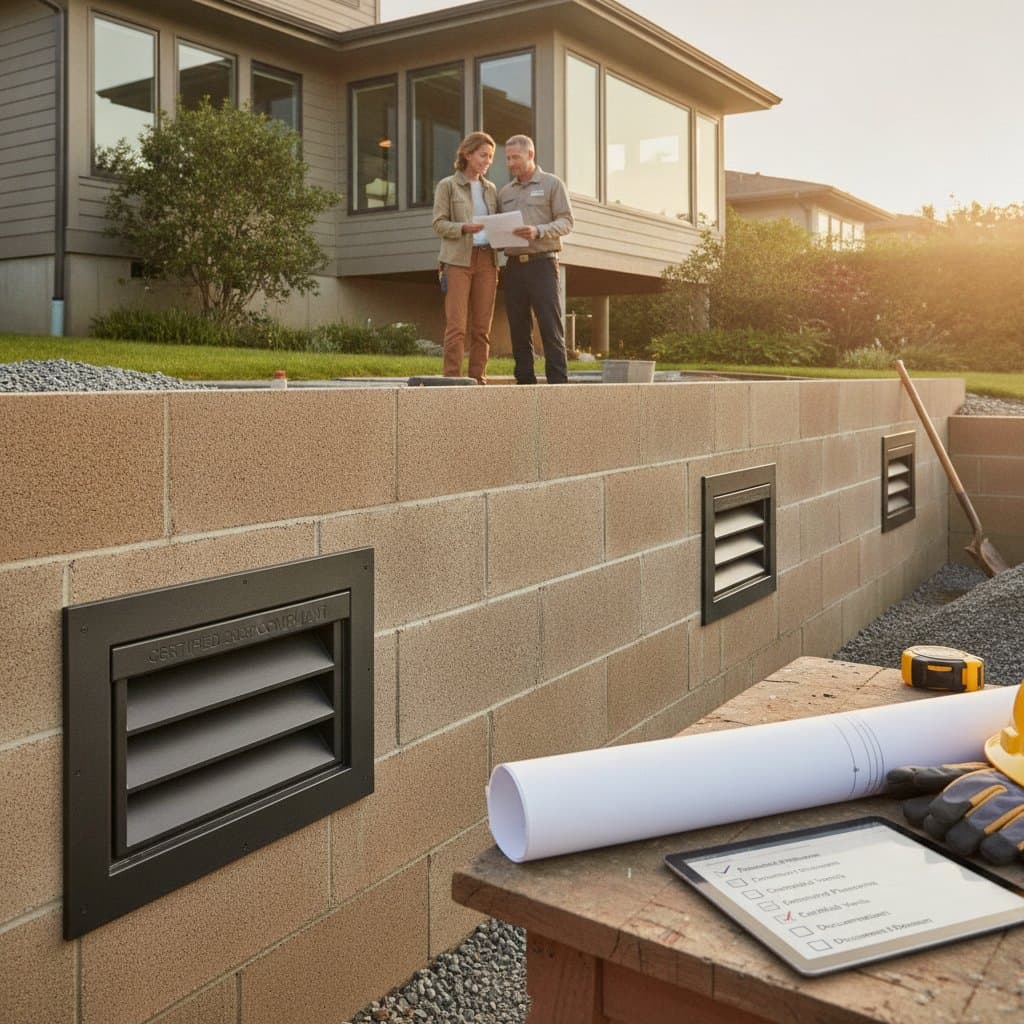
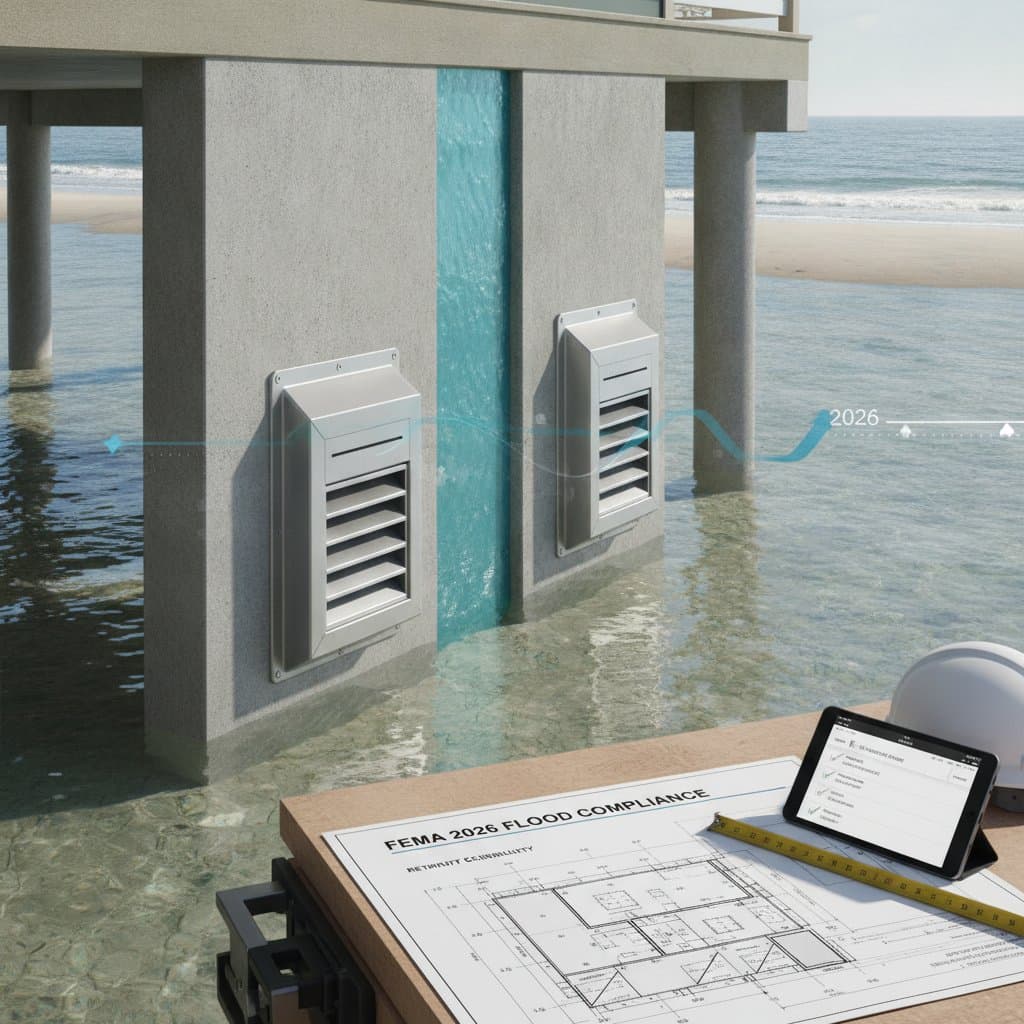
FEMA revisions mandate stricter testing and certification for flood vents. These components, installed at foundation wall bases, permit water flow to prevent pressure buildup. Standards now emphasize hydrostatic pressure equalization so that water enters and exits freely during floods.
Older or non-engineered vents no longer qualify. Only units tested to updated performance metrics meet compliance criteria. This shift affects National Flood Insurance Program eligibility and local building permits.
Uncontrolled water pressure remains a leading cause of structural failure. Replacement becomes necessary when existing vents fail to meet the new metrics.
Expanded Standards for Wet-Proofing
Wet-proofing allows water entry in designated areas while protecting against major damage. The revised guidelines broaden acceptable materials to include concrete, closed-cell foam insulation, and marine-grade electrical components. Rules for utility elevation and sealing also tighten.
Basements and crawlspaces often need partial retrofits. Replacements such as cement board for drywall or submersible sump pumps may become mandatory in specific zones.
Projected Costs for Upgrades
Certified flood vents range from 250 to 500 dollars per unit based on size and certification. Most homes require four to six units, producing material costs between 1000 and 3000 dollars. Labor adds 2000 to 8000 dollars depending on foundation type.
Combined vent installation and wet-proofing upgrades typically total 10000 to 18000 dollars. Contractors experienced with FEMA standards help avoid insurance rejections that arise from improper placement or documentation.
Professional Installation Versus Owner Tasks
Vent location, elevation, and spacing demand precise design for pressure equalization. Owners with masonry experience may handle basic installation, yet a professional engineer or certified floodplain manager must verify compliance.
Waterproof coatings, PVC baseboards, and removable barriers suit owner application. Electrical and structural modifications require licensed professionals. High-risk zones often mandate certified inspections afterward.
Obtain multiple quotes from local contractors familiar with the revised standards before beginning work.
Optimal Scheduling for Compliance Work
Specialist contractors already schedule months ahead. Material prices vary with trade conditions, particularly for stainless steel and composite systems. Off-season timing, such as late spring or early fall, improves contractor availability and weather conditions.
Align projects with insurance renewal dates. Documentation of upgrades supports favorable rate maintenance during reviews.
Required Documentation Practices
Product certifications, installation photographs, and engineer letters confirm adherence to revised criteria. Organized records of receipts, data sheets, and reports prevent delays during reassessments. Proper files also support premium reductions that depend on verified compliance.
Financial Returns from Compliance
FEMA-compliant vents reduce annual flood insurance premiums by 10 to 25 percent. Wet-proofing protects foundations and supports higher resale values in flood-prone markets. Full retrofit returns range from 70 to 90 percent depending on region and risk level.
Steps Toward Full Compliance
- Assess current vents, materials, and utility placements.
- Arrange inspection by a floodplain manager or engineer.
- Prepare a budget covering 5000 to 18000 dollars based on scope.
- Book contractors experienced with FEMA standards in advance.
- Maintain complete certification and installation records.
- Conduct annual reviews to sustain compliance amid evolving conditions.
These measures protect property value, maintain insurance access, and reduce damage risk during flood events.