2026 FEMA Floodplain Updates for Flood Vents and Wet Proofing
FEMA will implement revised floodplain management standards in 2026. These changes will affect how homes manage floodwater entry and moisture exposure. Property owners in designated flood zones must understand the requirements to maintain compliance.
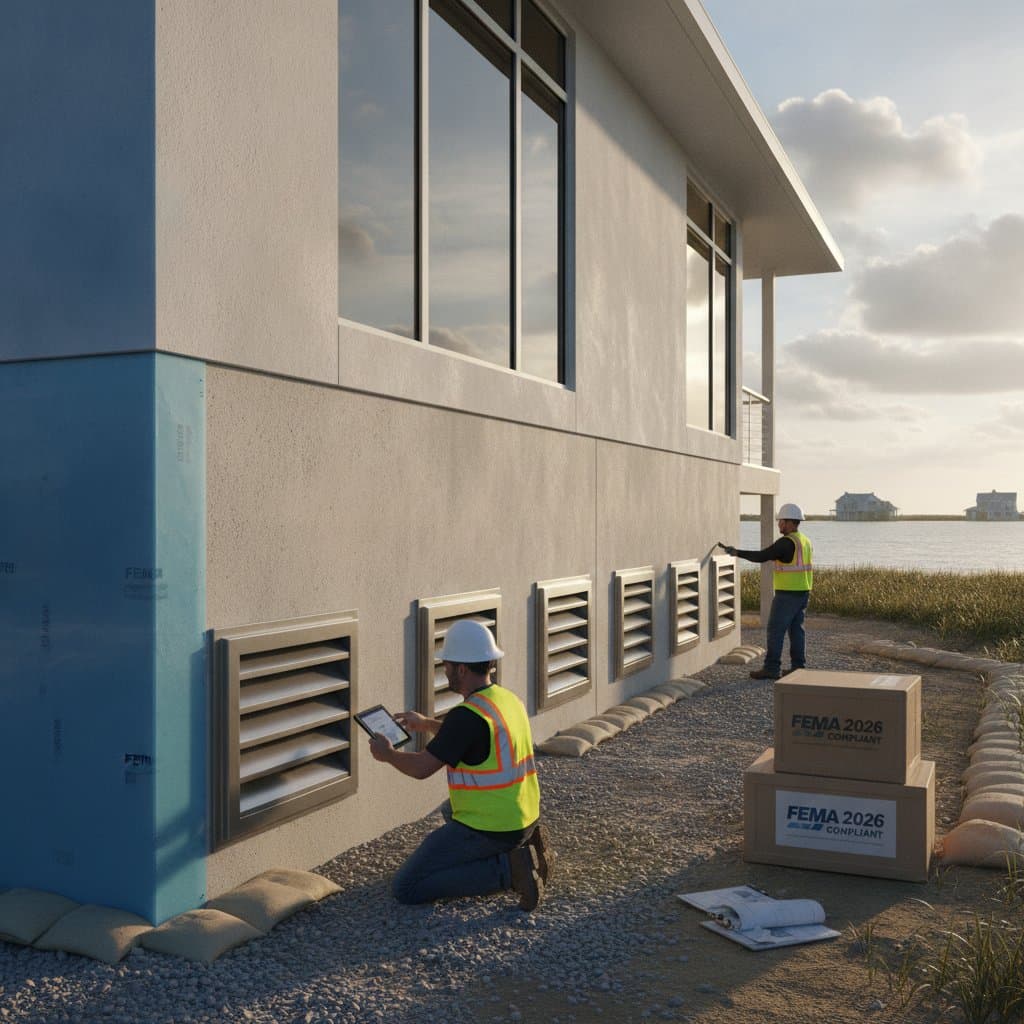
The updates emphasize equalized water pressure through certified openings. They also promote integrated wet proofing that combines drainage with durable materials. Older installations may fall short of the new testing criteria.
Key Requirements Under the Revised Standards
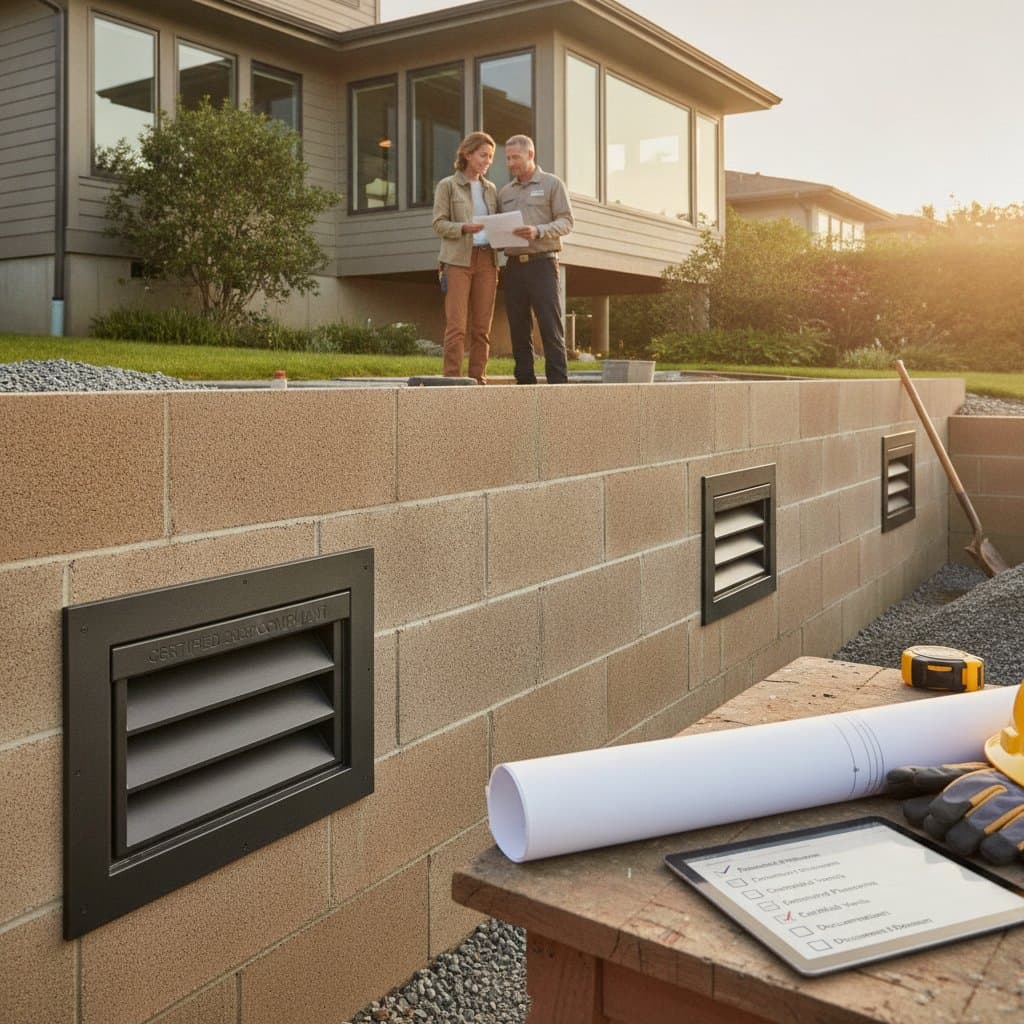
- Install only vents that carry current certification for pressure equalization and debris resistance.
- Combine venting with sealed moisture barriers and directed drainage paths.
- Verify that all components meet the updated performance tests before installation.
- Retain manufacturer documentation for every vent and coating used.
- Schedule inspections early to confirm alignment with local permitting rules.
These steps reduce the risk of denied insurance claims or required rework after the rules take effect.
Current Cost Ranges for Compliance Upgrades
| Component | Low-End Cost | High-End Cost | Notes |
|---|---|---|---|
| Flood vents (per unit) | $250 | $600 | Certified stainless or aluminum models only |
| Labor (installation) | $800 | $2,500 | Varies with access and wall type |
| Wet proofing coatings | $1,200 | $3,000 | Includes barriers and sealants |
| Drainage improvements | $1,000 | $3,500 | May add sump pumps or trench drains |
| Permits and inspection | $300 | $700 | Determined by jurisdiction |
Budget toward the higher end to account for supply variability and certification testing.
Recommended Preparation Timeline
Contact the local building department to learn the schedule for the next map revision. Many jurisdictions already apply the forthcoming criteria during permit review. Schedule work for spring or early summer when contractor availability is greater and material lead times are shorter.
Avoid periods of peak storm activity. During those months both labor and specialized components become difficult to secure.
Insurance and Property Value Considerations
Premium calculations will reflect whether vents and wet proofing meet the updated certification. Noncompliant properties may face higher rates even without prior claims. Homes that achieve verified compliance can qualify for credits through community rating programs.
Buyers and appraisers increasingly examine flood disclosures. Documented upgrades support stronger valuations and smoother transactions.
Situations That Require Licensed Specialists
Masonry walls or new wall openings call for a structural or civil engineer. The engineer confirms load paths and stamps drawings when permits require them. Electricians must handle any pump or automated system wiring to avoid safety and coverage issues.
Inspectors will request vent certification papers at final review. Keep all manufacturer and installer records accessible.
Ongoing System Care
Examine vents twice each year for obstructions or corrosion. Clear debris after storms to preserve pressure equalization. Check wet proofed surfaces for coating wear and reseal joints on a regular cycle.
Allocate $200 to $400 annually for supplies and professional checks. This routine protects the larger investment in compliance.
Long Term Protection Outcomes
Certified systems lower the chance of structural damage during flood events. They also stabilize insurance costs and support higher resale values over time. Early action positions a property for sustained safety and financial resilience.