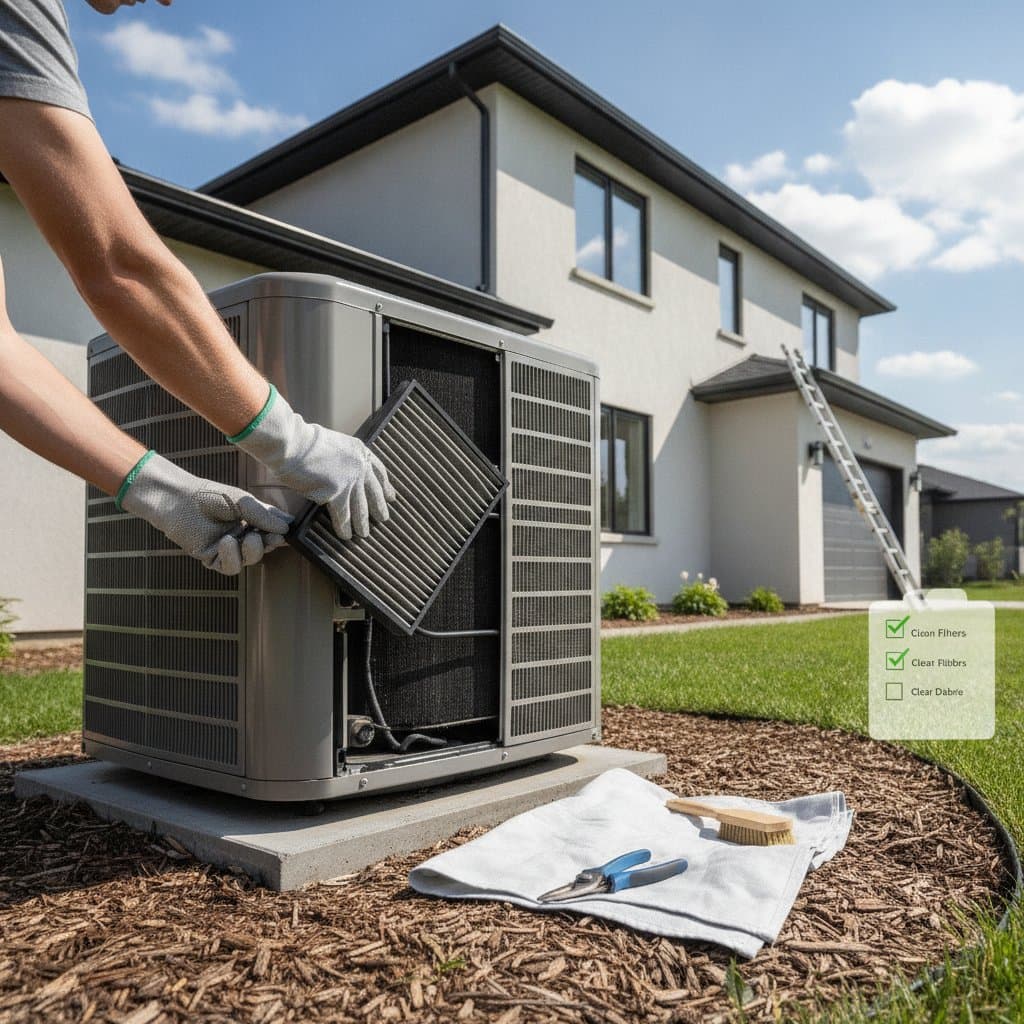
Understanding the 2026 FEMA Flood Vent Code Updates
Flooding poses significant risks to residential properties, often resulting in extensive damage and financial loss. FEMA establishes flood vent standards to mitigate these threats by permitting water to enter and exit enclosed areas, thereby reducing structural stress. The forthcoming 2026 updates strengthen these standards, and property owners who address them in advance will evade regulatory hurdles, retrofit expenses, and insurance setbacks.
Effective flood vents alleviate hydrostatic pressure buildup during inundation events. This mechanism can distinguish between superficial fixes and comprehensive rebuilding efforts. Grasping the implications of these FEMA modifications enables informed decisions prior to the implementation date.
Core Elements of the 2026 Updates
These revisions emphasize enhanced functionality, precise certification protocols, and uniform installation methods. The intent lies in verifying that vents perform reliably under flood conditions, beyond mere dimensional or aesthetic compliance.
Principal changes encompass:
- Rigorous evaluation protocols for automatic vents that open independently to facilitate unrestricted water passage.
- Adjusted computations for minimum vent openings, aligned with contemporary floodplain analyses.
- Refined positioning directives for vents within crawl spaces, attached garages, and subterranean compartments.
- Augmented record-keeping obligations for verified products to streamline verification by authorities.
Property owners may discover that pre-existing vents fail to satisfy these elevated criteria, particularly following revisions to local flood maps.
Influences on Compliance and Associated Expenses
Compliance demands and financial outlays vary based on property characteristics.
- Flood Zone Classification: Structures in elevated-risk zones encounter more stringent oversight and verification processes.
- Structural Base Configuration: Elevated foundations like crawl spaces or enclosed parking areas typically require greater vent quantities compared to solid slab setups.
- Current Vent Status: Degraded or obstructed units often necessitate complete substitution over partial adjustments.
- Jurisdictional Regulations: Certain locales mandate supplementary flood-resistant assessments or professional engineering evaluations.
- Verification of Materials: Compliance credits apply solely to products endorsed by FEMA and accredited through ICC-ES processes.
Conducting a preliminary property evaluation facilitates strategic planning and circumvents rushed interventions post-enactment.
Strategies to Minimize Upgrade Expenditures
Forward-thinking preparation unlocks opportunities to curtail financial burdens through targeted approaches.
- Insurance Premium Reductions: Vents installed to exact specifications and bearing proper certifications qualify for decreased yearly rates.
- Volume Acquisitions: Procuring several units simultaneously unlocks preferential pricing tiers.
- Off-Peak Timing: Service providers frequently extend discounted fees during non-hurricane preparation seasons.
- Governmental Assistance Programs: Regional or state initiatives may offset portions of modification expenses.
- Routine Upkeep Practices: Regular clearing of obstructions and rust safeguards against premature full-scale renewals.
Solicit detailed estimates from potential service providers, delineating labor and supply components. Such transparency aids in equitable bid evaluations and verifies adherence to FEMA and ICC benchmarks.
Expanded Insights into Vent Performance and Selection
Selecting appropriate vents involves considering environmental and architectural variables. For instance, in regions prone to rapid water rise, mechanical vents with fail-safe mechanisms prove superior to passive designs. Homeowners should prioritize units engineered for durability against debris impact and corrosion from saline exposure in coastal zones.
Installation precision matters equally. Vents must align with enclosure walls at optimal heights to maximize flow efficiency without compromising energy efficiency or pest barriers. Professional assessments often reveal overlooked issues, such as inadequate spacing that diminishes overall effectiveness.
Navigating Permitting and Inspections
Local authorities enforce varying degrees of scrutiny. In some areas, upgrades trigger mandatory plan reviews and on-site verifications. Preparing documentation, including product datasheets and installation diagrams, expedites approvals and prevents delays.
Engaging certified flood mitigation specialists ensures alignment with both federal and municipal codes. These experts can integrate vent enhancements with broader resilience measures, such as elevating utilities or reinforcing foundations, for comprehensive protection.
Long-Term Benefits of Proactive Compliance
Early adoption of these standards fortifies properties against escalating flood frequencies driven by climate shifts. Beyond regulatory adherence, compliant systems enhance market value and appeal to insurers offering favorable terms.
Schedule a professional evaluation promptly to map out necessary modifications. This initiative not only secures your residence but also upholds financial stability amid evolving environmental challenges. Investing in resilience today yields enduring safeguards for tomorrow's uncertainties.