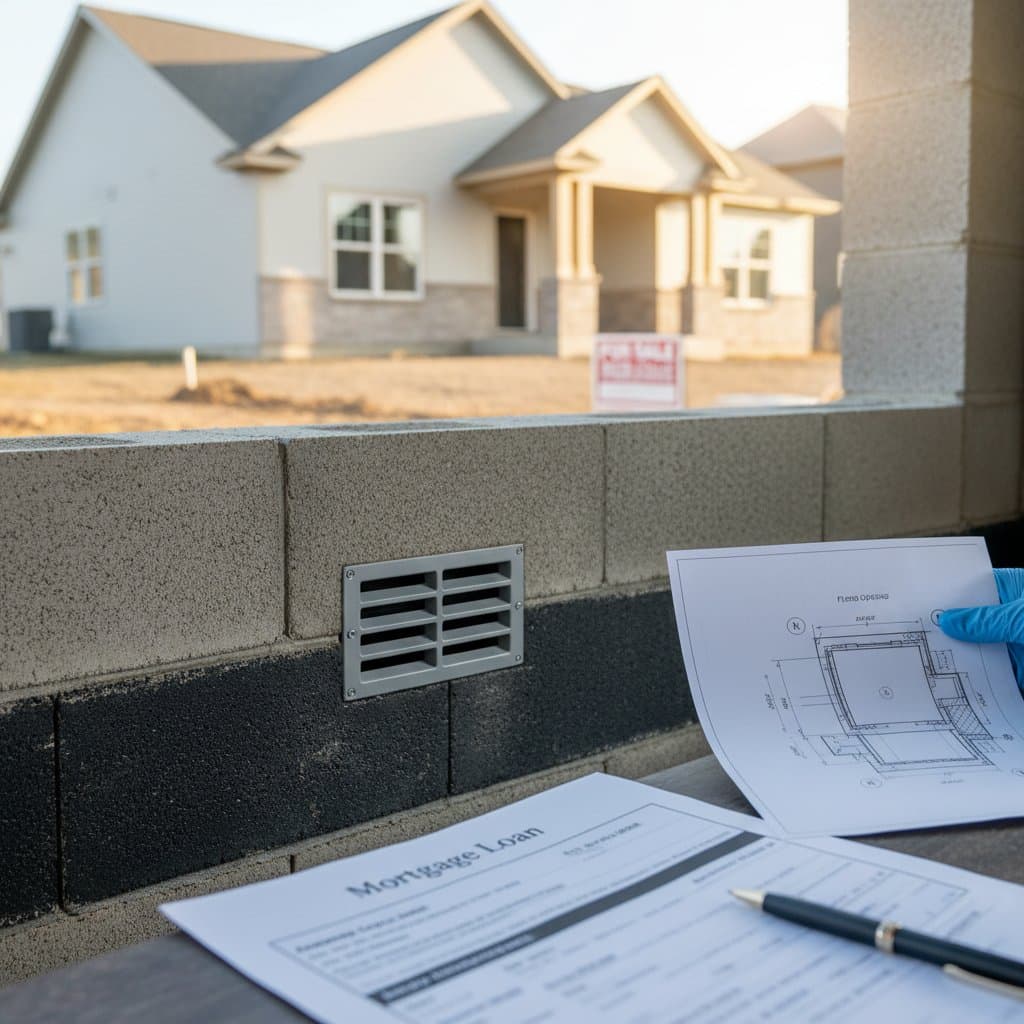
Being a homeowner near water offers scenic views and recreational opportunities, yet it also presents challenges that exceed the expectations of many first-time buyers. Flooding ranks among the leading causes of property damage in the United States, prompting lenders to implement stricter standards. These measures safeguard both homeowners and financial investments. Recent updates to mortgage guidelines mandate the installation of flood vents and wet-proofing systems for properties located in designated flood zones.
For individuals preparing to purchase or refinance a home, these regulations may initially appear daunting. Understanding the purpose of these rules and the steps required for compliance fosters confidence in creating a more secure living environment. This article provides detailed guidance on navigating these requirements effectively.
Understanding Flood Vents and Wet-Proofing Requirements
Flood vents facilitate the flow of water into and out of enclosed areas, such as crawl spaces or basements, during flood events. This process equalizes hydrostatic pressure and minimizes structural damage. Wet-proofing involves applying materials and techniques that resist water penetration, such as sealants and moisture-resistant barriers.
Lenders enforce these standards to mitigate risks associated with flood insurance claims and property devaluation. As of 2026, final mortgage approval for homes in Special Flood Hazard Areas (SFHAs) will depend on verification of compliant flood mitigation features. These rules apply to new constructions, refinances, and sales in flood-prone regions, regardless of prior installations.
To determine applicability, consult the Federal Emergency Management Agency (FEMA) flood maps or engage a local floodplain administrator. Properties in zones A, AE, or VE typically require these upgrades. Non-compliance can delay loan processing or increase insurance premiums significantly.
Identifying Applicable Properties and Initial Assessments
Not all homes face these mandates; eligibility hinges on location and structure. Homes with basements, crawl spaces, or attached garages in flood zones must incorporate flood vents. Elevated structures or those outside high-risk areas may qualify for exemptions.
Begin with a professional flood risk assessment, which costs between $300 and $600 and includes elevation certificates. These documents confirm the lowest floor elevation relative to the base flood elevation (BFE). If your home sits below the BFE, prioritize vent installation in all enclosed areas below this level.
For existing homes, review past flood insurance policies or elevation surveys. If documentation is absent, hire a surveyor to measure critical elevations accurately. This step ensures targeted improvements and avoids unnecessary expenditures.
Ongoing Maintenance and Early Detection
Compliance extends beyond initial installation; regular upkeep prevents system failures during emergencies. Schedule biannual inspections to verify functionality, especially before rainy seasons.
Key indicators of potential issues include:
- Obstructed flood vents that fail to open automatically or manually.
- Visible cracks in foundation walls or uneven settling that impairs vent alignment.
- Persistent moisture or pooling water in enclosed areas post-rainfall.
- Signs of mold, mildew, or persistent odors suggesting water intrusion.
Address problems promptly to maintain warranty coverage and insurance eligibility. Clean vents using a soft brush or compressed air to remove debris like leaves or sediment. Test mechanical components, such as automatic vent openers, by simulating water flow in controlled conditions.
Document all maintenance activities with photographs and dates. This record supports loan renewals and insurance claims, demonstrating proactive risk management.
Cost-Effective Strategies for Compliance
Budget constraints should not deter necessary upgrades; a range of solutions exists to fit various financial situations. Prioritize measures that offer the highest return on investment, such as those reducing flood insurance rates by up to 40 percent through FEMA's Community Rating System.
Affordable DIY approaches:
- Install temporary debris screens over vents to prevent blockages without permanent alterations.
- Deploy portable flood barriers or sandbags at entry points during forecasted events.
- Seal walls and floors with epoxy-based waterproof coatings, applied in thin layers for durability.
Mid-range professional options:
- Retrofit with flood-resistant materials, including pressure-treated wood framing and vinyl siding.
- Integrate a sump pump with battery backup and water level sensors for automated operation.
- Upgrade to smart monitoring systems that send alerts via mobile apps for real-time flood detection.
Comprehensive, high-value investments:
- Engineer-certified flood vents that meet National Flood Insurance Program (NFIP) standards, ensuring one square inch of venting per square foot of enclosed area.
- Raise HVAC units, electrical panels, and water heaters to at least one foot above the BFE.
- Rebuild lower-level enclosures using concrete blocks filled with hydraulic cement for enhanced water resistance.
Financing options include FEMA grants, low-interest loans from the Small Business Administration, or tax credits for energy-efficient flood-proofing materials. Consult lenders early to incorporate these costs into mortgage terms.
Practical Guidance for Homeowners
Skill Level: Suitable for beginners with basic tools; intermediate tasks require precision.
Essential Tools: Tape measure, spirit level, caulking gun, silicone-based sealant, soft-bristle brush, shop vacuum with extensions.
DIY Opportunities: Routine vent cleaning, sealant application, sump pump testing.
Professional Recommendations: Foundation reinforcement, custom vent engineering, utility elevation projects.
Cost Estimates: Basic maintenance under $100; full retrofits from $2,000 to $15,000 based on property size and zone severity.
Practical Advice: In the absence of a dedicated brush, utilize a vacuum hose fitted with a crevice tool to extract fine particles from vents safely.
Steps to Achieve Compliance
Approach these requirements systematically to avoid overwhelm. First, confirm your property's flood zone status using official maps. Next, conduct a self-inspection or hire an expert to evaluate existing features against NFIP criteria.
Develop a prioritized action plan: Address immediate needs like vent clearing within weeks, followed by structural enhancements over months. Secure quotes from three certified contractors specializing in flood mitigation to compare quality and pricing.
Integrate these efforts with broader home resilience strategies, such as landscaping with water-diverting swales or installing backflow preventers on sewer lines. Track progress with a simple checklist to celebrate milestones.
Sustaining Safety and Value
Adhering to flood vent and wet-proofing standards not only secures mortgage approval but also fortifies your home against inevitable weather risks. These proactive measures lower long-term costs, enhance marketability, and provide peace of mind. Homeowners who invest in compliance often report reduced stress during storm seasons and smoother interactions with insurers.
Continued education through local workshops or online resources from organizations like the Insurance Institute for Business & Home Safety keeps you informed of evolving standards. By maintaining these systems diligently, you preserve your property's integrity and contribute to community-wide flood resilience.