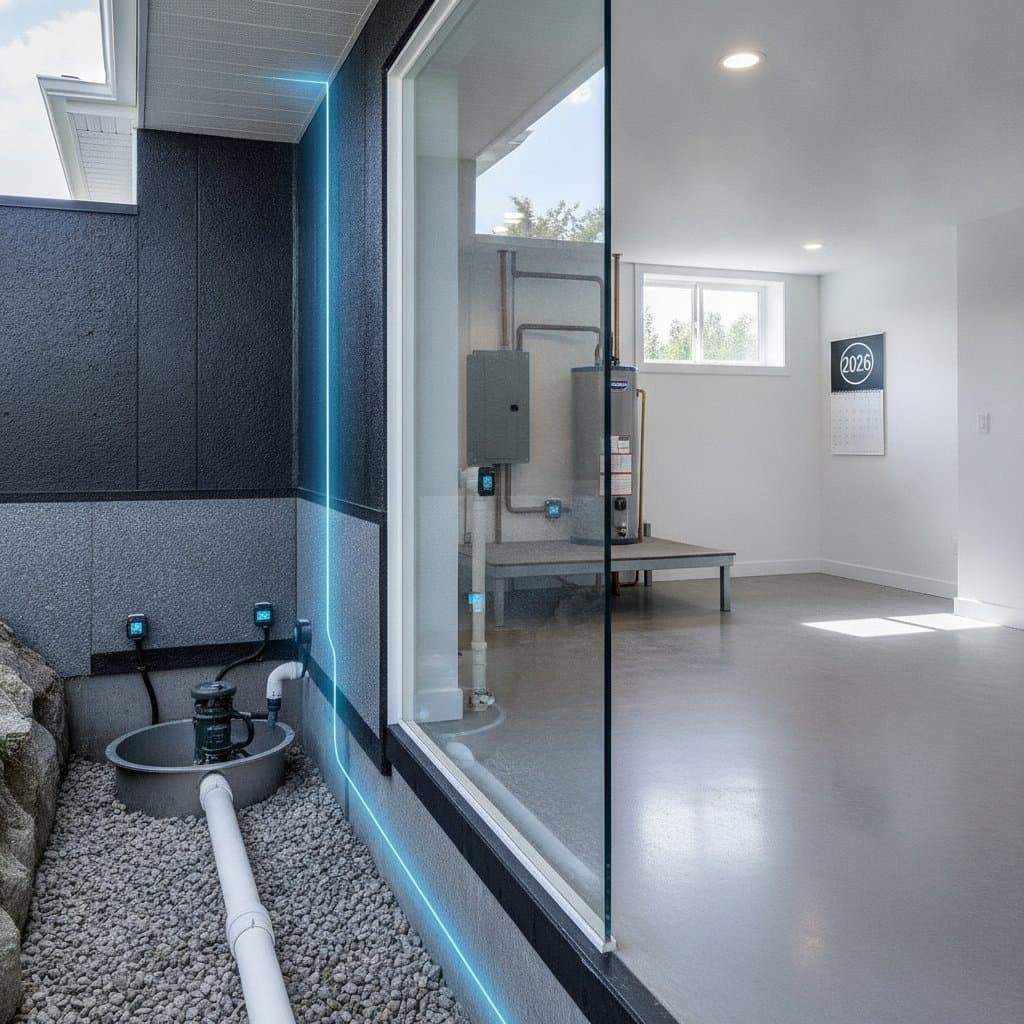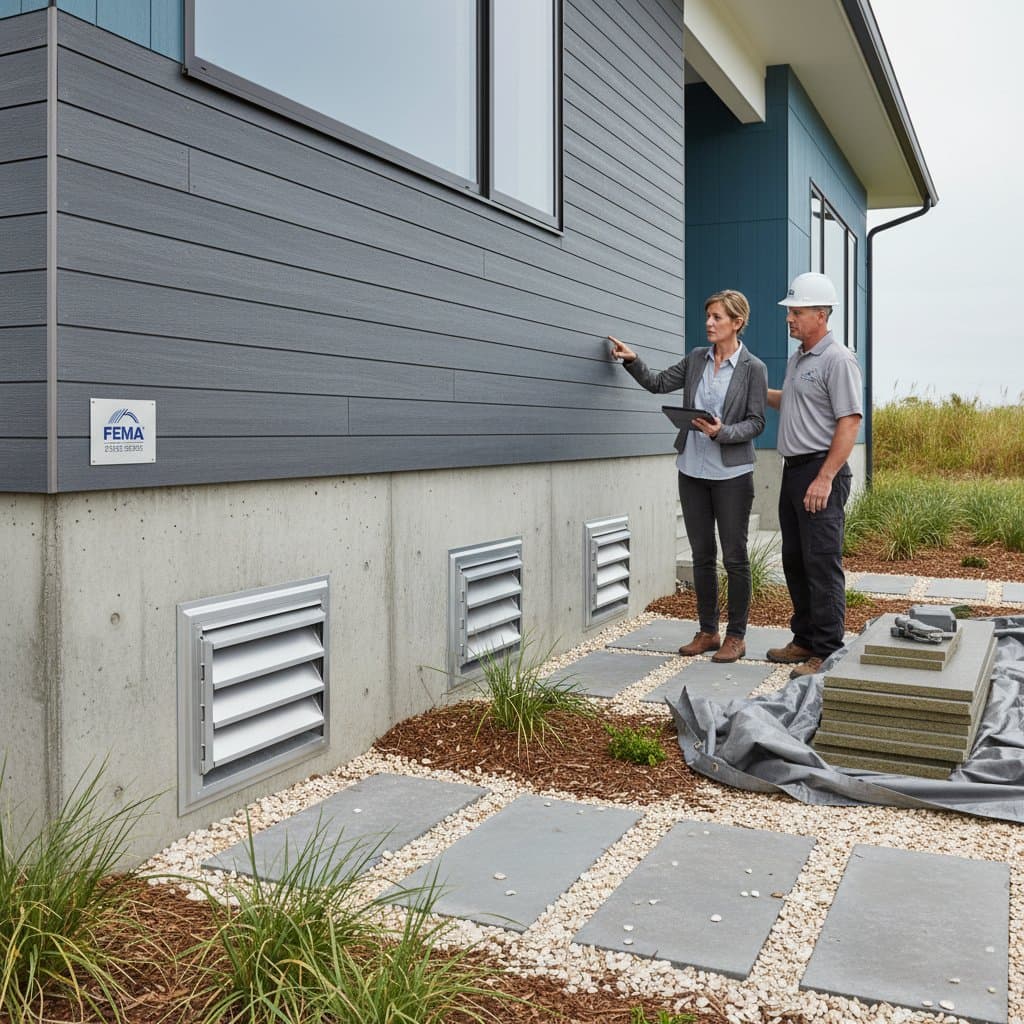
Key Takeaways
- FEMA's 2026 floodplain regulations impose stricter standards for flood vents and wet-proofing, targeting structures in high-risk flood zones to enhance resilience.
- Property owners must confirm that vents receive proper certification and installation to satisfy updated flood insurance eligibility criteria.
- Emphasis on wet-proofing shifts toward resilient materials and building methods that endure brief water submersion while preventing lasting harm.
- Compliance not only safeguards homes but also qualifies owners for potential reductions in National Flood Insurance Program premiums.
- Proactive measures, including regular inspections, help maintain eligibility and avoid costly retrofits during renovations.
The Role of Flood Vents in Flood Protection
Flood vents enable water to enter and exit enclosed areas freely, which equalizes pressure and averts structural collapse during inundation.
As floodwaters rise, they exert significant force against walls and foundations. Without adequate venting, this hydrostatic pressure creates an imbalance that may buckle or shatter building components. FEMA's evolving guidelines mandate vents designed to facilitate controlled water movement, with the 2026 revisions prioritizing units rigorously tested for reliability under various conditions.
Essential Features
- Core Function: Vents mitigate pressure buildup by permitting floodwater to flow through enclosed spaces.
- Optimal Positioning: Install vents at the base of every enclosed wall section to maximize effectiveness.
- Approval Standards: Select only vents endorsed by FEMA or evaluated by the International Code Council Evaluation Service (ICC-ES) for proven performance.
- Ongoing Upkeep: Keep vent openings free from debris and blockages throughout the year to ensure functionality.
Property owners frequently overlook the importance of precise vent dimensions. A undersized vent or one positioned above the anticipated flood elevation may prove ineffective during an event. Under the forthcoming rules, building inspectors will scrutinize vent certifications, quantities, and alignments with base flood elevations to enforce adherence.
To select the right vents, consult local building codes and consider factors such as enclosure size and local flood history. For instance, a typical 400-square-foot crawl space requires at least two vents, each providing a minimum net open area of 200 square inches. This preparation prevents common failures and supports long-term structural integrity.
Determining Compliance Requirements for Your Property
Properties located in designated floodplains or special flood hazard areas must adhere to the updated vent and wet-proofing standards.
Authorities at the local level generally incorporate FEMA's flood maps into their zoning and construction regulations. Structures in these zones face mandatory compliance during new builds, significant alterations, or insurance applications. Owners of properties beyond official flood boundaries may still adopt these practices, particularly amid changing weather patterns and urban development that alter runoff.
Application Scenarios
- New Builds: Incorporate compliant vents and wet-proofing elements during initial design and construction phases.
- Major Renovations: Projects surpassing 50 percent of the building's market value trigger full compliance with current standards.
- Insurance Processes: Renewals or new policies often involve assessments confirming adherence to venting and material guidelines.
In many regions, communities that rigorously apply FEMA's updates earn superior ratings within the National Flood Insurance Program. These enhanced ratings translate to reduced premium rates for all participating residents. Homeowners preparing for permits or coverage should review their property's flood zone designation via official FEMA resources and engage certified professionals for evaluations.
For example, elevating utilities above the base flood elevation complements venting efforts and further bolsters insurance qualifications. Early integration of these elements streamlines approvals and averts delays in construction timelines.
Avoiding Common Errors in Flood Vent Implementation
Overlooking vent certification, selecting inappropriate materials, or creating overly sealed enclosures can result in regulatory violations and heightened flood vulnerability.
Individuals sometimes presume that standard vents or basic water-repellent treatments suffice for FEMA compliance. In truth, vents require engineering for passive operation, opening automatically in response to water pressure without reliance on electricity or human action. Similarly, so-called waterproof coatings may retain moisture, fostering decay rather than promoting evaporation.
Frequent Oversights
- Obstructing Vent Access: Landscaping features or insulating materials that encroach on vents impair water passage and invalidate approvals.
- Incorporating Vulnerable Materials: Untreated wood or standard drywall in flood-prone enclosures absorbs water, leading to rot and mold proliferation.
- Neglecting Routine Checks: Accumulated sediment or rust diminishes vent performance over time, compromising safety.
- Excessive Sealing Efforts: Applying rigid barriers in anticipation of floods can amplify internal pressures when water penetrates.
The principle of flood-resistant design favors accommodation over resistance. Systems that channel water through designated paths preserve the building's core while minimizing repair needs. To sidestep these issues, document all installations with receipts and photos, facilitating future inspections and claims processing.
Consulting with flood mitigation specialists during planning phases identifies site-specific risks, such as soil type or nearby waterways, ensuring tailored solutions.
Frequently Asked Questions for Homeowners
Do existing structures require flood vent retrofits?
Retrofitting becomes necessary for older homes undergoing substantial improvements or facing recurrent flooding to sustain insurability under updated rules.
Must certified flood vents depend on electricity or manual activation?
FEMA-compliant vents function mechanically via pressure differentials, enabling seamless water ingress and egress independent of power sources.
Is wet-proofing feasible for completed basements?
Yes, transformation involves substituting moisture-absorbent finishes with resilient alternatives and incorporating drainage features to facilitate drying.
Do code-compliant vents offer aesthetic integration?
Contemporary manufacturers provide options in materials like powder-coated metal or vinyl that match exterior facades, balancing protection with visual appeal.
What is the recommended inspection frequency for flood vents?
Conduct examinations biannually and immediately following significant weather events to confirm clear passages and structural soundness.
How do these changes influence insurance premiums?
Properties meeting the 2026 standards may qualify for discounts of up to 20 percent through the Community Rating System, depending on local program participation.
Steps to Achieve and Maintain Flood Compliance
Flood resilience demands consistent effort beyond initial installations. Schedule professional assessments annually to verify system integrity and adapt to any regulatory shifts from FEMA.
For upcoming projects, prioritize consultations with architects experienced in flood-prone designs. These experts can recommend innovations like breakaway walls or elevated enclosures that exceed basic requirements. Such forward-thinking approaches not only secure insurance benefits but also enhance property value in vulnerable markets.
Ultimately, investing in compliant features yields substantial returns through damage prevention and financial safeguards, fostering confidence in your home's durability against rising waters.