Key Takeaways
- FEMA's 2026 floodplain management revisions highlight engineered flood vents and wet-proofing as critical elements for regulatory compliance and property protection.
- Structures in designated flood zones require certified venting systems and water-resistant building materials to mitigate flood-related destruction.
- Familiarity with these updated FEMA guidelines enables property owners to preserve asset worth and prevent the need for substantial future upgrades.
- Compliance not only safeguards against physical harm but also supports smoother interactions with insurers and financial institutions.
- Early assessment and implementation of these standards can yield long-term financial benefits through reduced premiums and enhanced marketability.
The Importance of Flood Vents in Flood Management
Flood vents play a vital role by equalizing hydrostatic pressure during inundation events, thereby preventing structural failures in foundations and walls.
These devices permit water to enter and exit enclosed spaces beneath raised living areas freely. Absent such mechanisms, accumulating water exerts disproportionate force, leading to cracks, shifts, or complete breaches in foundational elements. The forthcoming FEMA guidelines specify that vents must undergo engineering certification, ensuring they accommodate designated water flow rates under varying conditions.
Core Features of Effective Flood Vents
- Certification and Testing: Engineered vents surpass basic apertures because rigorous testing validates their efficacy in real-world flood scenarios.
- Automated Functionality: Systems that activate independently, without manual oversight, align with the expectation for reliable performance during emergencies.
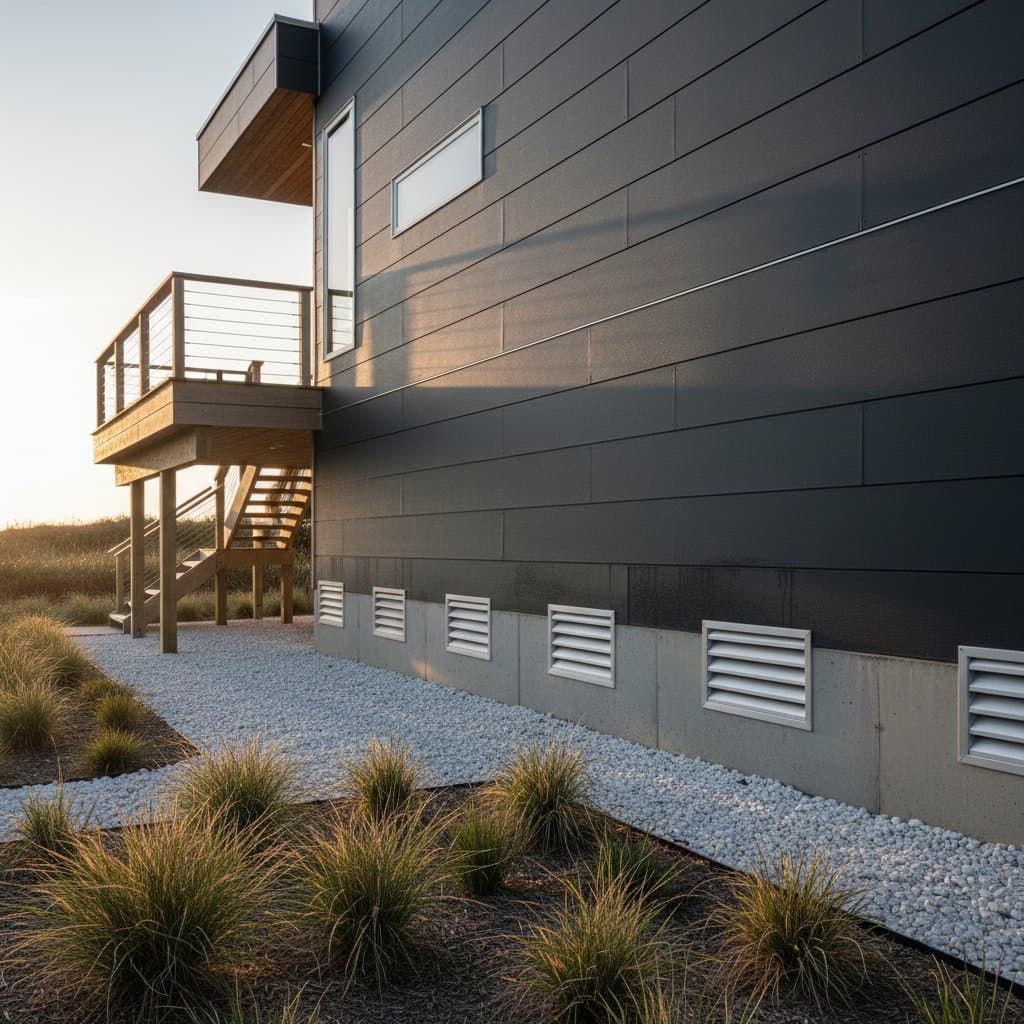
- Strategic Dimensions and Positioning: Regulations typically mandate one square inch of net open area per square foot of enclosed space, with vents positioned close to the lowest elevation to facilitate unimpeded flow.
Property owners must transition from outdated foundation grilles or improvised vents to purpose-built solutions. These advanced vents incorporate durable, non-corrosive components and designs that resist obstruction from sediment or vegetation, ensuring consistent operation.
Consider a typical residential crawlspace: installing compliant vents involves calculating the enclosed volume, selecting appropriately sized units, and securing them at the base of exterior walls. This proactive step transforms potential vulnerabilities into fortified features, directly contributing to the home's overall flood resistance.
Wet-Proofing: Building for Inevitable Exposure
Wet-proofing represents a shift from flood avoidance to resilient design, employing materials and construction methods that endure submersion without permanent harm.
Unlike dry-proofing, which seeks to repel water entirely, wet-proofing acknowledges that flooding may occur and prepares structures accordingly. This approach utilizes moisture-resistant finishes, sealants, and frameworks that facilitate drying post-event, thereby curbing issues like rot or mold proliferation. FEMA's 2026 updates integrate wet-proofing into broader floodplain strategies, particularly for non-residential enclosures and lower-level utilities.
Implementing Wet-Proofing Measures
- Material Selection: Opt for concrete blocks with solid cores or pressure-treated wood framing that withstand prolonged moisture contact.
- Utility Protection: Elevate electrical panels, HVAC units, and appliances above anticipated flood levels, or encase them in waterproof housings.
- Surface Treatments: Apply flood-grade coatings to walls and floors that allow water passage while protecting against erosion and contamination.
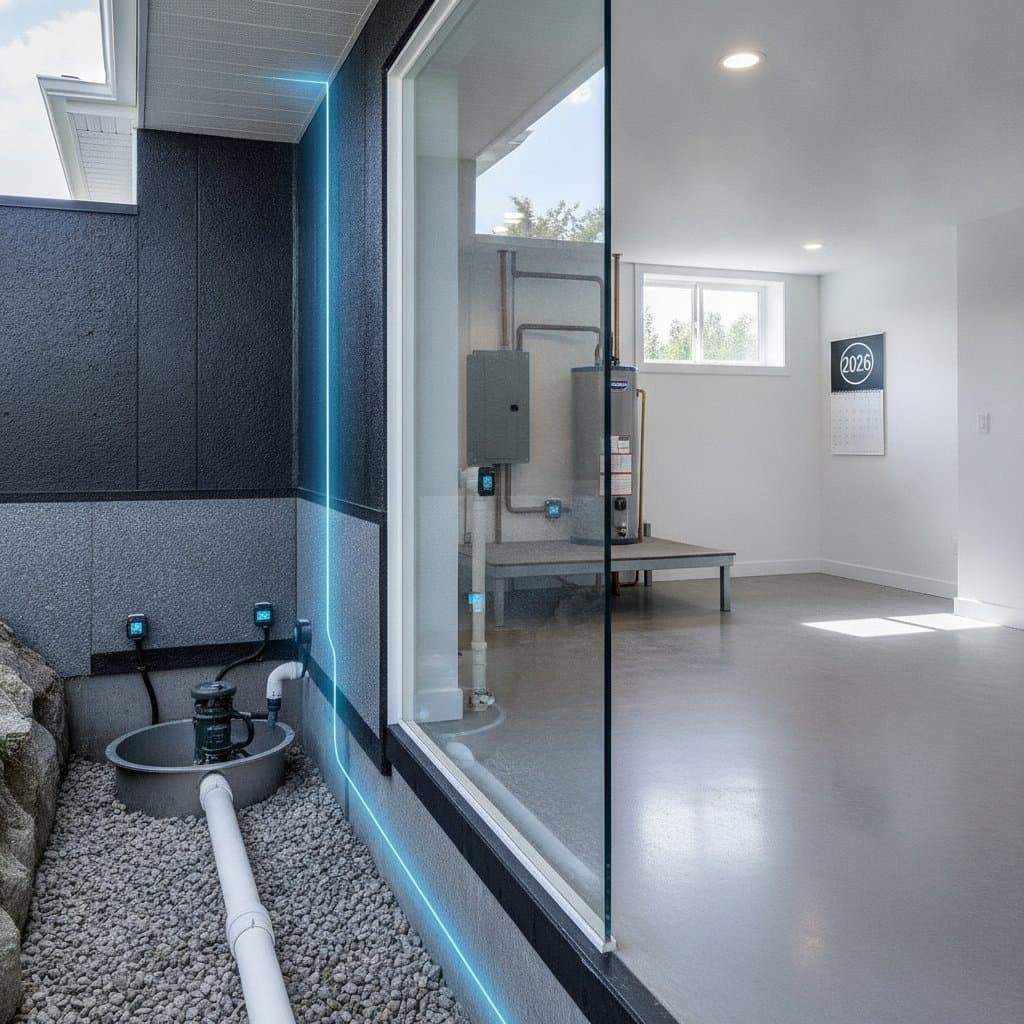
For instance, in a basement prone to occasional overflow, replacing drywall with water-resistant alternatives and installing sump pumps integrated with venting systems creates a layered defense. These enhancements ensure that even after exposure, the space returns to usability with minimal intervention, preserving both functionality and aesthetics.
Assessing Compliance for Your Property
To determine if your home aligns with impending FEMA standards, begin by confirming its flood zone classification through official maps or local authorities.
Properties in zones such as A, AE, or AO face elevated scrutiny regarding venting and wet-proofing. Proceed to a thorough examination of sub-floor areas, including basements, garages, or crawlspaces, focusing on existing openings and material conditions.
Step-by-Step Compliance Evaluation
- Inventory Existing Vents: Tally the number and dimensions of all vents along perimeter walls, ensuring coverage meets area-based ratios.
- Inspect Accessibility: Confirm that vents sit at or near grade level and remain free from obstructions like landscaping or storage items.
- Evaluate Material Durability: Check for signs of water vulnerability in finishes, insulation, and structural components within enclosed zones.
- Document Findings: Capture images and measurements of key features to support insurance claims or permit applications.
- Engage Professionals: Collaborate with certified engineers or municipal inspectors to validate setups and recommend adjustments.
- Review Certifications: Gather and organize documentation from vent manufacturers proving adherence to FEMA-approved performance criteria.
This systematic review not only identifies gaps but also informs targeted improvements. For elevated homes on fill or slabs, the process might emphasize perimeter drainage over vents, tailoring efforts to site-specific risks.
Addressing Frequent Concerns from Property Owners
Does an elevated home on piers require flood vents?
In most cases, no. Freely flowing water beneath pier foundations eliminates the need for enclosed venting, though confirming zone-specific rules remains advisable.
Is self-installation of vents feasible?
Yes, provided adherence to product guidelines and jurisdiction codes. Proper elevation and distribution ensure vents contribute effectively to pressure relief.
What exactly constitutes wet-proofing?
It involves selecting components that tolerate wetting and subsequent drying cycles. Overly impermeable barriers can instead foster trapped humidity and biological growth.
How might these regulations influence property sales?
Significantly. Prospective buyers and appraisers favor documented compliance, which can expedite financing and appeal to risk-averse markets in flood-vulnerable regions.
What costs are associated with upgrades?
Initial outlays vary by home size, from several hundred dollars for vents to thousands for comprehensive wet-proofing. Offsets include insurance discounts and elevated resale potential.
Securing Long-Term Resilience
Integrating FEMA's 2026 flood provisions into your property equips it to endure environmental challenges with greater assurance.
Whether undertaking renovations or new construction, prioritizing certified vents and resilient materials fortifies against both immediate threats and regulatory shifts. This investment translates to tangible outcomes: diminished disruption from floods, sustained structural health, and bolstered financial security. Property owners who act decisively position themselves for a future where preparedness defines stability.