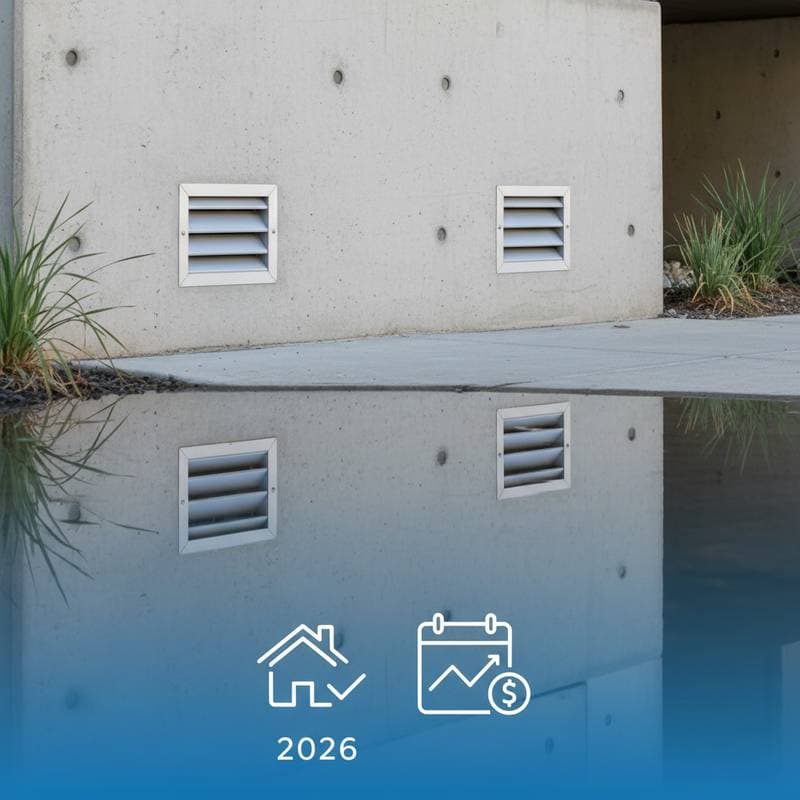
Save on Flood Insurance with 2026 Vent Rules
Homeowners in flood-prone areas often face escalating insurance premiums that strain budgets. Federal flood vent compliance rules scheduled for 2026 offer a pathway to relief. Upgrading to FEMA-compliant flood vents reduces flood risk, secures favorable insurance ratings, and safeguards foundations against expensive damage. Homeowners benefit by grasping these standards and applying them strategically to achieve financial gains.
Why New Flood Vent Rules Matter for Homeowners
The 2026 flood vent rules form part of FEMA's comprehensive update aimed at enhancing flood resilience in residential buildings situated below the base flood elevation. These standards specify exact criteria for vent dimensions, positioning, and certification. Compliance links directly to NFIP rating factors, influencing insurance premiums substantially.
Properties without certified openings in foundations or enclosed spaces below the base flood elevation receive higher-risk classifications from insurers. Such ratings result in annual premiums that rise by hundreds or thousands of dollars. Certified vents permit floodwaters to pass through enclosed areas without generating pressure on foundation walls. This equalization averts structural failures and unlocks reduced insurance rates under the updated regulations.
What Increases or Decreases Your Total Investment
Project expenses vary based on specific property conditions and choices. Awareness of these elements enables informed budgeting and decision-making.
Cost Increasers:
- Noncompliant foundations, such as sealed crawlspaces, necessitate creating new openings or installing flood-resistant louvers.
- Custom vent configurations for uneven foundation walls elevate expenses by 20 percent or higher.
- Permitting requirements in certain areas demand inspections or engineering assessments, contributing $100 to $400 in fees.
Cost Reducers:
- Performing preliminary tasks like masonry cutting or sealing independently cuts labor costs by $200 to $400.
- Purchasing vents in quantity secures discounts ranging from 10 to 15 percent.
- Participation in local flood mitigation initiatives provides reimbursements upon submission of installation evidence.
DIY vs Professional Installation
When DIY Makes Sense
Individuals with foundational skills in masonry or carpentry may manage vent installations independently under suitable conditions.
Consider DIY if the foundation remains accessible and structurally sound, and if pre-certified vents include straightforward guidelines. Projects involving two to four vents typically require 4 to 6 hours. Essential tools encompass a masonry saw, leveling instruments, waterproof sealant, and protective gear. Material expenses for DIY efforts average $250 to $500.
When to Hire a Professional
Professional services prove essential in scenarios involving elevated risks or regulatory demands.
Opt for experts when the property lies below the base flood elevation, when codes mandate inspections or certifications, or when structural alterations become necessary. Qualified contractors finish installations within one day and ensure adherence to codes. They furnish documentation vital for insurance adjustments and FEMA validation.
Safety Warning: Incorrect cutting or sealing compromises foundation integrity. Engage professionals upon observing cracks, water penetration, or deteriorating concrete.
Insurance Rate Impacts You Can Expect
Insurers determine flood premiums through elements like flood zone, elevation above base flood level, and implemented safeguards such as vents. The 2026 rules amplify the significance of vent compliance in these calculations.
With Noncompliant or Missing Vents
- Annual premiums range from $1,600 to $3,000.
- Foundations receive designations as enclosed with elevated flood risk.
- Eligibility for preferred-risk pricing diminishes.
With Certified Flood Vents Installed
- Annual premiums fall to $1,000 to $2,200.
- Properties attain superior rating classifications.
- Credits for documented mitigation apply directly.
Investments in vents often recoup costs in 2 to 4 years via premium reductions. In coastal high-risk zones, payback periods shorten considerably.
Preparing for Inspection and Documentation
Thorough preparation streamlines reviews by insurers or local authorities.
Assemble an updated Elevation Certificate incorporating vent specifications, photographs depicting vent locations and labels, and manufacturer receipts with model details. Contractors may provide a compliance letter to address any inconsistencies. This paperwork expedites policy evaluations and confirms applicable credits.
ROI and Long-Term Protection
Benefits surpass short-term savings to encompass enduring security.
Properties equipped with compliant vents suffer less structural harm and recover more swiftly from floods. Post-flood foundation repairs demand $15,000 to $40,000, expenses that vents help avoid. Insurers acknowledge lowered risks through sustained premium discounts and relaxed policy terms.
During property sales, verified upgrades enhance appeal, potentially lifting values by 2 to 5 percent in flood-designated areas.
Making It Happen
FEMA-compliant flood vents represent an efficient strategy for flood defense. Begin by examining crawlspaces or enclosed foundation zones for current vent dimensions, compositions, and positions. Consult a licensed contractor or inspector versed in 2026 FEMA standards.
Obtain three quotes to evaluate project scopes and costs, specifying needs for certification, warranties, and paperwork. Reputable providers incorporate compliance verification into their offerings.
Secure three free quotes from local contractors to gauge area-specific pricing and timelines.
Following installation, forward documents to the insurer and floodplain administrator. At policy renewal, verify that premiums reflect the enhanced risk profile.
Long-Term Benefits
Flood vent enhancements yield tangible outcomes in risk reduction, cost savings, and marketability.
Routine maintenance involves clearing debris, biannual inspections, and post-storm cleanups of sediment or foliage. Proper care extends vent longevity for decades, sustaining protection for structures and finances.