Renovation Planning Checklists

Renovation Planning Checklists - Page 4

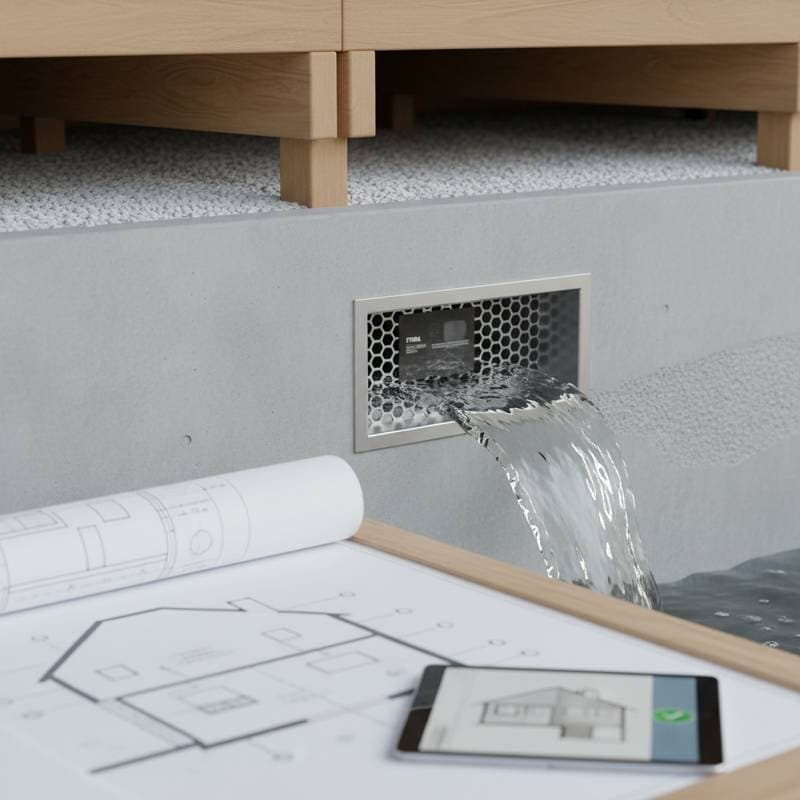
Why Flood Vents Are Now Required by FEMA in 2026

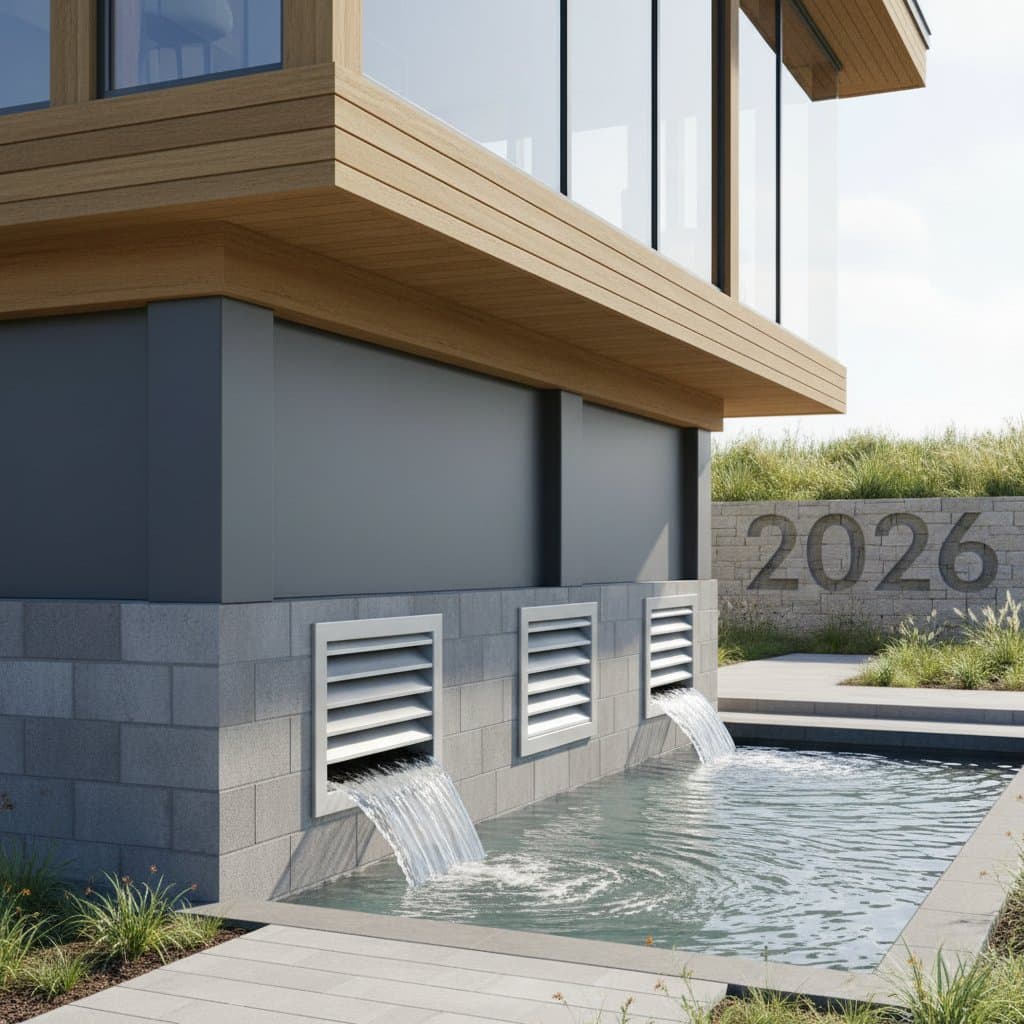
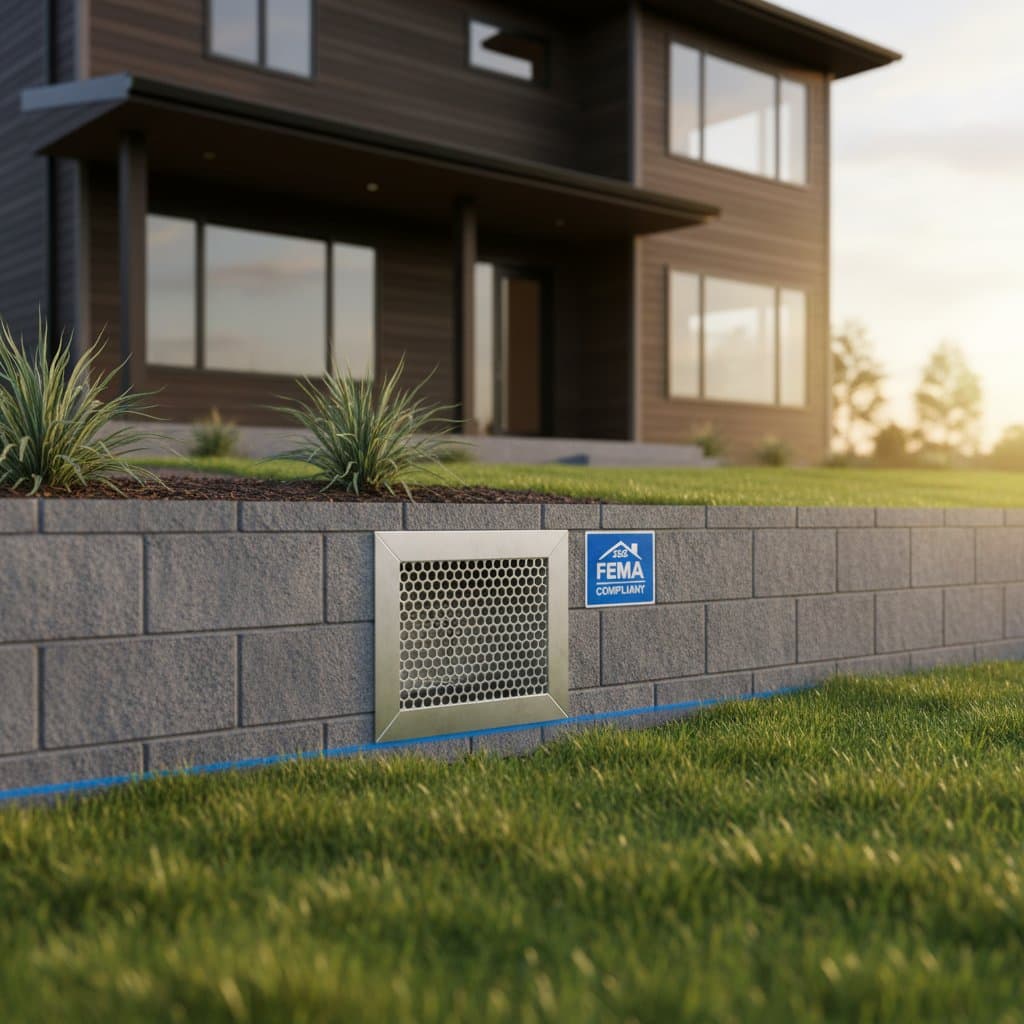
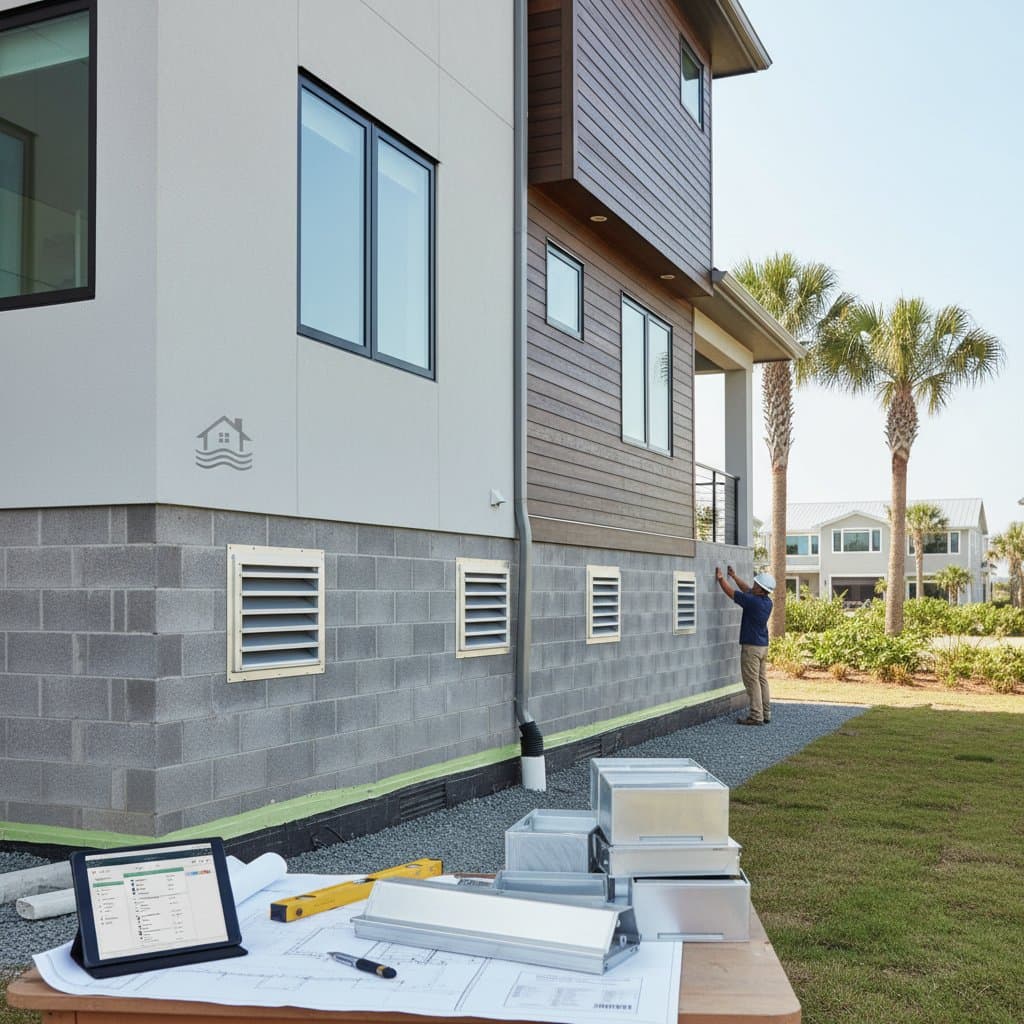
FEMA introduces mandatory flood vents for 2026 in designated flood zones to elevate home resilience. These specialized openings allow water to flow through foundations, minimizing structural damage and supporting lower insurance rates. Proper selection, installation by experts, and routine maintenance ensure your home adheres to standards while providing enduring protection against escalating flood threats.

5 min read
By Becca Roberts

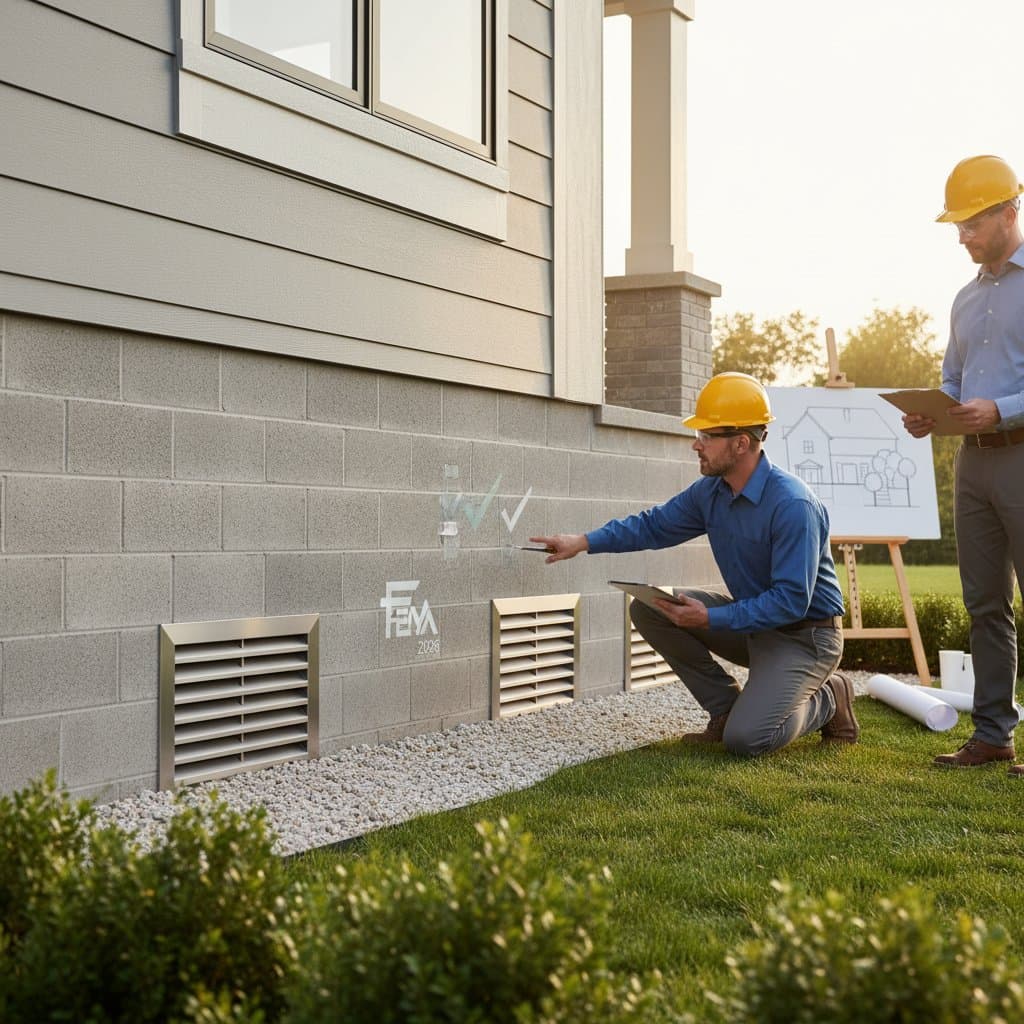
FEMA Flood Vents Cut My Insurance 15 Percent

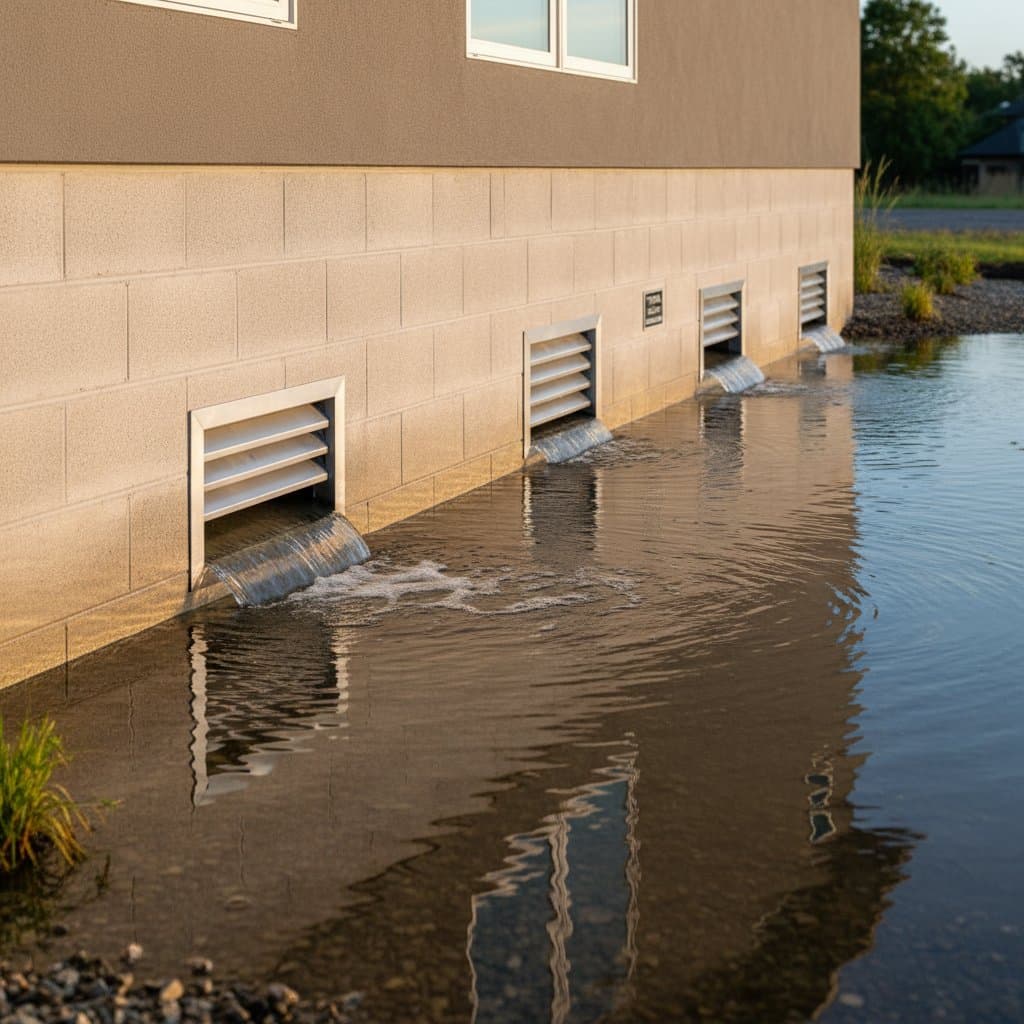
The 2026 FEMA flood code updates introduce stricter requirements for flood vents, wet-proofing, and foundation designs. Homeowners in flood-prone areas must address compliance to avoid higher costs and insurance risks. Upgrading to certified flood vents and moisture-resistant materials can improve safety, cut premiums by up to 15 percent, and preserve property value ahead of the changes.

4 min read
By Stacy Cadri

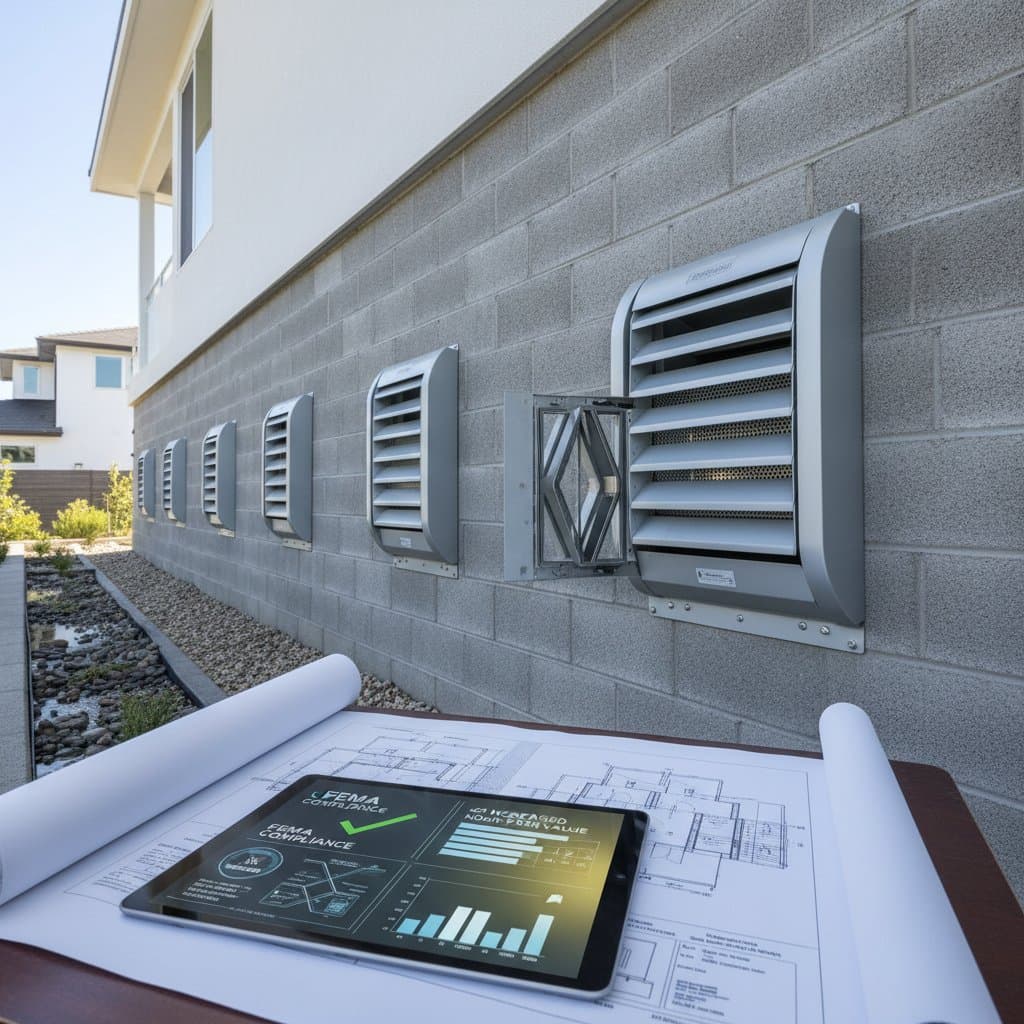
FEMA's 2026 Flood Vent Rules Change Compliance

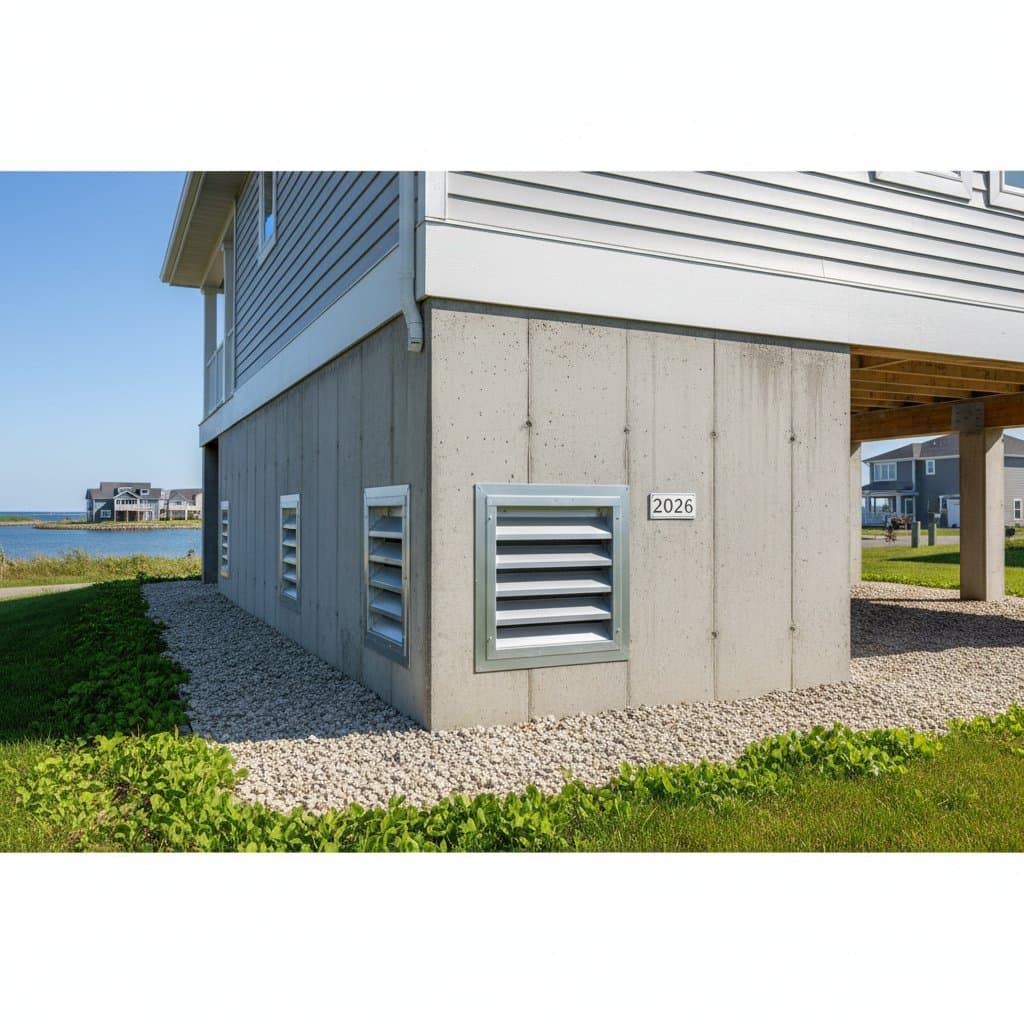
FEMA's 2026 flood vent standards elevate requirements for automatic, certified vents that equalize hydrostatic pressure and reduce structural flood damage. Homeowners in designated flood zones must address compliance to avoid higher insurance costs and ensure property resilience. Key details on placement, materials, and upgrades provide practical guidance for effective implementation.

4 min read
By Katlyn Polino

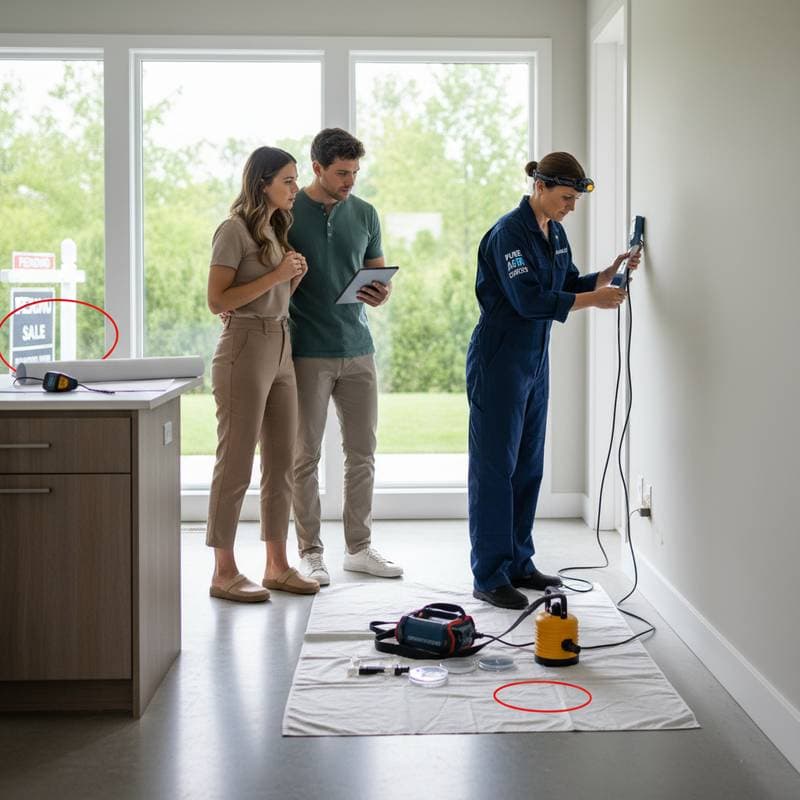
Rebuild Smart to Stop Mold Before It Starts

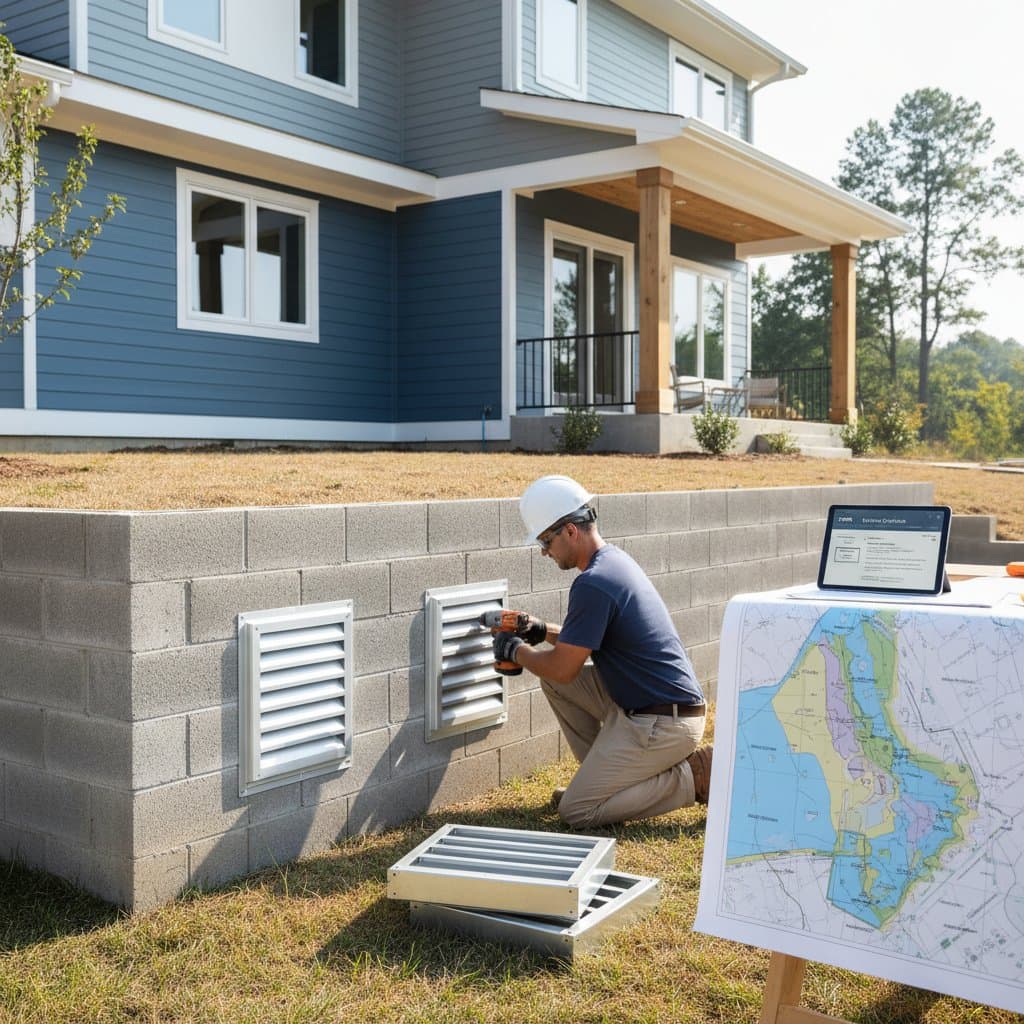
Rebuilding after a flood requires more than restoration; it demands proactive choices to prevent mold and water damage. Select water-resistant materials such as cement board, closed-cell insulation, and waterproof flooring to enhance durability, reduce energy costs, and lower insurance premiums for long-term protection.

5 min read
By Stacy Cadri