Achieve 60 Percent Faster Home Permits with AI in 2026
Homeowners often face extended waits for permit approvals that halt renovation progress. Materials accumulate in storage, contractors adjust schedules, and frustration builds as projects stall. AI-driven automation now addresses these delays by transforming municipal permit processes, enabling approvals in days rather than weeks.
Reasons for Permit Delays
Manual permit reviews rely on city officials to examine drawings, verify zoning rules, and ensure code adherence. In high-volume areas, application backlogs extend processing from two weeks to two months. Each required revision introduces additional waits, increasing expenses for storage, rescheduling, and disrupted timelines.
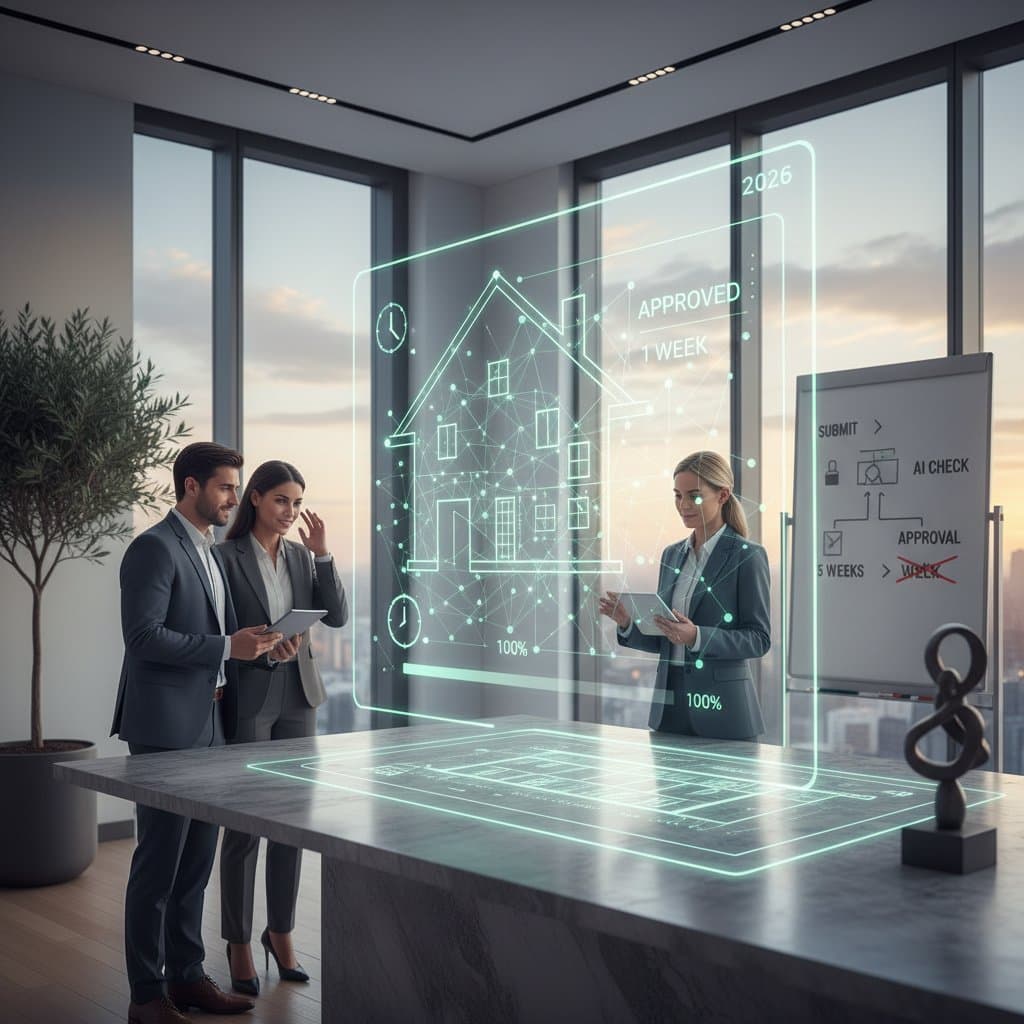
A typical kitchen renovation permit once required five weeks due to review overloads, not design issues. AI systems eliminate such bottlenecks by instantly analyzing digital plans and identifying code discrepancies prior to human evaluation. This approach yields submissions that require minimal adjustments and advance rapidly to approval.
Mechanisms of AI in Permit Acceleration
AI platforms process digital blueprints with the precision of expert reviewers, free from fatigue or queues. These systems cross-reference plans against extensive local code databases to detect errors early. Potential problems that previously prompted returns now receive pre-submission alerts.
Consider a standard AI-supported workflow:
- Upload design files to the platform.
- Receive automated verification of zoning, setbacks, and structural elements.
- Address any highlighted concerns or omissions.
- Submit the refined package via the city portal.
- Proceed to brief human oversight for endorsement.
This layered method reduces denials, communication loops, and overall timelines. Jurisdictions implementing AI report turnaround speeds up to 60 percent greater than traditional manual processes.
Financial Implications for Homeowners
Many AI services integrate with municipal systems or operate as standalone tools from third-party providers. Fees depend on location and project scale; the following outlines common charges:
- Digital Review Charge: 100 to 500 dollars, scaled by project area
- AI Platform Access: 150 to 600 dollars per application
- Municipal Permit Cost: 300 to 2,000 dollars, tied to valuation and scope
- Professional Assistance Option: 200 to 800 dollars for intricate plans
The added expense of AI typically proves negligible against savings from averted delays. A single two-week postponement often exceeds automation costs through idle labor and material holding fees.
Framework for Deciding on Self-Management or Professional Aid
Homeowners may handle permits independently for straightforward tasks. Such approaches suit minor additions, yet larger undertakings demand expert input to avoid pitfalls.
Suitable for Independent Handling:
- Freestanding sheds within size regulations
- Basic interior updates without load alterations
- Roof replacements or window installations
Recommend Professional Involvement When:
- Expanding living space or modifying support structures
- Involving electrical or plumbing modifications
- Navigating platforms that demand specific file specifications
Design professionals routinely employ AI tools and excel at resolving automated flags efficiently. Engaging them prevents prolonged submissions and secures timely progress.
Strategies for Optimal Submission Timing
Permit departments encounter surges during prime construction periods. Applications filed in early year phases or late autumn tend to process more swiftly. AI adoption further prioritizes digital entries in processing lines.
With variable material and labor pricing, align permit efforts with contractor readiness. Planning submissions six weeks ahead of construction commencement provides a buffer. AI efficiencies compress this to three or four weeks, offering adaptability for unforeseen changes in weather or supplies.
Essential Role of Safety and Regulatory Adherence
While AI verifies initial compliance, it cannot substitute for on-site inspections by qualified personnel. Construction integrity depends on verified methods, quality materials, and thorough examinations.
Verify the following at every stage:
- Engineer approval for any structural modifications
- Conformance of electrical setups to regional standards
- Pre-enclosure inspections for gas lines and plumbing
Overlooking these measures risks expensive fixes or inspection failures. AI streamlines documentation, but actual work must align with established codes.
Returns on Investment and Property Value Effects
Expedited permits directly lower expenses and enhance project returns. Front-loaded time savings cut carrying costs and maintain workforce efficiency. Completed renovations begin delivering benefits earlier.
A two-month kitchen delay might erode 5 to 10 percent of anticipated value via escalated inputs. Swift approvals reclaim these efficiencies. Property flippers and rental operators see amplified gains, though all owners appreciate the reliability.
Sustainable or energy-saving initiatives processed via AI may access rebates. Such programs recoup initial outlays and yield enduring utility reductions.
Key Questions for Evaluating AI Permit Services
Prior to platform use, consult local authorities or advisors on these aspects:
- Does the building department endorse the service?
- Does AI precede mandatory human assessment?
- How frequently does the system update for code changes?
- What protocols address AI detection errors?
- Does the platform provide real-time tracking and alerts?
Steps to Implement AI-Assisted Permitting
Incorporate AI into future remodel schedules by investigating municipal digital capabilities or preparatory third-party services. These ensure submissions meet requirements from the outset.
One bathroom expansion achieved ten-day approval through AI review, eliminating documentation gaps and iterative fixes. To transition from administrative hurdles to efficient outcomes, examine your area's online permit resources today. This technology delivers tangible progress now.