Understanding FEMA's 2026 Flood Vent Mandate
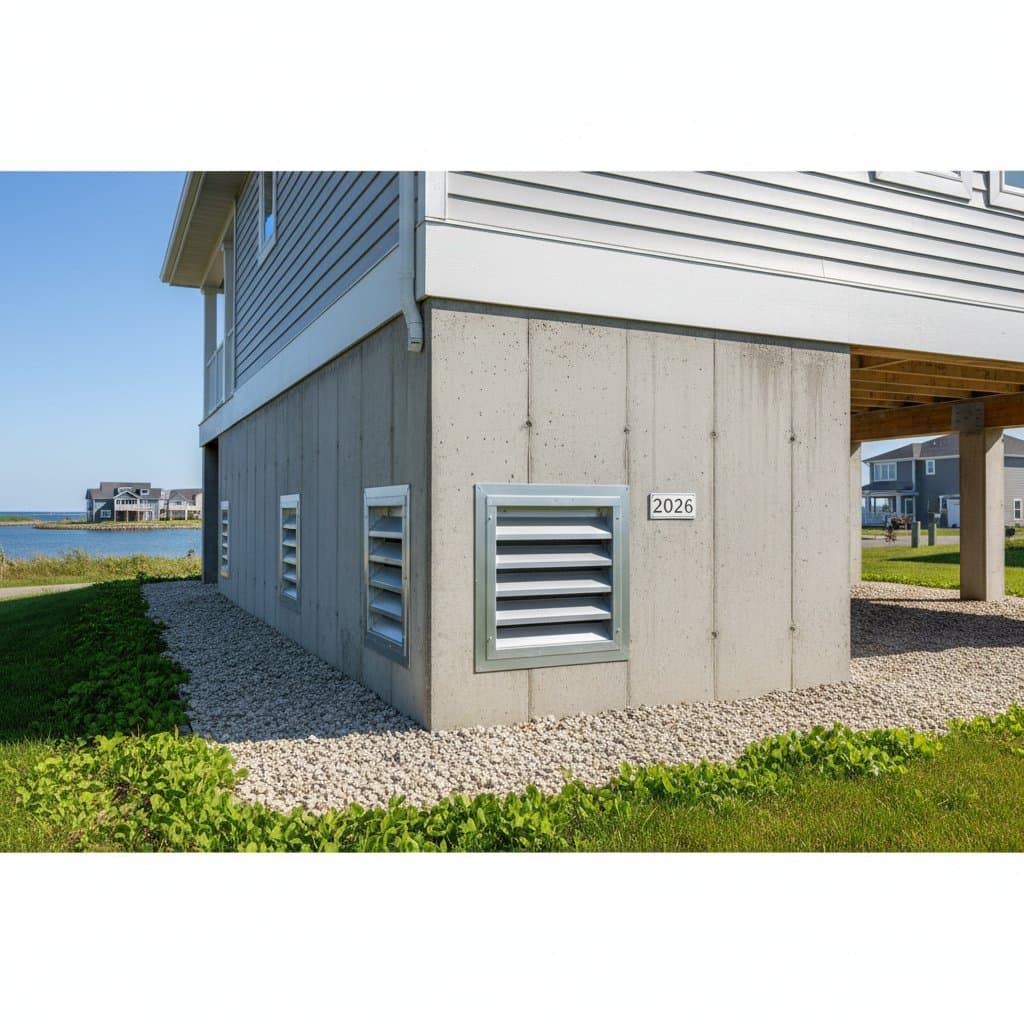
Flood vents represent engineered openings in a home's foundation walls designed to permit floodwater entry and exit. This mechanism equalizes hydrostatic pressure during inundation events, preventing the collapse or severe damage to foundational elements. As of 2026, the Federal Emergency Management Agency requires these vents for all new constructions and substantial improvements in Special Flood Hazard Areas to align with updated National Flood Insurance Program guidelines.
The mandate stems from increasing flood frequency driven by climate patterns and urban development. Homes without such vents face heightened risks of foundation failure, which can lead to extensive repairs costing tens of thousands of dollars. Compliance not only safeguards structural integrity but also qualifies properties for flood insurance discounts, often ranging from 10 to 20 percent on premiums.
Selecting the appropriate flood vent involves evaluating factors like foundation type, local elevation requirements, and expected water velocity. Engineered models certified by the International Code Council must feature at least two openings totaling 200 square inches of net area per 100 linear feet of enclosed wall. Mechanical vents that automatically open during floods offer advanced protection compared to passive designs, though they require power sources or batteries for reliability.
Benefits of Compliant Flood Vents
Beyond meeting regulatory demands, flood vents deliver tangible advantages for homeowners. Insurance providers recognize these installations as proactive risk mitigation, resulting in premium reductions that accumulate significant savings over the policy term. For instance, a typical annual premium of $1,200 might decrease by $120 to $240, depending on the insurer and location.
These vents also enhance property value during resale. Prospective buyers and appraisers view compliance favorably, avoiding potential fines or remediation costs that could deter offers. In flood-prone regions, such upgrades signal foresight and resilience, appealing to environmentally conscious markets.
Environmentally, flood vents reduce the overall impact of flooding by allowing natural water flow, which lessens erosion around foundations and preserves surrounding ecosystems. Homeowners contribute to broader community flood management efforts, aligning personal investments with regional sustainability goals.
DIY Versus Professional Installation
While basic maintenance tasks fall within homeowner capabilities, full installation demands precision to satisfy FEMA specifications and building codes. Incorrect sizing, elevation, or sealing compromises the system's effectiveness and may invalidate insurance coverage.
Tasks Suitable for Homeowners
Homeowners can handle preparatory and ongoing care to support vent performance:
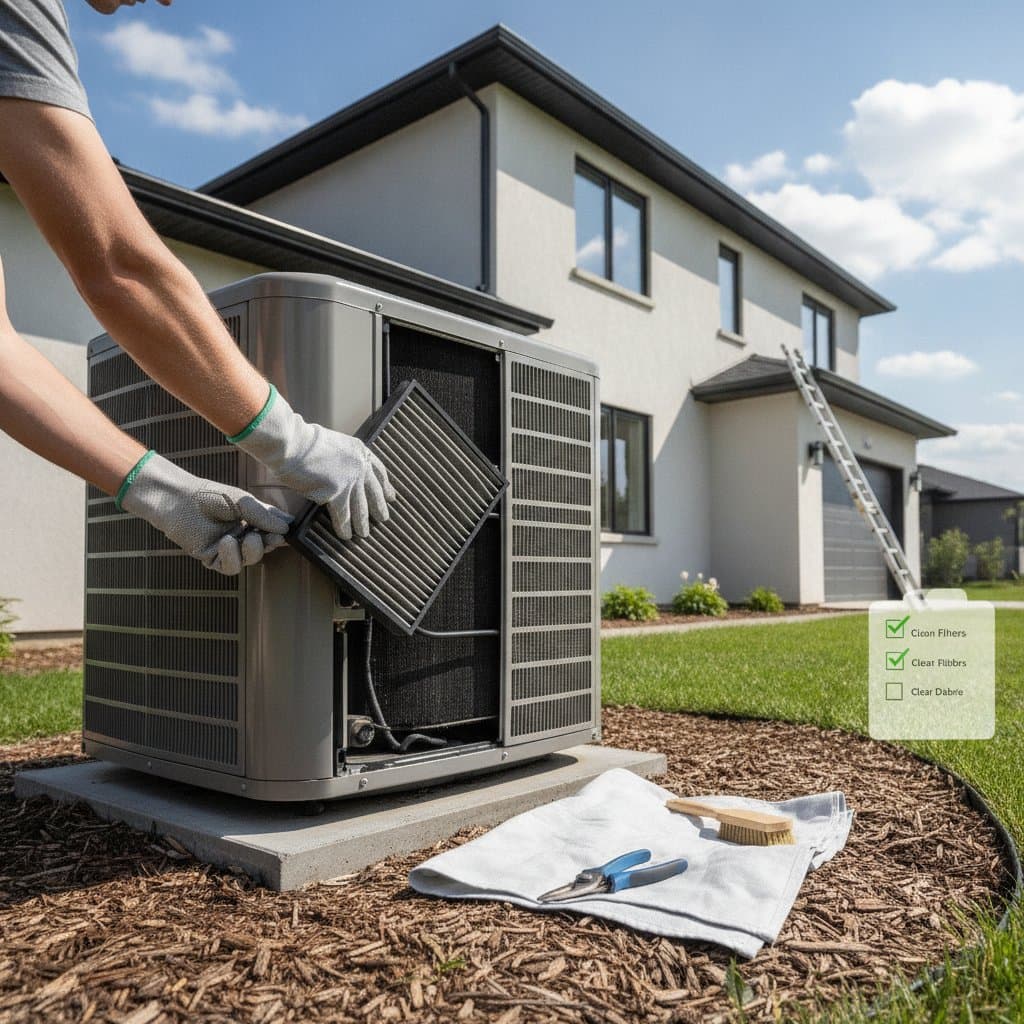
- Clear accumulated debris, sediment, or vegetation from vent areas to prevent blockages.
- Conduct annual visual inspections for signs of corrosion, warping, or mechanical failure.
- Apply protective coatings or sealants to metal components exposed to moisture, following manufacturer guidelines.
These steps require minimal tools, such as a flashlight, wire brush, and sealant kit, and typically take under an hour per session.
Responsibilities of Professionals
Licensed contractors possess the expertise and equipment for core installation work:
- Measure and mark foundation walls for openings that align with base flood elevation data from local floodplain maps.
- Use specialized saws to create precise cuts, ensuring structural stability through reinforcement where necessary.
- Install vents with secure framing, weatherproof seals, and operational testing to confirm flood response.
Professionals also prepare and submit elevation certificates and compliance forms to authorities, streamlining permit processes. Engaging a contractor certified in flood-resistant construction guarantees adherence to both federal and municipal standards, minimizing errors that could arise from inexperience.
Strategies for Long-Term Maintenance
Once installed, flood vents demand straightforward care to sustain functionality amid environmental stresses. Seasonal checks prove essential in areas with heavy rainfall or coastal exposure, where salt or silt accelerates wear.
Begin with exterior assessments after major storms: remove mud buildup using a hose and soft brush, avoiding high-pressure methods that damage seals. Interior monitoring involves verifying that no water pooling occurs post-flood, which might indicate alignment issues.
Document all maintenance activities, including dates, observations, and replacements, in a dedicated file. Retain original installation records, vent specifications, and certification labels, as insurers or inspectors frequently request this evidence during audits or claims.
For mechanical vents, test activation mechanisms biannually by simulating water contact or using diagnostic tools provided by the manufacturer. Battery replacements or sensor cleanings ensure reliability without professional intervention in most cases.
Steps to Achieve Compliance
Homeowners in flood zones must prioritize assessment and implementation to meet the 2026 deadline. Start by consulting official FEMA resources or local building departments to confirm your property's hazard designation and specific requirements.
Engage a qualified professional for a site evaluation, which includes reviewing foundation plans and recommending vent configurations tailored to your home's design. Budget for installation costs, typically $200 to $500 per vent, plus labor, as these investments yield returns through insurance savings and risk reduction.
Prepare ahead of peak flood seasons by integrating vents into broader resilience plans, such as elevating utilities or landscaping for water diversion. This comprehensive approach fortifies your home against current and future threats, ensuring safety for occupants and financial stability for years ahead.