Understanding FEMA Flood Vent and Wet-Proofing Standards
Homes in flood-prone regions demand meticulous preparation. A homeowner in coastal North Carolina shared that prior to renovation, persistent moisture turned their crawl space into a damp trap, fostering mildew and structural weakness. Adopting FEMA's flood vent and wet-proofing standards transformed that vulnerability into strength.
These regulations influence water dynamics, structural integrity, and long-term maintenance. Builders and owners who apply them during construction or upgrades protect against severe storm impacts while optimizing insurance rates.
Risks Posed by Sealed Foundations
Traditional designs often sealed crawl spaces and foundations to block water entirely. Such approaches treat barriers as impenetrable shields, yet water inevitably infiltrates during heavy events.
Trapped moisture generates hydrostatic pressure, which cracks walls and destabilizes supports. Over time, this leads to softened timber elements, saturated insulation, and deteriorating indoor environments. Recognize these issues early to avoid escalating repairs.
Core FEMA Requirements for Flood Vents
FEMA emphasizes accurate installation to equalize pressures and facilitate water passage. Below are the primary criteria for compliance.
- Pressure Equalization: Enclosed areas below the base flood elevation require openings for unrestricted floodwater entry and exit, averting wall failure from pressure differentials.
- Strategic Placement: Position openings on at least two opposing walls per enclosed space to promote balanced flow.
- Sizing Specifications: Provide a total net open area of one square inch per square foot of the enclosed floor area.
- Automatic Functionality: Select vents that activate without manual effort; avoid designs with screens or covers that impede water movement.
- Height Limitations: Place the lowest edge of openings no more than one foot above the surrounding ground level.
Proper adherence ensures structures endure floods with reduced structural harm and quicker restoration.
Integrating Wet-Proofing into Design
Combining flood vents with wet-proofing creates robust, aesthetically pleasing outcomes. Focus on elements that withstand submersion and simplify recovery.
- Elevate Critical Systems: Relocate heating, ventilation, air conditioning units, and electrical components to levels above anticipated flood heights.
- Select Resilient Surfaces: Install tile or sealed concrete floors that resist water damage and support straightforward cleaning.
- Incorporate Access Features: Add removable panels or baseboards in lower levels to enable thorough drying and inspection.
- Opt for Protected Storage: Employ waterproof containers or elevated shelving for items in below-grade areas.
These modifications lower restoration expenses and streamline post-flood efforts.
Budgeting for Flood-Resistant Upgrades
Flood vent options range from basic plastic models to durable stainless steel units, typically costing two hundred to five hundred dollars each. Choose certified products that align with FEMA criteria for reliability.
Wet-proofing expenses vary by scope, including enhanced barriers, moisture-resistant insulation, and improved drainage systems. Incorporate these during existing projects to minimize overall outlays compared to standalone retrofits.
Building Long-Term Flood Resilience
Compliance with FEMA standards yields ongoing advantages, including enhanced durability and environmental harmony. Homes equipped this way maintain superior air circulation and withstand weather extremes effectively.
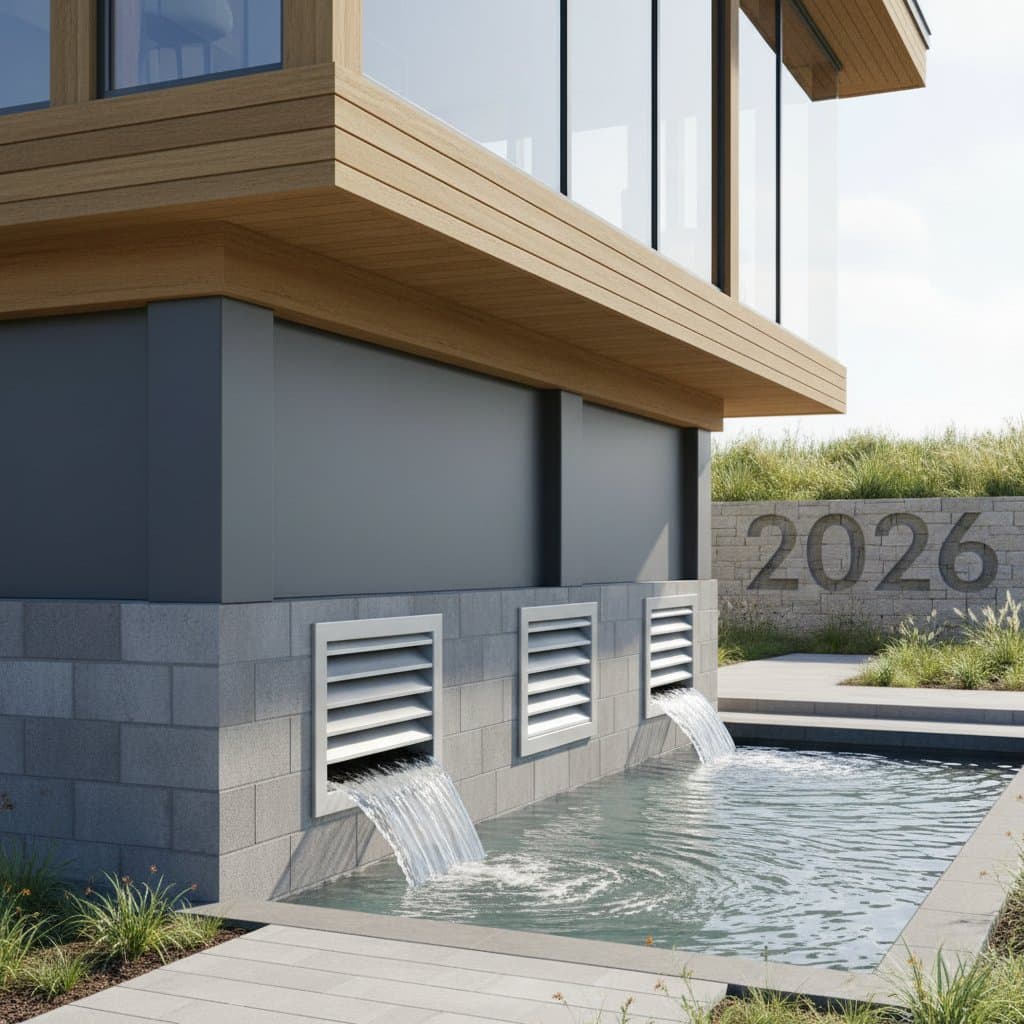
View these adaptations as collaborative strategies with natural forces. Controlled water pathways through vents demonstrate how thoughtful planning fosters security and efficiency in flood-vulnerable settings.