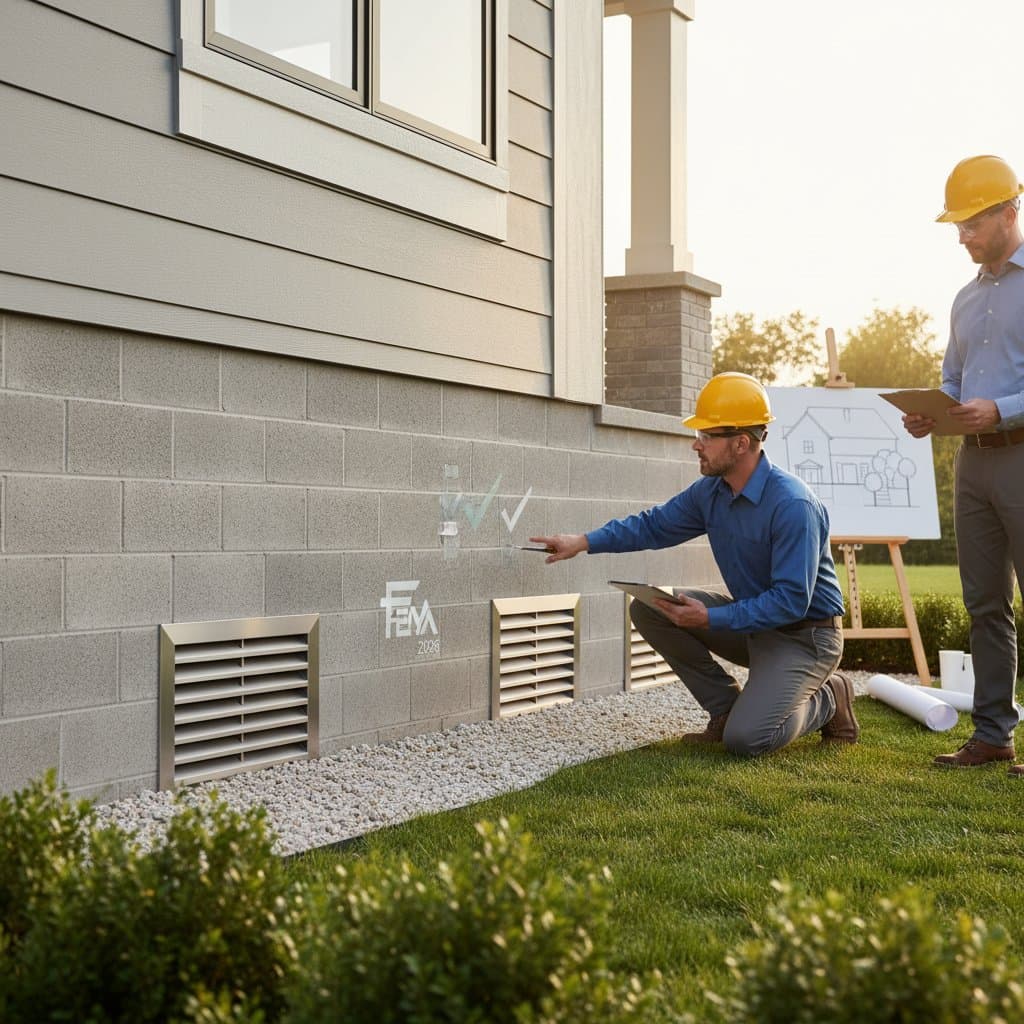
Navigating the 2026 FEMA Flood Vent Regulations: A Homeowner's Guide to Compliance
Homeownership in flood-prone regions presents unique challenges, particularly with evolving regulatory frameworks. The Federal Emergency Management Agency (FEMA) regularly revises its guidelines to enhance structural resilience and mitigate flood-related losses. The 2026 flood vent regulations focus on optimizing foundation safeguards through precise vent specifications and floodplain strategies. Early familiarity with these updates enables homeowners to achieve compliance, sidestep fines, and minimize repair expenses.
This resource outlines the core elements of the regulations, their implications for existing properties, and practical preparation measures. Although technical terms like building codes and flood elevations may seem complex, informed action makes navigation straightforward.
Conducting Thorough Maintenance and Inspections
Begin by assessing the state and positioning of current flood vents. Proactive evaluations, even prior to the 2026 implementation, identify potential vulnerabilities and support long-term system reliability.
- Identify all foundation vents. Examine the perimeter, including crawl spaces, to confirm openings exist on at least two opposing sides for balanced water flow.
- Remove blockages. Accumulated soil, leaves, or overgrown plants can impede ventilation and flooding pathways; schedule seasonal clearings to maintain functionality.
- Evaluate material integrity. Scan for rust on metal components or deformation in plastic units; damaged elements compromise effectiveness and require prompt substitution.
- Verify installation elevation. Current standards mandate vents align with the base flood elevation; anticipate refinements in the new rules and reference local authorities for precise measurements.
- Assess mechanical features. For engineered vents with flood-activated flaps or louvers, test manual operation to ensure smooth response without binding.
Regular performance of these tasks not only preserves operational efficiency but also provides evidence of diligence during regulatory audits.
Balancing DIY Efforts with Professional Expertise
Homeowners possess the capability to manage basic upkeep, yet complex modifications demand specialized knowledge to align with FEMA criteria.
Suitable DIY Activities:
- Perform routine debris removal and visual assessments
- Swap out vent screens or grilles with FEMA-approved equivalents
- Review product labels and datasheets to validate certification status
Tasks Requiring Professionals:
- Retrofit additional vents into foundations lacking adequate coverage
- Recalibrate positions to satisfy revised height and spacing protocols
- Generate certified reports for submission to insurers or permitting offices
Engage contractors versed in flood-resistant building practices to guarantee adherence to both federal and municipal codes.
Indicators for Professional Assessment
Specific scenarios warrant expert involvement to address risks effectively:
- Uncertainty exists regarding current vent alignment with FEMA benchmarks
- Evidence of structural issues, such as foundation fissures or persistent moisture entry
- Property location within designated high-velocity flood zones
- Requirement for formal attestations to support insurance policies or financing
Specialists employ precise surveying tools to determine elevations, suggest suitable vent models, and issue verifiable certificates. Such thorough documentation often qualifies properties for discounted flood insurance rates, as carriers incentivize preventive measures.
Mastering Documentation for Regulatory Adherence
A pivotal aspect of the 2026 updates emphasizes robust proof of conformity. Property owners must demonstrate that vents bear proper certification and follow installation protocols, potentially through:
- FEMA-approved manufacturer specifications, including technical datasheets and compliance seals
- Professional elevation surveys, conducted by certified engineers or surveyors
- Visual and descriptive records, such as timestamped photographs detailing vent counts, locations, and configurations
Organize these materials systematically, perhaps in a dedicated physical portfolio or secure digital archive, to streamline interactions with insurance providers or permit issuers.
Implementing Protective Measures for Your Property
Grasping the intricacies of FEMA flood vent regulations extends beyond mere adherence; it fosters enduring security and fiscal prudence for your residence. Initiate the process with a detailed vent audit, thorough cleansing, and certification review to position yourself advantageously among peers in susceptible locales.
Subsequently, consult a reputable floodplain engineer or certified installer familiar with regional variations. These experts translate the regulations into tailored recommendations and oversee verifications. Maintain meticulous logs of all evaluations and enhancements, as authorities or underwriters may request them to affirm ongoing protection.