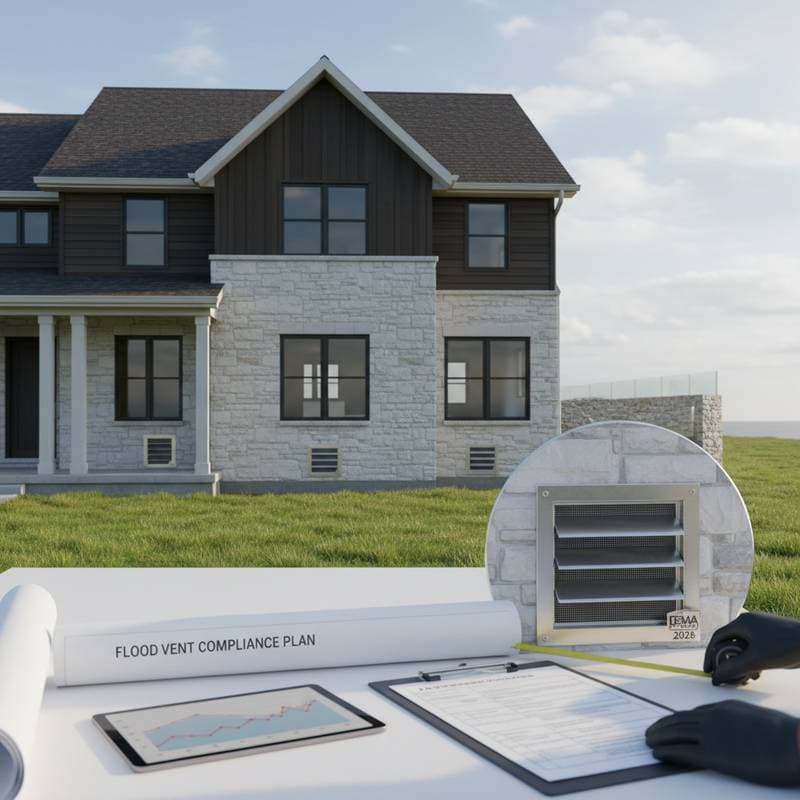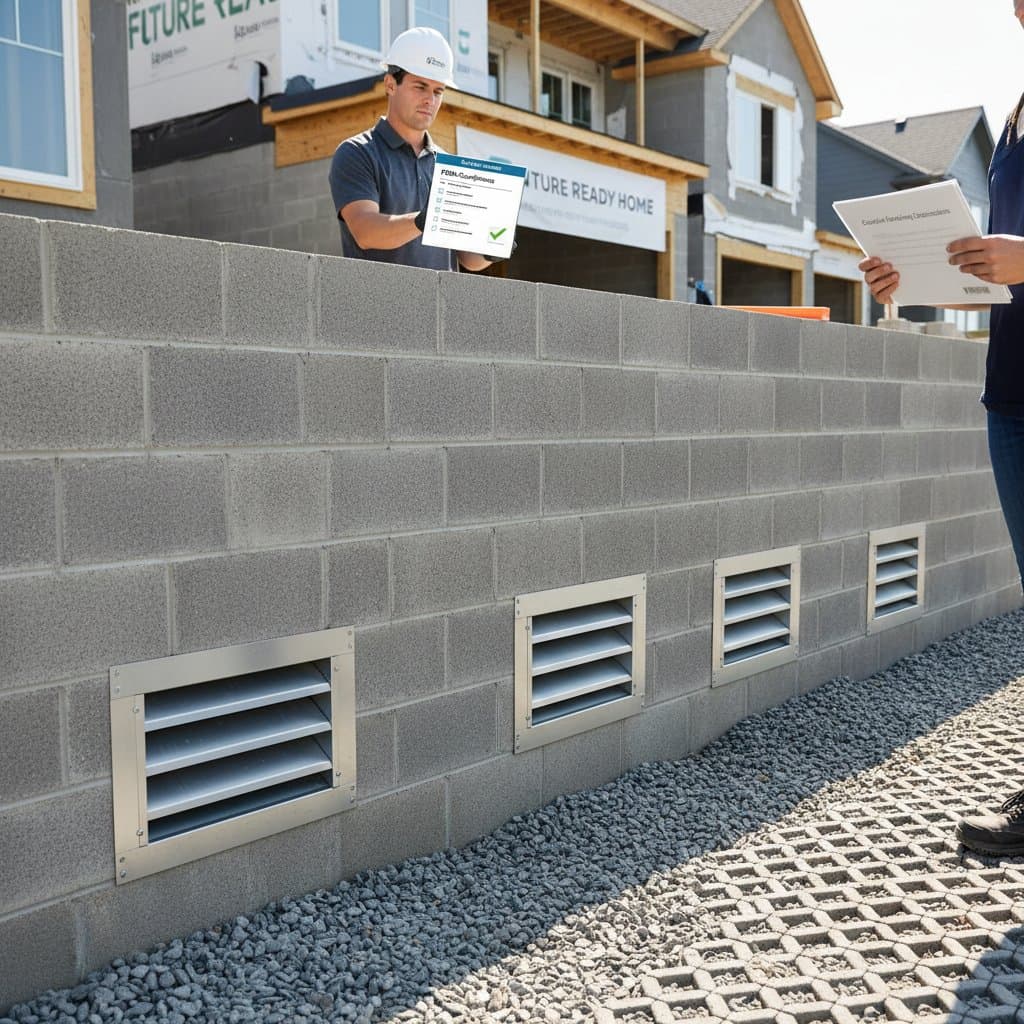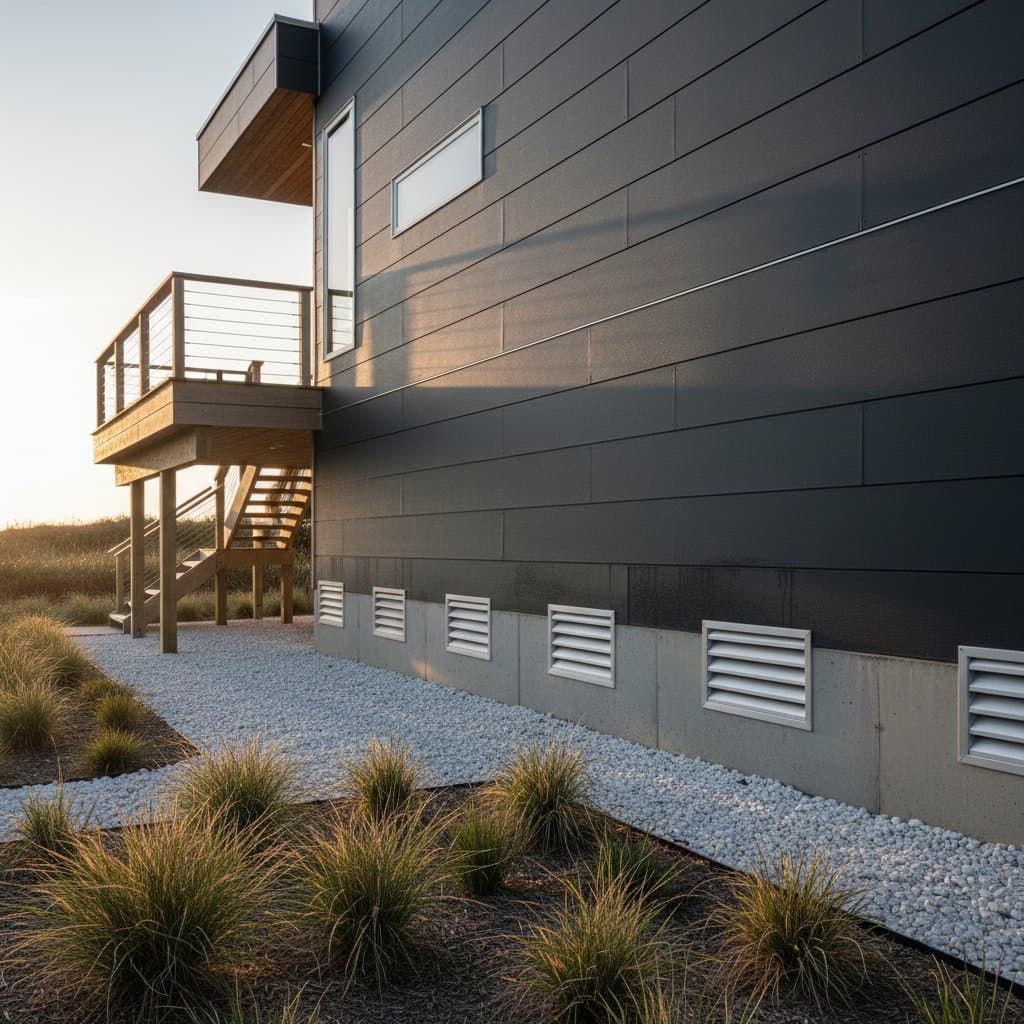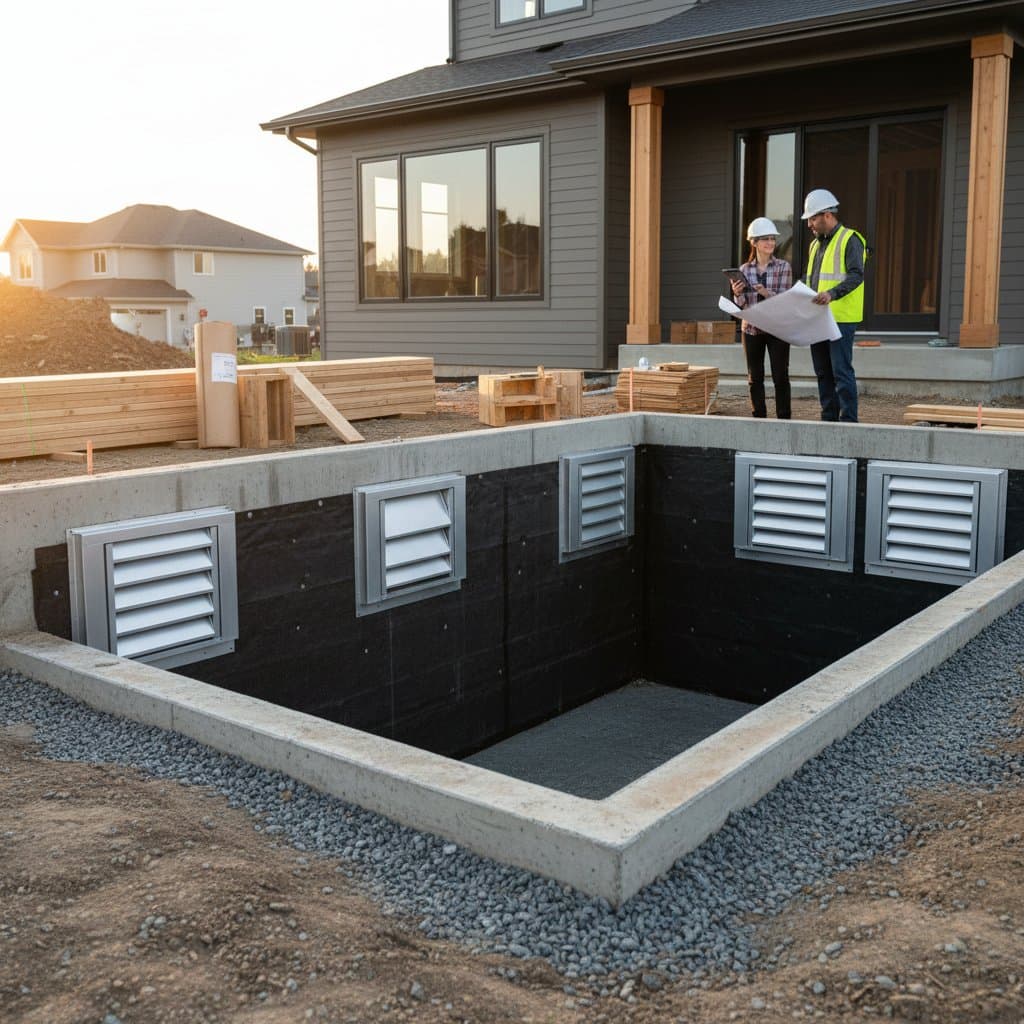
FEMA Flood Vents Stop Foundation Collapse in Storms
Fema Compliance

FEMA Flood Vents Stop Foundation Collapse in Storms

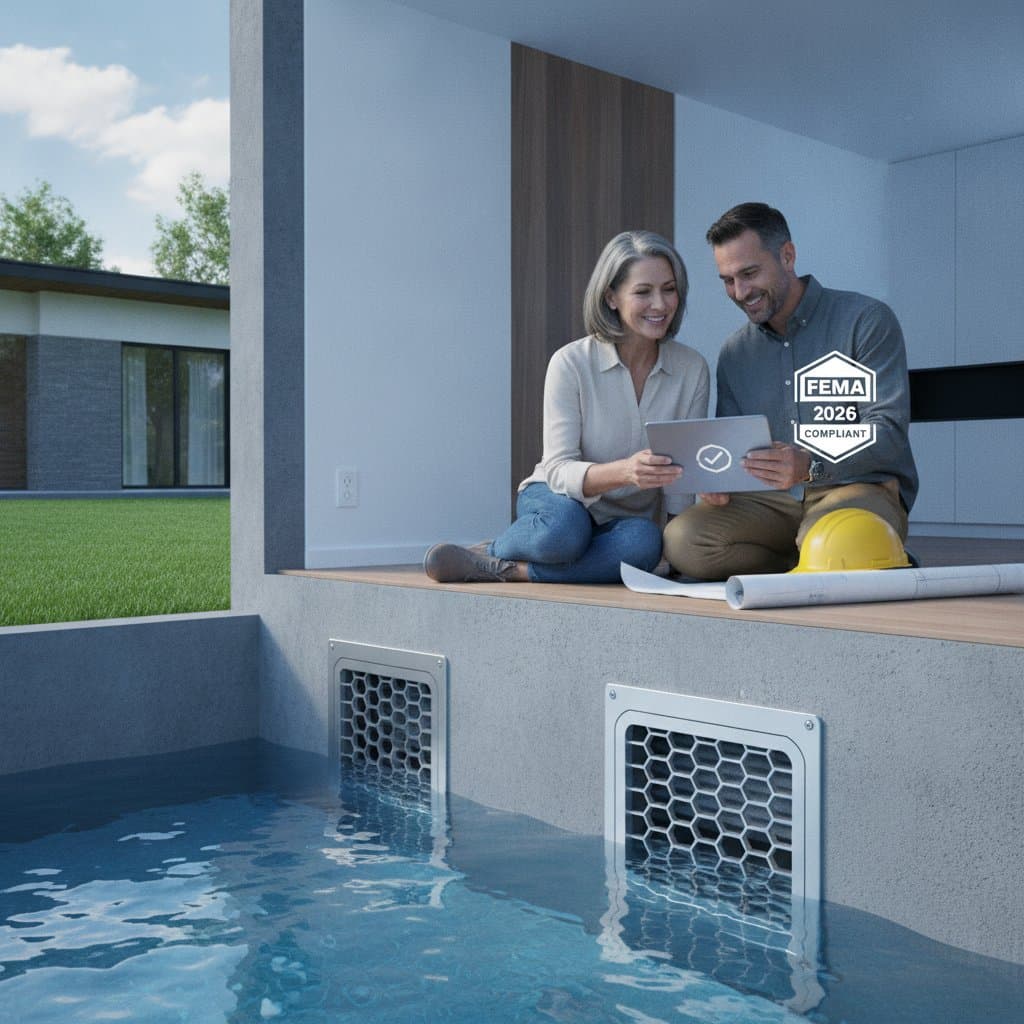
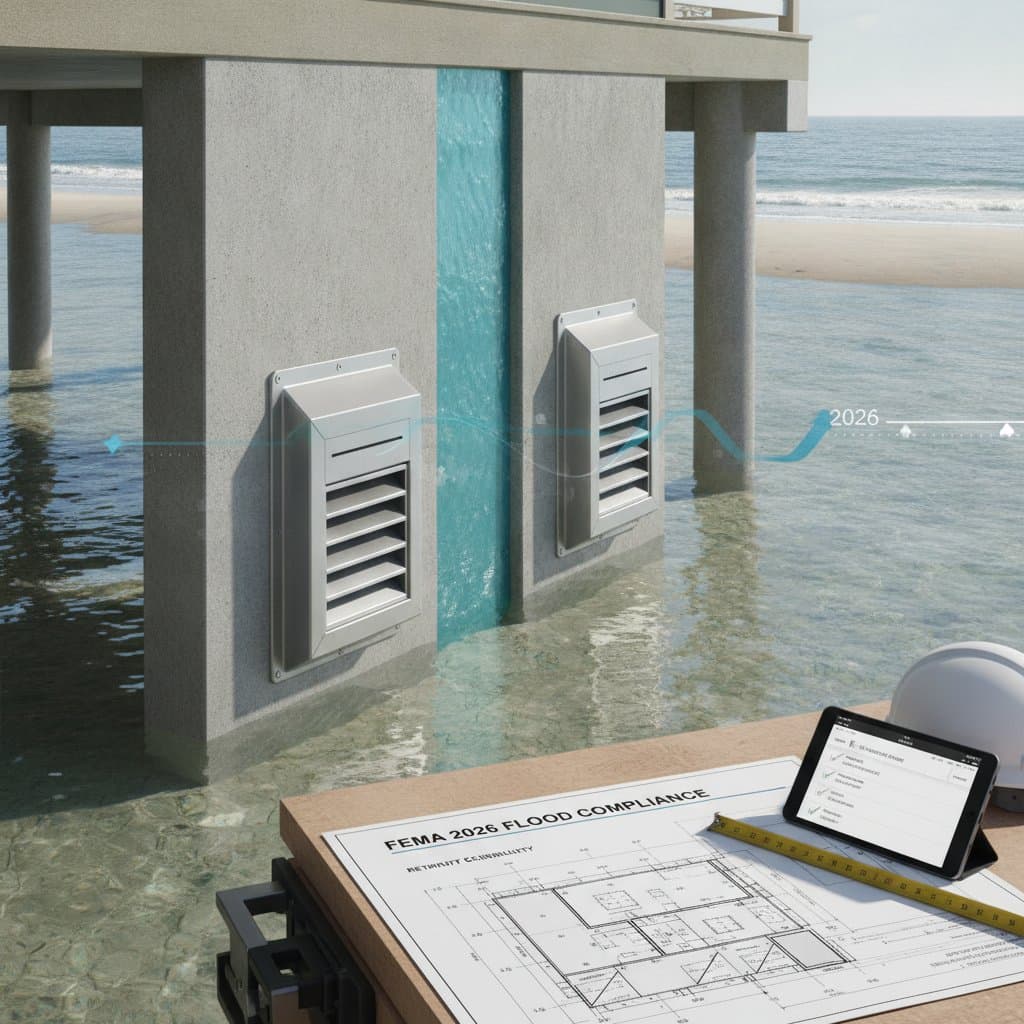
Explore FEMA's 2025 flood vent standards for effective wet proofing in flood zones. Understand how these vents avert foundation failure, qualify for insurance discounts, and elevate property worth. This comprehensive guide covers costs, installation guidance, and upkeep to secure your home investment.

By Stacy CadriDecember 8, 2025
Read Article

More articles tagged #Fema Compliance

Explore our collection of fema compliance related content

Wet-Proofing Cuts Flood Damage While Meeting FEMA Rules

Wet-Proofing Cuts Flood Damage While Meeting FEMA Rules

Wet-proofing enables homes to endure floods through strategic water flow and resilient materials, fully aligning with FEMA 2025 guidelines. This approach protects structures affordably, cuts insurance costs, and upholds coverage eligibility. Delve into implementation processes, budgeting tips, and maintenance routines for robust flood defense.

Becca RobertsNov 13
Why Flood Vents Prevent Foundation Collapse in Flood Zones

Why Flood Vents Prevent Foundation Collapse in Flood Zones

Flood vents provide essential protection for homes in flood zones by allowing water to flow through foundations, meeting 2025 FEMA standards, and lowering insurance costs. This comprehensive guide covers their functionality, compliance requirements, installation choices between DIY and professional services, associated expenses, and the substantial financial and safety advantages that position them as a wise investment for vulnerable properties.

Stacy CadriNov 11

Flood Vents Cut My Insurance 20% in Three Years

FEMA-compliant flood vents safeguard foundations, reduce insurance premiums by as much as 20 percent, and elevate home values. Installation costs range from $500 to $2,000 per vent, with many projects recouping expenses through savings in just a few years. Discover installation best practices, optimal timing, and certification steps for sustained financial and structural benefits.

5 min read
By Stacy Cadri