Understanding FEMA's 2026 Flood Vent Requirements
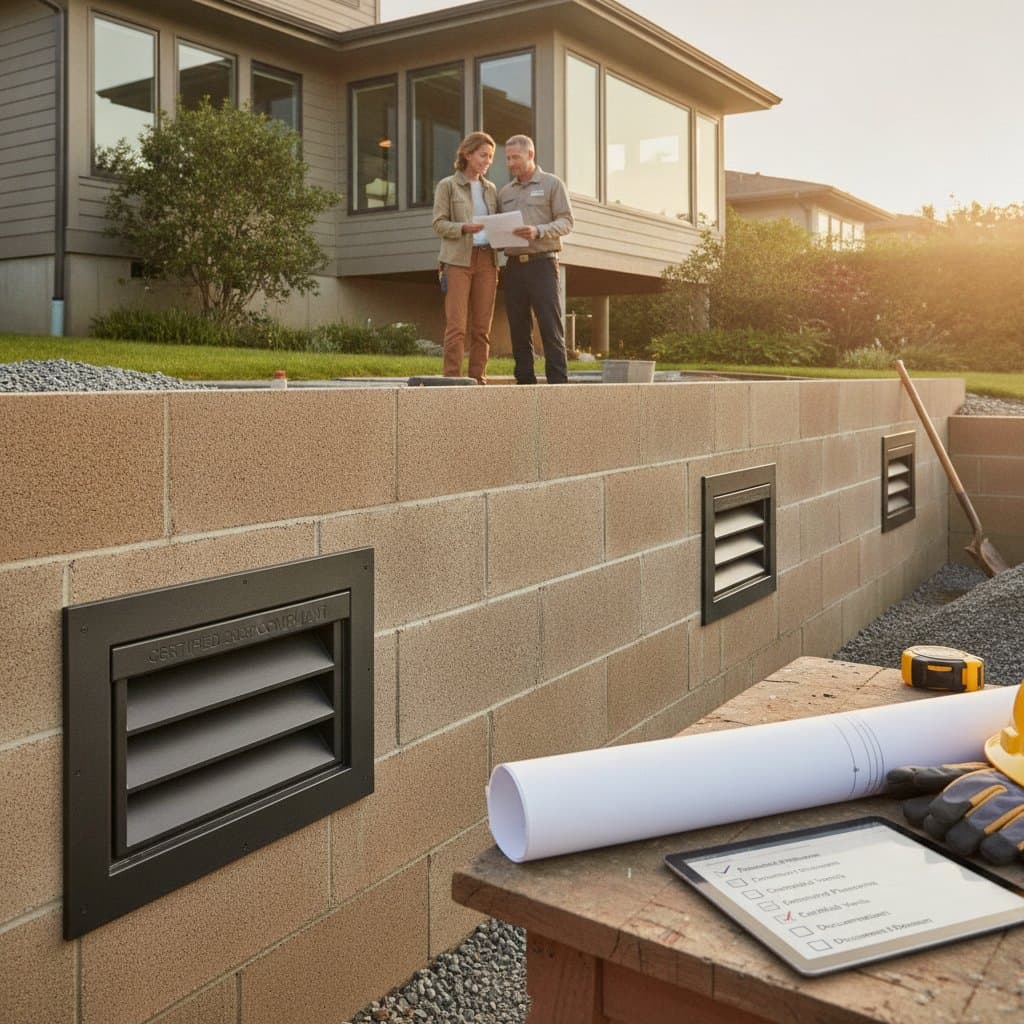
Homeowners in areas susceptible to flooding face significant changes with the Federal Emergency Management Agency's updated building codes effective in 2026. These revisions target flood vent systems, imposing stricter guidelines for installation in new builds and existing structures. Compliance becomes essential not only for avoiding fines but also for mitigating costly repairs and securing favorable insurance rates.
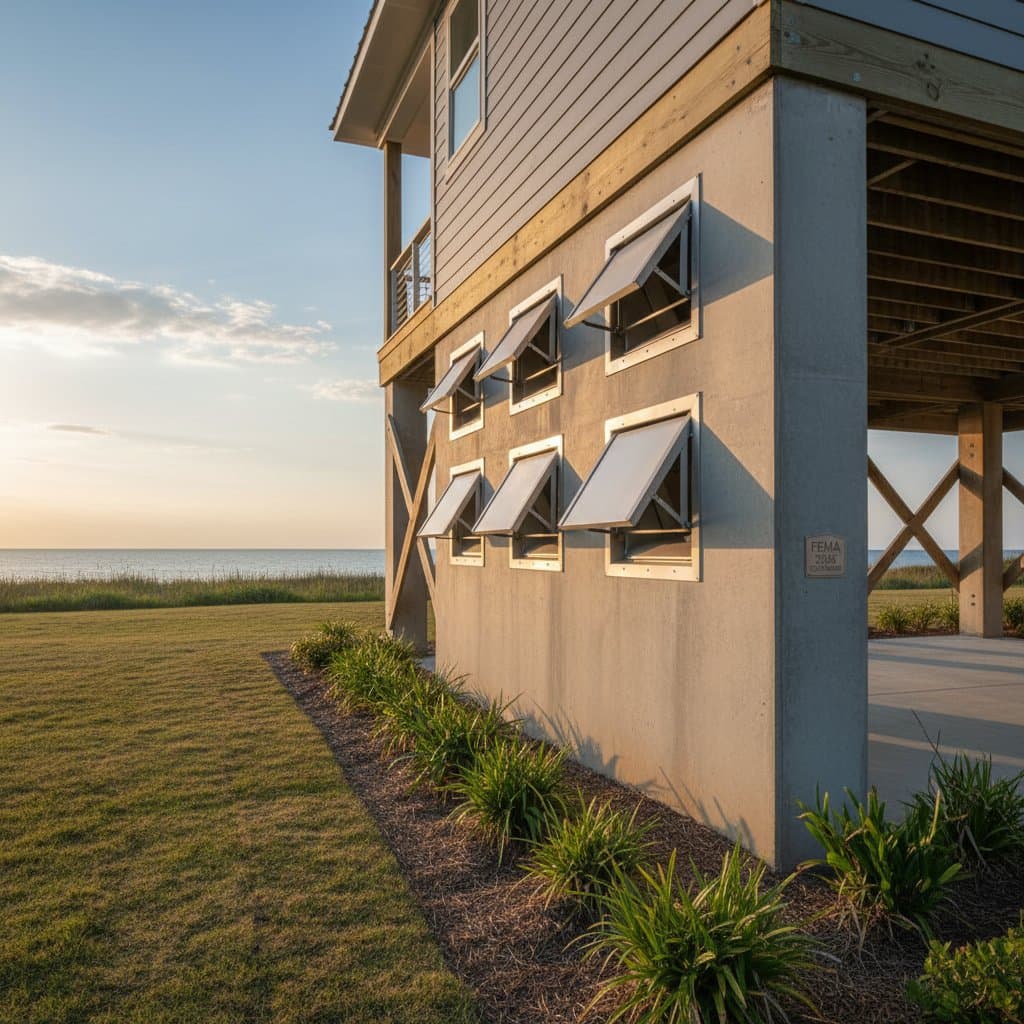
Flood vents serve a critical function by permitting water to flow through enclosed spaces beneath homes, such as crawl spaces or basements. Without proper venting, rising floodwaters exert uneven pressure on foundation walls, leading to cracks, shifts, or complete structural failure. The 2026 updates address past vulnerabilities observed in disaster aftermaths, where inadequate venting contributed to widespread property losses.
Reasons Behind the Stricter FEMA Standards
The agency bases these enhancements on data from recent flooding events, which revealed that many vents failed to perform as intended. Undersized openings or manual designs often clogged or remained closed, trapping water and amplifying damage. FEMA aims to standardize automatic, reliable systems that activate at low water levels, typically two to four inches, to balance hydrostatic pressure effectively.
Certified vents must now meet specific engineering criteria, including a minimum net open area based on the enclosed area's square footage. For instance, a 1,000-square-foot crawl space requires at least 200 square inches of unobstructed venting during floods. Inspectors will enforce these rules rigorously, particularly during property transactions or major renovations, to prevent noncompliant homes from passing evaluations.
Failure to upgrade can result in denied permits, elevated flood insurance rates, or mandatory retrofits at the owner's expense. In high-risk zones designated by FEMA maps, such as coastal regions or river valleys, these standards apply universally to elevate community resilience against intensifying weather patterns.
Selecting Materials Compliant with 2026 Codes
Material selection influences both initial costs and long-term performance under FEMA's revised criteria. Vents must demonstrate automatic operation without human intervention, achieve a certified flood flow rating from organizations like the International Code Council, and resist corrosion from moisture and debris. The following table compares popular options based on current market data.
| Material | Average Cost per Vent | Durability | FEMA Compliance |
|---|---|---|---|
| Stainless Steel | $250 - $400 | Excellent (20+ years) | Fully Certified |
| Aluminum | $150 - $250 | Good (10-15 years) | Partially Certified |
| PVC/Plastic | $100 - $180 | Moderate (5-10 years) | Limited Certification |
| Composite | $200 - $350 | Excellent (15+ years) | Fully Certified |
Stainless steel excels in corrosive environments, such as those near oceans where salt accelerates deterioration. Aluminum offers a budget-friendly alternative but may require more frequent checks in humid climates. Plastic vents suit low-risk, inland applications but often fall short in rigorous inspections due to lower durability ratings.
Before purchasing, verify each vent's certification label, which includes an ICC-ES report number. Suppliers provide documentation to streamline permitting, ensuring your choice aligns with local adaptations of the National Flood Insurance Program guidelines.
Strategic Planning for Installation
Timing plays a pivotal role in minimizing disruptions and costs associated with flood vent upgrades. Contractors in flood-vulnerable locales experience high demand during hurricane or monsoon seasons, leading to extended wait times and inflated prices. Schedule installations during drier periods, such as late spring or early autumn, when ground conditions facilitate excavation and weather poses fewer risks.
Begin by consulting your municipal building authority to identify permit needs, which may include site plans and engineer-stamped designs for custom setups. Some jurisdictions mandate pre-installation approvals or third-party verifications to confirm vent placement adheres to elevation requirements. Delays in this process can postpone home sales or insurance adjustments, underscoring the value of proactive preparation.
Obtain estimates from at least three certified installers experienced in FEMA-compliant work. Factors like access to the foundation perimeter and integration with existing drainage systems influence quotes, which typically range from $500 to $1,500 per vent including labor. Professional installation ensures precise alignment, often at heights of 12 to 18 inches above grade, to optimize flood response.
Realizing Returns on Investment and Insurance Benefits
Investing in compliant flood vents yields tangible financial advantages beyond mere code adherence. Insurers recognize these upgrades by applying discounts of 10 to 20 percent on premiums, calculated according to your property's flood zone classification and the extent of venting coverage. For a typical annual policy of $1,200, this translates to annual savings of $120 to $240.
More critically, these systems avert repair bills that average $10,000 to $50,000 for foundation stabilization after water intrusion. In documented cases, homes with automatic vents sustained minimal structural harm during events that devastated neighboring properties. Upon resale, certified installations appeal to buyers, potentially increasing market value by 2 to 5 percent in flood-prone markets.
Consider one homeowner's experience: after retrofitting eight vents to meet emerging standards, the individual secured a premium reduction and avoided a $300 annual surcharge. This adjustment recouped the $3,200 project cost within four years, while enhancing overall property security.
Essential Maintenance Practices
Proper upkeep extends the lifespan of flood vents and maintains their reliability during emergencies. Conduct visual inspections biannually, ideally in spring and fall, to clear accumulations of leaves, sediment, or wildlife intrusions that obstruct airflow. In debris-heavy areas, quarterly checks prove beneficial to prevent partial blockages.
Following any water exposure, flush vents with clean water to remove residues like mud or saline deposits, which erode components over time. Apply a light coat of silicone lubricant to hinges and flaps annually, ensuring smooth operation without attracting dirt. Avoid petroleum-based products, as they can degrade plastic or composite elements.
Monitor for signs of wear, including rust spots, warped frames, or non-responsive mechanisms. Prompt replacement of compromised units prevents inspection failures and upholds warranty coverage, typically spanning five to ten years for certified models. Integrating maintenance into routine home checks fosters peace of mind against unpredictable flood threats.
Steps to Upgrade Your Flood Vents Now
Residents in FEMA-identified flood zones must prioritize vent assessments to align with 2026 mandates. Locate existing vents and examine labels for certification indicators, such as FEMA acceptance or ICC-ES identifiers. Outdated models lacking these marks necessitate replacement to avoid compliance issues.
Engage a structural engineer for a comprehensive evaluation, particularly if your home features a slab foundation or unique enclosure design. This step identifies optimal vent locations and quantities, ensuring even pressure distribution. With preparation, upgrades transform potential vulnerabilities into fortified assets, preserving your home's integrity and value for years ahead.