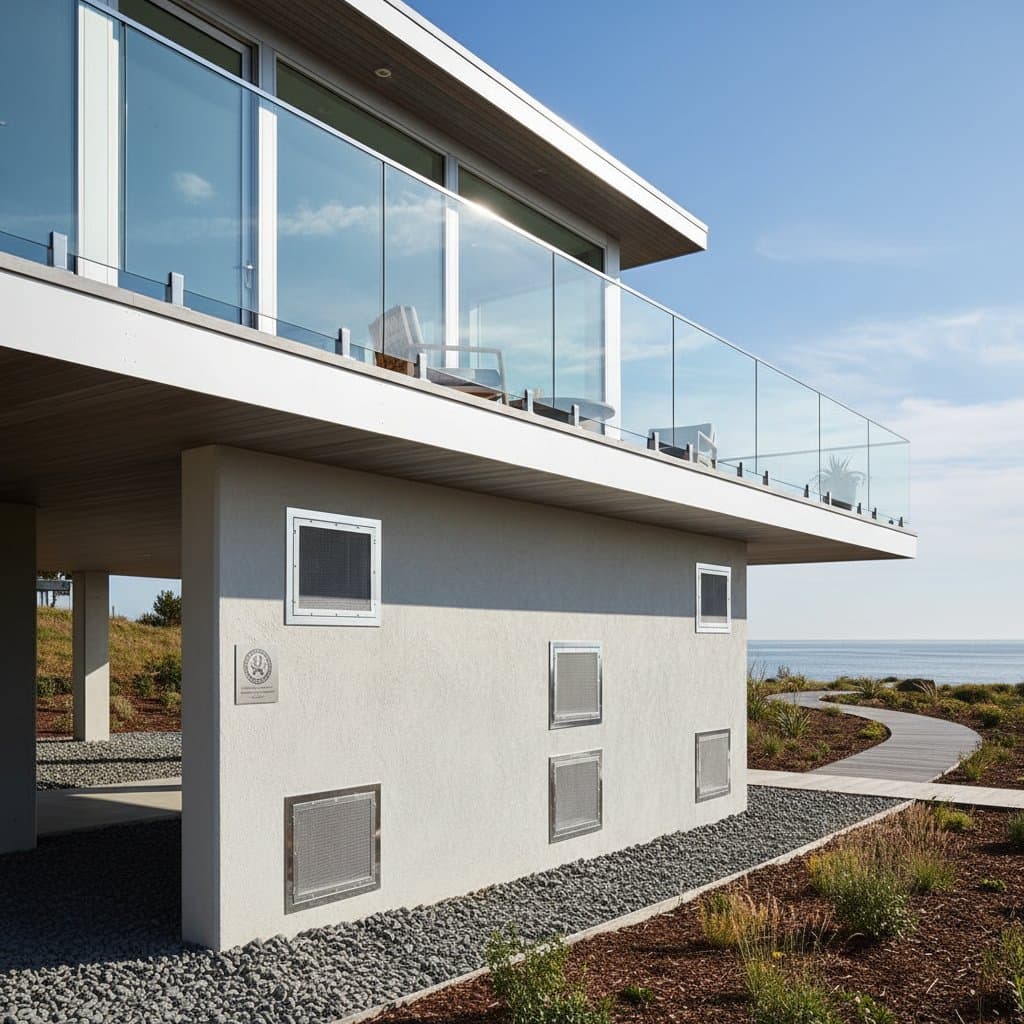
Your home foundation withstands immense pressure, yet water poses its greatest threat. For residents in flood-prone regions, Federal Emergency Management Agency regulations effective in 2026 mandate precise flood vent installations for properties in designated flood zones. These updates seek to minimize structural harm, decrease insurance expenses, and enhance overall durability. Homeowners must assess if existing foundations comply or necessitate modifications to align with these standards.
Project Overview
Average Cost: $600 to $2,800 per home
Timeline: 1 to 3 days
Lifespan: 20 years or more
Best Season: Late summer or early fall
DIY Friendly: Partially feasible
Flood vents allow water to flow through enclosed areas beneath homes, preventing hydrostatic pressure buildup that could crack foundations or shift walls. Compliance with these rules not only satisfies legal requirements but also safeguards investments against escalating flood risks driven by climate patterns.
Cost Breakdown for Flood Vent Installation
| Home Type / Material | Number of Vents Needed | Low Cost Range | High Cost Range | Notes |
|---|---|---|---|---|
| Slab-on-grade foundation | 4 to 6 vents | $600 | $1,000 | Basic retrofit using non-engineered vents |
| Crawl space foundation | 6 to 12 vents | $1,200 | $2,800 | Engineered vents mandatory for FEMA compliance |
| Basement foundation | 8 to 14 vents | $1,800 | $3,500 | Involves wall cutting and possible reinforcement |
Factors influencing total expenses include home size, foundation composition, and regional labor charges. Coastal areas often incur elevated prices owing to rigorous inspections and the need for materials resistant to corrosion from saltwater exposure. Homeowners benefit from obtaining multiple quotes to compare options and identify value-driven providers.
DIY Installation Versus Professional Services
Homeowners contemplating self-installation should first gauge their proficiency in handling foundation modifications and ensuring watertight seals.
DIY Approach
This method suits individuals with foundational knowledge in masonry or woodworking.
- Material expenses range from $400 to $900 for a modest crawl space setup.
- Placement adheres to FEMA specifications: one square inch of net open area per square foot of enclosed space.
- Potential pitfalls encompass miscalculated vent dimensions, suboptimal heights, or disrupted water pathways, resulting in regulatory non-compliance or compromised integrity.
Individuals pursuing DIY efforts must secure permits and consult local codes to avoid costly rework.
Professional Installation
Fees span $1,500 to $3,000, varying by foundation style and vent count.
- Certified experts validate adherence to FEMA and municipal building standards.
- Services encompass sealing against moisture, integrating pest barriers, and applying protective coatings for enduring performance.
- Documented professional work streamlines insurance claims and inspections.
Opt for professionals in scenarios such as:
- Residences in elevated flood risk zones.
- Structures featuring concrete block or reinforced walls.
- Projects tied to home elevation or major renovations.
Pursue DIY only if conditions include:
- Straightforward wood-framed crawl spaces with easy wall access.
- Established skills in cutting and sealing masonry.
- Endorsement from the local building authority for owner-performed work.
Safety and Compliance Essentials
Although flood vent projects seem straightforward, multiple hazards demand meticulous oversight.
- Preserving Structural Strength: Incisions in foundation walls risk undermining support if positioned poorly; restrict cuts to intervals between piers or follow engineer directives.
- Managing Moisture Ingress: Faulty seals invite humidity, pests, or vermin into subfloor areas; employ stainless-steel screens and resilient gaskets to permit ventilation while repelling intruders.
- Aligning with Codes: The 2026 FEMA provisions incorporate ASCE 24 guidelines on vent efficacy and positioning; confirm designs match these criteria prior to evaluations by authorities.
- Avoiding Electrical Risks: Position vents at least 3 feet from panels or wiring to avert flooding-induced shorts or shocks.
Select contractors experienced in flood plain builds; request evidence of previous FEMA-approved projects and verify coverage through liability policies for structural alterations.
Financial Returns and Sustained Benefits
Beyond regulatory adherence, compliant flood vents yield tangible economic advantages.
- Insurance Savings: Certified setups often yield annual reductions of $150 to $450 in flood policy premiums.
- Mitigating Repair Expenses: Effective venting slashes post-flood foundation fixes by as much as 60 percent.
- Enhancing Market Appeal: Properties with verified compliance attract buyers in flood-vulnerable locales, supporting higher sale prices.
- Improving Efficiency: Advanced vents featuring auto-shutoff mechanisms curb air leaks, stabilizing indoor climate control throughout seasons.
Within a decade, most owners recover initial outlays via premium discounts and prevented damages, transforming a compliance obligation into a strategic asset.
Sustaining Flood Vent Performance
Regular upkeep ensures vents function optimally amid environmental stresses.
- Conduct yearly inspections to clear debris, sediment, or wildlife accumulations from openings.
- Clean surfaces using a gentle soap solution and rinse thoroughly, steering clear of tools that damage protective finishes.
- Examine seals and meshes for wear or breaches that could permit pest entry.
- Apply fresh coatings or reseal metallic components biennially, particularly in saline environments.
Proactive maintenance extends vent longevity, upholds compliance status, and maximizes protective value against recurrent flood threats.
Preparing for Compliance: Next Steps
To initiate upgrades, start by mapping your property against FEMA flood maps via official resources. Consult a local engineer for a site-specific assessment, then solicit bids from vetted installers. These actions position your home for resilience, cost efficiencies, and peace of mind in an era of intensifying weather events.