2026 FEMA Flood Vent Regulations: Prepare Your Home Today
Homeowners in flood-prone regions face a significant update in building standards. The Federal Emergency Management Agency plans to implement stricter flood vent requirements in 2026. These changes extend beyond administrative details; they influence property insurance, resale potential, and structural integrity during flood events.
Having overseen numerous home upgrades linked to evolving codes, including a basement restoration following water damage, the author recognizes the value of timely flood vent retrofits. Such installations reduce insurance costs and provide essential reassurance. Property owners should adopt similar forward-thinking approaches to navigate the impending regulations effectively.
The Importance of the FEMA Flood Vent Update
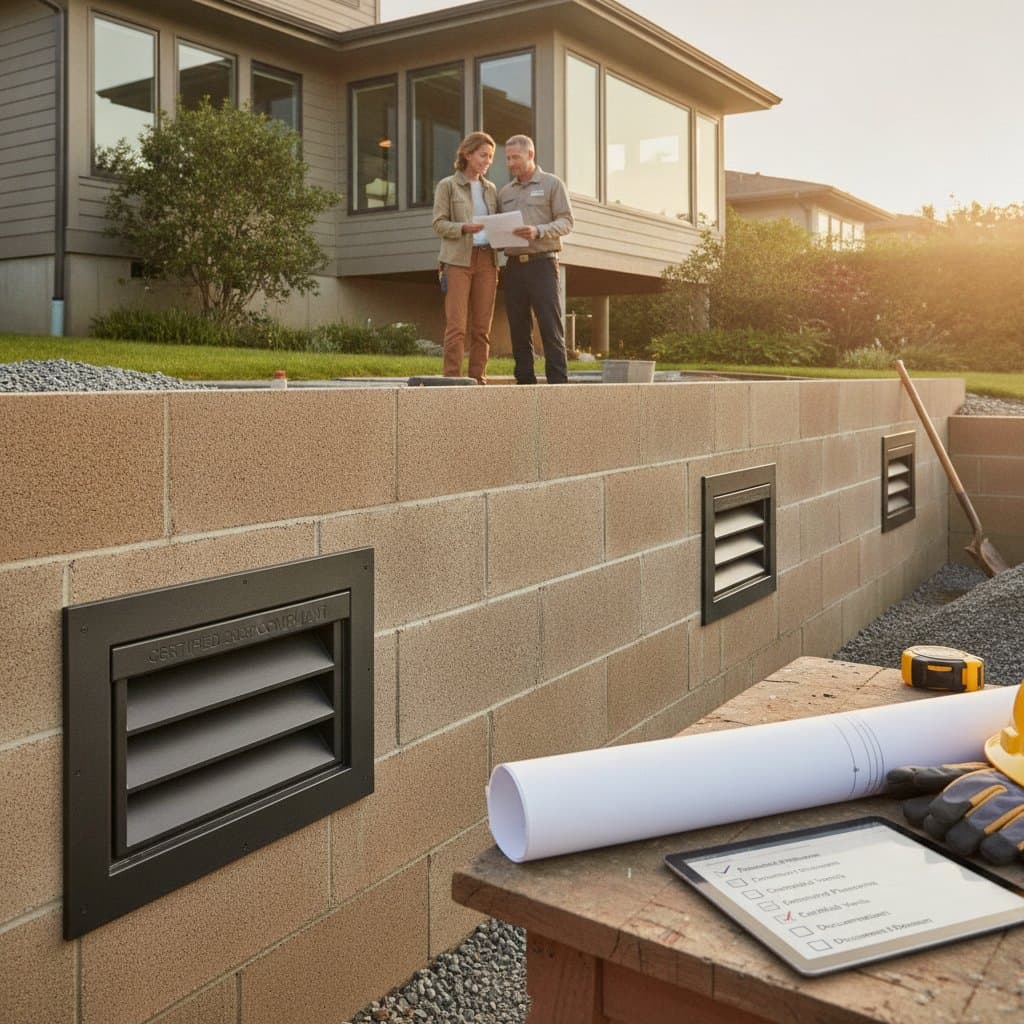
The 2026 FEMA revisions aim to elevate performance benchmarks for flood vents within the National Flood Insurance Program. Emphasis falls on vents that automatically balance hydrostatic pressure and feature uniform certification markings. These standards ensure vents function reliably to mitigate flood damage to enclosed areas.
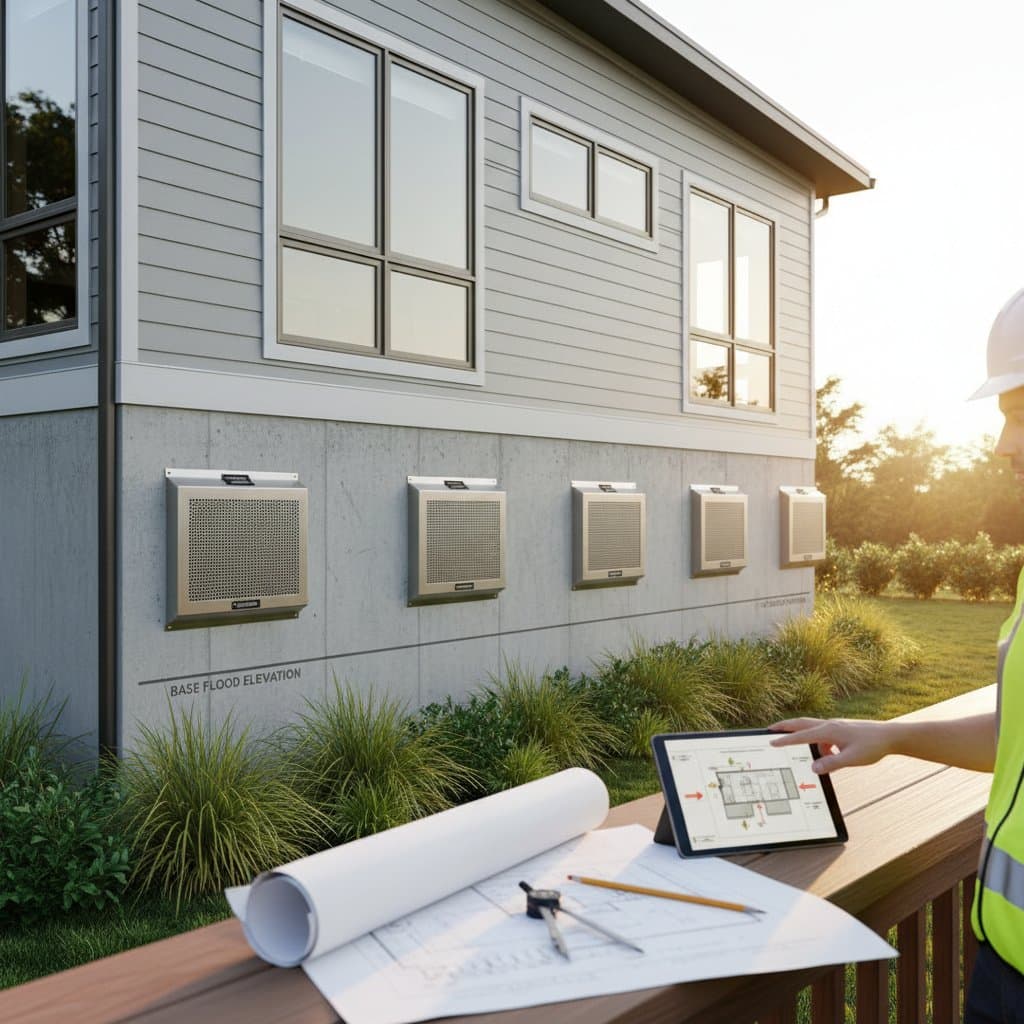
Vents installed years earlier might fail to align with the updated specifications. Failure to comply may lead to elevated insurance premiums or complications in property transactions. For structures situated below the Base Flood Elevation, certified vents remain essential to avoid substantial premium increases, which can reach thousands of dollars annually.
Deciding Between DIY Installation and Professional Assistance
Flood vent installation appears straightforward at first glance, yet it demands adherence to exact elevation and spacing protocols. FEMA specifies that the lower edge of each vent sits at grade level, with the cumulative vent area comprising at least one square inch for every square foot of the enclosed space below the elevation.
Conditions Suitable for DIY Efforts
- Possession of appropriate masonry tools and proficiency in creating precise openings in foundation walls.
- Availability of detailed records regarding the property's flood zone and base flood elevation.
- Confidence in applying seals to openings that block pests and unwanted air movement.
Scenarios Requiring Professional Expertise
- Location in a designated high-risk flood zone.
- Necessity for reinforcing structural elements around vent openings.
- Uncertainty concerning local permits and inspection processes.
In one documented retrofit project, preparatory tasks and waterproofing occurred independently, while a certified specialist managed wall cutting and vent placement. This approach incurred an additional $1,000 in expenses compared to a full DIY attempt, yet it secured immediate compliance and inspection approval.
Obtain estimates from at least three local contractors prior to proceeding. Variations in costs often stem from regional labor rates and the extent of required masonry repairs.
Navigating Supply Chain and Labor Challenges
Shortages persist among manufacturers of flood vents, particularly stainless steel variants, resulting in delivery delays of eight to ten weeks. Contractors face overburdened schedules as property owners accelerate preparations ahead of the regulatory shift.
To minimize disruptions:
- Procure materials in advance, ideally before initiating any foundation alterations.
- Reserve inspection slots early, as authorities experience high demand during periods of elevated storm activity.
- Integrate vent work with concurrent projects, such as basement waterproofing or sump pump enhancements.
Strategic planning proves crucial. Material and labor costs escalate in late summer amid heightened flood risks, so target installations in early spring when conditions favor efficiency.
Evaluating Insurance Impacts and Return on Investment
Beyond regulatory adherence, flood vents influence risk assessments by FEMA and insurance providers. Certified installations typically yield a 10 to 15 percent decrease in yearly flood insurance premiums.
Consider this calculation: For a baseline premium of $3,000 annually, a 15 percent savings equates to $450 per year. Assuming an installation expense of $2,400, the investment recoups within approximately five years. Subsequent years deliver ongoing financial benefits alongside enhanced structural protection.
Property values also benefit. In markets near coastlines or waterways, real estate professionals emphasize compliant flood defenses in promotional materials, attracting informed buyers and supporting higher sale prices.
Optimal Timing Strategies for Property Owners
Effective scheduling optimizes expenses on materials and services. The following timeline has demonstrated success in multiple projects:
- Early spring: Source vents and book installation services before seasonal rains intensify.
- Summer: Address grading and drainage enhancements as soil conditions permit.
- Fall: Perform final vent inspections and debris removal to prepare for winter conditions.
Steer clear of peak storm periods, when contractor availability diminishes and pricing surges. Residents in vulnerable zones should inquire about municipal incentives, including rebates or favorable financing for flood resilience improvements. Certain communities operate initiatives that offset upgrade costs for qualifying properties.
Implementing Compliance for Long-Term Security
The 2026 FEMA flood vent standards address the growing prevalence and severity of flooding events. They underscore the need for robust residential defenses. Early engagement allows property owners to select verified products, negotiate favorable installation terms, and sidestep rushed modifications.
Commence by identifying qualified specialists familiar with FEMA protocols. Request they assess existing vents and provide certification aligned with current and forthcoming requirements. These steps fortify your property's foundation, diminish insurance obligations, and ensure readiness for regulatory demands.