Understanding FEMA's 2026 Flood Vent Rules
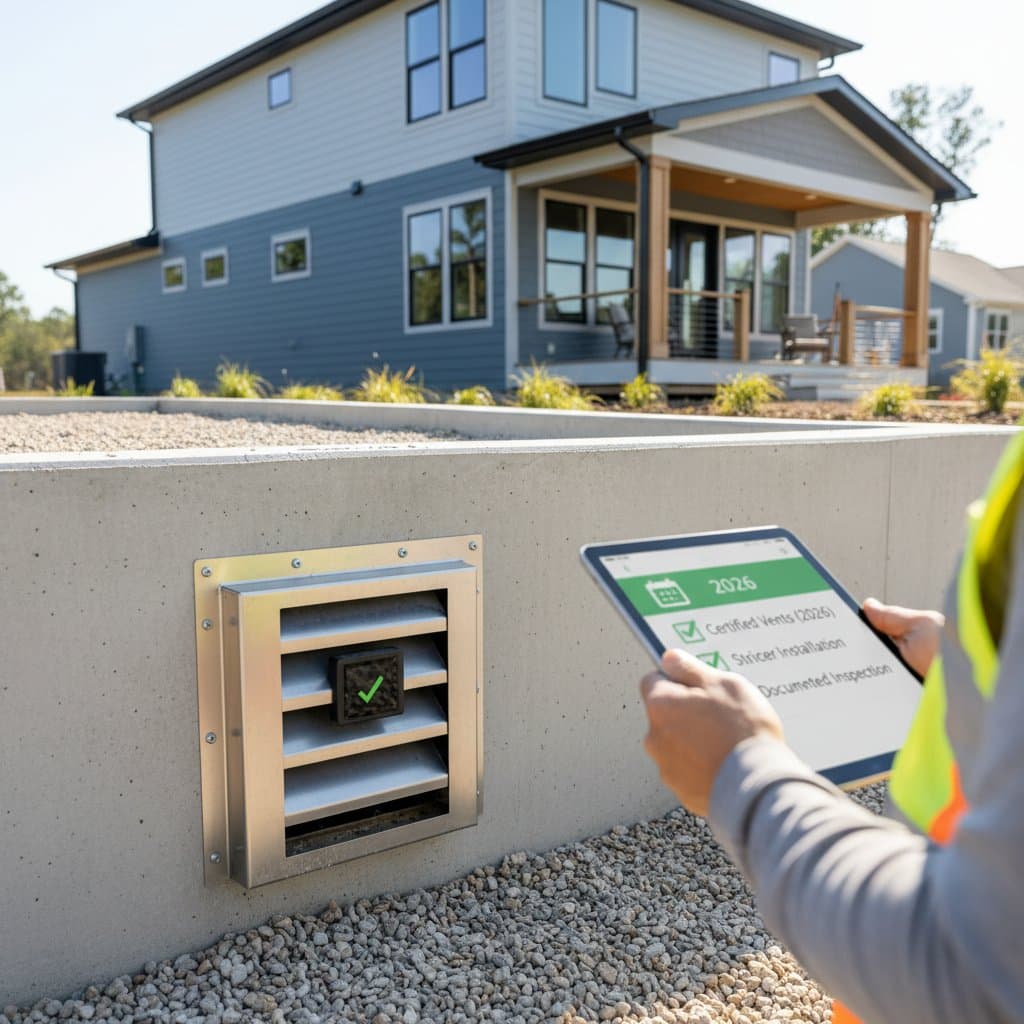
Federal Emergency Management Agency updates to flood vent requirements take effect in 2026. These rules target properties in special flood hazard areas to improve flood resistance and reduce insurance claims. Homeowners must install certified vents that allow water to flow freely, preventing structural damage from hydrostatic pressure.
The regulations mandate vents on enclosed areas below the base flood elevation, such as crawl spaces and garages. Each vent covers a specific square footage of enclosed space, typically 200 square feet per vent. Failure to comply could result in higher National Flood Insurance Program premiums or denied coverage during claims.
Key Compliance Requirements
FEMA requires documented inspections for flood vents during property sales or insurance renewals. Non-functioning vents or blocked openings trigger mandatory replacement. Certified vents must bear labels from approved testing agencies, confirming they meet performance standards for water equalization.
Installation follows precise guidelines, including minimum net open area and elevation placement. Vents operate automatically to admit and discharge floodwaters without human intervention. Property owners receive guidance through FEMA's technical bulletins to verify setup.
Regional Adjustments
Local building departments align codes with FEMA's national standards. Coastal and high-flood-risk zones enforce stricter measures, often requiring additional engineering verification. Inland areas adapt based on local flood patterns, with variations in vent density and materials.
Factors Influencing Total Installation Costs
Compliance expenses vary by property specifics and location. Understanding these elements helps homeowners budget effectively for upgrades.
1. Material Selection
PVC vents offer affordability but limited durability in corrosive environments. Stainless steel or aluminum options provide long-term resistance to saltwater and chemicals, justifying higher initial costs. Select materials based on regional exposure to ensure longevity.
2. Installation Labor
Professional rates range from $75 to $150 per vent. High-demand areas or regions with union labor may reach $200 per unit. Factor in travel time for remote properties.
3. Access Challenges
Sealed crawl spaces or finished basements demand cutting into masonry or concrete. Such modifications add $300 to $600 in labor and restoration expenses. Plan for minimal disruption to living areas.
4. Documentation and Certification
Existing vents without records require inspection and re-certification, costing $150 to $300. Local regulations dictate the process, including third-party evaluations.
Strategies to Reduce Compliance Expenses
Proactive planning lowers the financial burden of meeting new standards. Implement these approaches to optimize spending.
-
Time Installations Strategically: Opt for early spring or late summer scheduling. Contractors face lower demand, reducing rates and avoiding peak surcharges.
-
Integrate with Other Repairs: Pair vent upgrades with foundation maintenance, such as crack sealing or waterproofing. Combined efforts decrease overall labor by 15 to 20 percent.
-
Select Pre-Certified Kits: Manufacturers provide compliant vent packages under $120 each, complete with hardware and seals. These simplify installation and verification.
-
Explore Local Incentives: Municipalities grant rebates for flood resilience measures. Consult floodplain management offices or insurers for eligibility.
-
Utilize Financing Programs: Home improvement loans and resilience grants support upgrades. Contractors often partner with lenders to streamline applications.
Post-Installation Inspection and Upkeep
Certified vents maintain effectiveness through regular care. FEMA emphasizes ongoing vigilance to preserve compliance and functionality.
Annual Maintenance Checklist
- Clear debris such as leaves, mud, and nests from vent openings.
- Replace corroded or obstructed screens.
- Examine seals for watertightness and integrity.
- Test mechanical components like floats or plates for free movement.
- Confirm certification labels remain intact and visible.
Dedicate 30 minutes annually to these tasks. Address issues like rust or blockages promptly through professional service, which costs $100 to $200. Bundle inspections with routine home checks for efficiency.
Variations in Costs and Codes by Region
Flood risks shape local adaptations to FEMA rules. Tailor preparations to your area's unique conditions.
Coastal Regions
Enforcement proves rigorous, mandating corrosion-resistant stainless steel vents at up to $250 each. Engineering reports verify placement against elevation data. Salt exposure accelerates wear, necessitating premium materials.
Inland River Basins
Debris management takes priority over corrosion. Self-cleaning grates or expanded openings suit these zones, with average costs of $150 per vent. Fewer reviews streamline the process.
Mountainous or Flash Flood Areas
Sloped terrain complicates setup, requiring reinforced framing or extra vents. Allocate 10 to 15 percent more for labor. Drainage patterns influence optimal positioning.
Verify requirements with your local building authority, as county-level differences arise from flood history.
Selecting Approved Flood Vents
Prioritize products that satisfy FEMA criteria for reliability during events.
Key features include:
- Official certification labels with evaluation report numbers.
- Bidirectional automatic operation for water flow.
- Robust construction from stainless steel, aluminum, or rated PVC.
- Clear sizing details for accurate foundation coverage.
- Minimum 10-year warranties from manufacturers.
Steer clear of unverified designs, which risk failure and invalidate protections.
Steps to Secure Your Property's Future
Take these measures to align with 2026 requirements and bolster resilience.
- Examine current vents for labels and operational status.
- Reach out to local building officials for deadline specifics.
- Arrange expert evaluation for legacy installations.
- Allocate funds early to sidestep inflation-driven hikes.
- Record all modifications for insurance and inspection purposes.
These actions safeguard your investment, potentially lowering premiums through demonstrated risk reduction.