Zero-Entry Showers: The 2026 Surge in Accessible Bathroom Design
A bathroom renovation extends beyond aesthetic updates. It enhances daily safety, simplifies routines, and elevates overall comfort. The zero-entry shower, often called a curbless shower, drives this evolution. Previously limited to high-end retreats or homes prioritizing accessibility, this feature now attracts homeowners who value form and utility alike.
For those contemplating a renovation or aiming to safeguard their property's longevity, grasp the mechanics of a zero-entry shower, its financial implications, and the value of expert involvement. This knowledge empowers informed choices that align with personal needs and market demands.
The Rising Appeal of Zero-Entry Showers
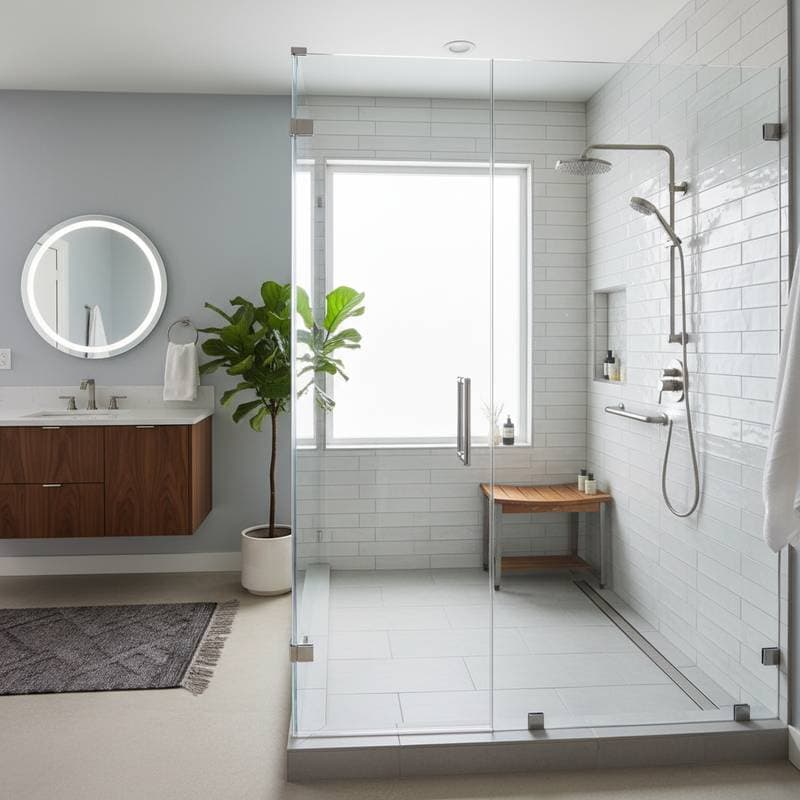
A zero-entry shower removes the traditional raised ledge of conventional setups. The shower floor aligns flush with the surrounding bathroom surface, creating a fluid entry point. This approach aligns with universal design principles, which emphasize environments adaptable to diverse ages and physical capabilities.
Several factors contribute to its widespread adoption:
- Enhanced Accessibility: Suited for individuals planning to age in place or managing mobility limitations, it reduces fall risks and eases movement.
- Contemporary Visuals: Streamlined profiles and expansive layouts amplify the sense of space, evoking a premium, spa-inspired atmosphere.
- Simplified Upkeep: The absence of curbs or thresholds minimizes areas prone to mold, soap scum, or debris accumulation.
- Property Value Boost: Prospective buyers prioritize low-maintenance, inclusive features that signal thoughtful, adaptable living spaces.
Architects, contractors, and residents forecast a significant increase in zero-entry implementations, driven by this blend of practicality, ease, and refined appearance.
Key Cost Determinants
Multiple variables shape the overall expense of a zero-entry shower. Awareness of these elements enables precise budgeting and realistic expectations.
Existing Infrastructure
Projects in bathrooms with adequate drainage and moisture barriers incur lower fees. In contrast, vintage structures frequently demand plumbing modifications or structural reinforcements to the subfloor, escalating expenses.
Material Selections for Tiles and Surfaces
Opt for resilient porcelain or ceramic options for cost-effective durability. Premium choices like natural stone or oversized porcelain panels command higher prices. Incorporate textured, anti-slip surfaces to prioritize safety, though they may slightly increase material outlays.
Drainage Solutions
Linear drains offer a modern, unobtrusive profile and superior water evacuation, yet they exceed the price of circular alternatives. Strategic drain positioning influences installation duration and associated labor charges.
Enclosure and Partition Choices
Frameless glass enclosures deliver an upscale, unobstructed vista while containing splashes, but they contribute several thousand dollars to the budget. Alternatively, forgo enclosures in favor of a comprehensive wet-room configuration that integrates the shower seamlessly.
Regional and Workforce Variations
Labor expenses fluctuate based on geographic location. Metropolitan zones with elevated demand for skilled tradespeople generally impose premiums over suburban or countryside rates.
Supplementary Accessibility Elements
Integrate support elements such as reinforced grab bars, integrated benches, or adjustable shower wands to heighten usability and security. These additions raise material expenditures but deliver substantial functional returns.
Versatile Design Configurations
Zero-entry showers adapt to bathrooms of varying dimensions. Effective execution hinges on thoughtful spatial analysis. Consider these established configurations:
Integrated Wet Room
This design merges the shower zone directly into the bathroom floor plane, ideal for streamlined, barrier-free environments that accommodate wheelchair navigation.
Minimal Glass Divider
Install a solitary tempered glass sheet to direct water flow while preserving an open, therapeutic ambiance.
Angled Corner Placement
Suitable for tighter quarters, position the shower in a corner with a wall-aligned linear drain to optimize footprint.
Incorporated Seating
Embed a contoured bench for seated showering, enhancing relaxation and stability in more generous areas.
Multi-Outlet Fixtures
Pair a fixed overhead fixture with a portable wand to support varied preferences and reach.
Select flooring with inherent traction and engineer subtle gradients to channel water toward the drain, preventing stagnation. Collaborate with a design professional to harmonize aesthetics with operational efficiency.
Essential Planning Phases for Installation
Navigate your project systematically to achieve seamless execution.
-
Evaluate the Area
Conduct precise measurements of the current shower footprint and determine feasible floor-level adjustments. Locate existing pipes and scan for subfloor impediments. -
Establish Financial Parameters
Account for supplies, workmanship, and possible foundational alterations. Incorporate a contingency of 10 to 15 percent to cover unforeseen expenses. -
Specify Components and Enhancements
Decide on tile dimensions, drainage mechanisms, and barrier options. Evaluate inclusions like support rails or seating for added utility. -
Engage Skilled Professionals
Seek contractors versed in barrier-free systems. Review portfolios of completed projects and confirm adherence to robust waterproofing protocols. -
Site Preparation
Dismantle outdated components and surfaces. Upgrade electrical and hydraulic systems as required for compliance and performance. -
Core Assembly and Sealing
Professionals will establish the gradient, secure the drain, and apply protective membranes prior to surfacing. Precision here underpins enduring performance. -
Finalization and Verification
Upon surfacing, validate water runoff and apply sealants to perimeters. Confirm uniform drying and containment within the designated area.
This methodical progression curtails errors and fosters a robust outcome.
Strategies for Cost Efficiency
Achieve savings through deliberate selections that preserve standards.
- Employ conventional tile formats over bespoke designs or intricate inlays.
- Incorporate a lone glass divider rather than comprehensive framing.
- Time the project for slower periods to leverage contractor incentives.
- Retain viable current piping where feasible to avoid replacement fees.
- Inquire about vendor incentives for drainage or sealing technologies.
Consult specialists for balanced selections that merge resilience with appeal.
Sustaining Longevity Through Care
Routine practices preserve the integrity of your zero-entry shower.
- Address surfaces and joints with gentle, pH-neutral solutions to prevent residue buildup.
- Examine perimeter seals quarterly and address fissures promptly to maintain barriers.
- Monitor drainage efficacy regularly to avert backups or accumulations.
- Steer clear of corrosive agents that might erode protective layers.
Consistent attention ensures decades of reliable service.
Realize Lasting Benefits in Your Home
Investing in a zero-entry shower positions your bathroom as a versatile sanctuary. It safeguards against future needs while enhancing immediate enjoyment. Professional guidance transforms this upgrade into a cornerstone of resilient, inclusive living.