Understanding the Wildfire Threat to Homes
Wildfires pose a significant risk to residential structures, particularly in regions with dry climates and dense vegetation. Embers, small burning particles carried by wind, often ignite homes far from the main fire front. These embers target vulnerable entry points such as attic vents, where they can enter and spark devastating interior fires.
Attic ventilation plays a crucial role in maintaining home integrity by preventing moisture buildup and regulating temperature. Traditional vents, however, offer little resistance to ember intrusion. This vulnerability underscores the need for advanced solutions that balance safety and functionality.
How Ember-Resistant Vents Provide Protection
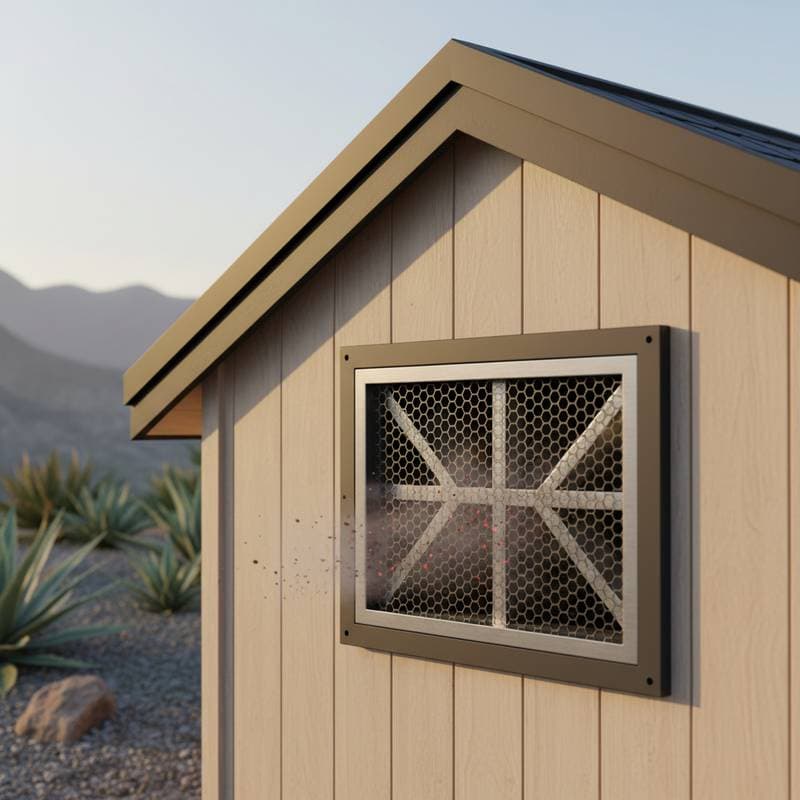
Ember-resistant vents represent a proactive defense against wildfire ignition. These specialized components feature fine stainless-steel mesh screens designed to block embers while permitting essential airflow. The 2026 Ember Vents, for instance, incorporate a heat-reactive coating that activates during high temperatures to seal off pathways without manual intervention.
The design ensures compliance with building codes in fire-prone areas, such as those outlined by the International Wildfire Code. Unlike older models that restrict ventilation and lead to energy inefficiency, these vents maintain optimal air circulation. This approach prevents the attic from becoming a tinderbox during fire events.
Key Features of the 2026 Ember Vents
The 2026 Ember Vents stand out through their innovative construction. The stainless-steel mesh withstands extreme heat up to 2000 degrees Fahrenheit, far exceeding typical fire conditions. The heat-reactive coating expands upon exposure to flames, creating an impermeable barrier that traps embers outside.
Installation remains straightforward, requiring standard tools and fitting most existing vent openings. Homeowners appreciate the low-maintenance aspect, as the vents resist corrosion and require cleaning only annually. Available in multiple sizes and finishes, they integrate seamlessly with various architectural styles.
- Ember Blocking Efficiency: Filters particles as small as 1 millimeter, reducing ignition risk by 95 percent according to independent testing.
- Airflow Preservation: Supports up to 150 cubic feet per minute, ensuring attic cooling without compromise.
- Durability: Backed by a 25-year warranty against manufacturing defects.
- Aesthetic Appeal: Powder-coated options match siding colors for a cohesive look.
Benefits for Homeowners in Fire-Prone Areas
Adopting ember-resistant vents enhances overall home resilience. In wildfire seasons, these vents minimize the chance of ember-caused spot fires, protecting both property and occupants. Insurance providers often recognize such upgrades with premium discounts, sometimes up to 15 percent.
Beyond safety, the vents contribute to energy savings. Proper ventilation reduces reliance on air conditioning by facilitating natural attic cooling. This efficiency proves valuable in hot, arid environments where wildfires frequently occur.
Residents in areas like California or Australia report greater peace of mind after installation. The vents form part of a broader defensible space strategy, complementing efforts like clearing vegetation and using fire-resistant roofing.
Steps to Install Ember-Resistant Vents
Assess your home's current ventilation system before proceeding. Identify all attic intake and exhaust vents, typically located in the soffits, gables, or roof peaks. Measure each opening to select compatible vent sizes.
- Gather necessary materials: replacement vents, screws, sealant, and a drill.
- Remove old vents carefully to avoid damaging surrounding structures.
- Clean the opening and apply weatherproof sealant around the edges.
- Secure the new vent in place, ensuring the mesh faces outward.
- Test airflow by observing attic conditions over several days.
Professional installation recommended for complex roofs or if local codes require permits. Consult a certified contractor familiar with wildfire mitigation standards.
Integrating Vents into a Comprehensive Fire Safety Plan
Ember-resistant vents serve as one layer in a multi-faceted defense. Combine them with ember-resistant screens on windows and doors, along with non-combustible landscaping. Regular home maintenance, such as gutter cleaning, further reduces ember accumulation.
Communities benefit from collective action. Neighborhood programs often subsidize installations, making upgrades accessible. Stay informed through local fire department resources on evolving threats and best practices.
Achieving Long-Term Home Security
Investing in 2026 Ember Vents fortifies homes against an escalating wildfire risk. These vents deliver reliable protection without disrupting daily comfort or aesthetics. Homeowners gain confidence knowing their property stands stronger in the face of nature's challenges.
The combination of advanced materials and thoughtful design positions these vents as a smart choice for resilient living. Prioritize this upgrade to safeguard what matters most.