2026 Trends Elevating Multigenerational Home Value
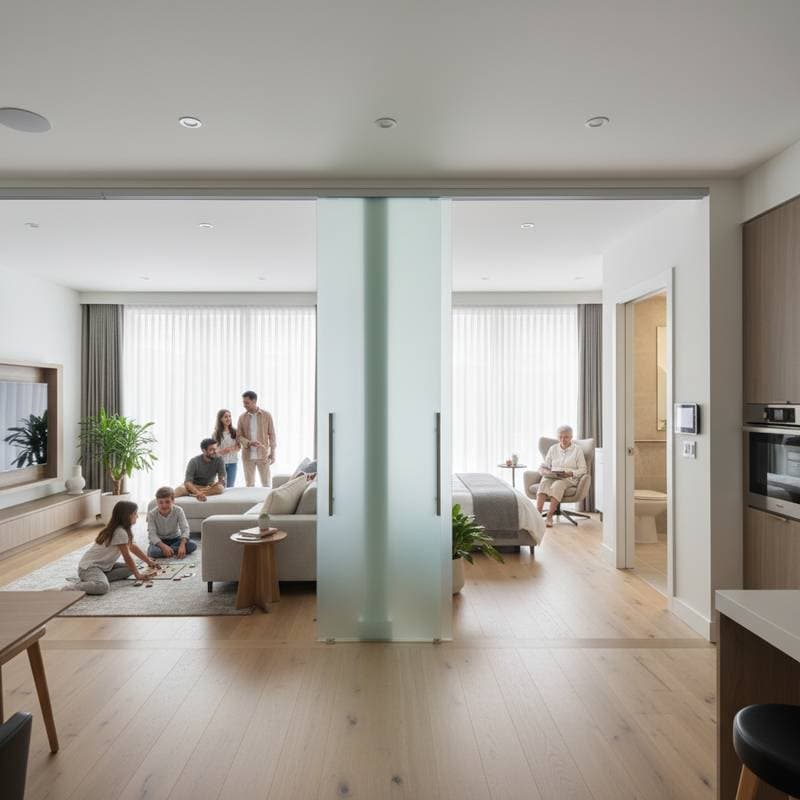
Families increasingly opt for shared living arrangements that accommodate grandparents, parents, and children. These homes balance individual privacy with communal bonds. This evolution influences buyer preferences and builder strategies. Multigenerational layouts and secondary living areas have transitioned from optional extras to key assets that enhance daily comfort and overall property worth.
Owners undertaking renovations or new constructions discover that adaptable designs, accessibility modifications, and communal facilities yield enduring financial benefits. Such adaptations not only redefine family dynamics but also impact property assessments and marketing approaches.
Factors Driving the Rise in Multigenerational Home Value
Demand for multigenerational residences continues to expand. Escalating housing expenses and emphasis on familial assistance render joint living arrangements more attractive. Prospective buyers appreciate properties preconfigured for intergenerational use, as these eliminate subsequent modification efforts and expenses. Residences featuring auxiliary suites, versatile floor plans, and independent access points frequently secure competing bids.
Financially, these properties foster accelerated equity accumulation by broadening the potential buyer demographic. They diminish reliance on external senior care options or separate rentals for grown offspring. These efficiencies contribute tangible worth that extends past the physical structure.
Upgrade Costs and Value Analysis
| Upgrade Type | Average Cost | Potential Value Increase | Lifespan |
|---|---|---|---|
| Secondary suite addition | $80,000 - $200,000 | 20% - 25% | 30+ years |
| Accessibility remodel | $10,000 - $40,000 | 60% ROI | 20+ years |
| Smart home system | $2,000 - $10,000 | 10% - 15% | 10 years |
| Outdoor living upgrade | $15,000 - $60,000 | Up to 20% | 25 years |
| Dual kitchen or kitchenette | $20,000 - $70,000 | 15% - 20% | 20 years |
Regional variations and economic factors influence these figures. Strategic combinations of upgrades typically amplify overall returns.
Design Approaches for Secondary Living Areas
Secondary living areas manifest in diverse configurations. Selection hinges on familial requirements, spatial constraints, and financial resources.
Basement or Garage Transformations
These initiatives repurpose underutilized areas into independent suites. They represent the most economical method for establishing seclusion. Incorporating adequate lighting, thermal barriers, and acoustic treatments guarantees habitability and discretion.
Integrated Expansions
Constructing extensions adjacent to the primary dwelling facilitates proximity alongside autonomy. Features such as enclosed passages or joint utility spaces harmonize accessibility with personal boundaries.
Standalone Structures
Referred to as accessory dwelling units, these compact residences on the property provide optimal isolation. They suit elderly relatives or revenue-generating tenants. Standalone options command premium resale prices due to their viability as independent units.
Multi-Level or Winged Configurations
Contemporary builds frequently incorporate generational wings. Distinct access points, lounges, and sanitation facilities promote self-sufficiency, while shared zones anchor communal interaction. Multi-level designs effectively mitigate inter-floor disturbances.
Handling DIY and Expert Tasks
Certain multigenerational modifications suit capable individuals, yet many demand specialized knowledge.
Suitable for DIY efforts:
- Applying fresh coats of paint and laying new floors
- Enhancing landscapes and installing exterior illumination
- Integrating intelligent home appliances
Require professional involvement:
- Alterations to load-bearing elements or expansions
- Modifications to water supply and wiring systems
- Implementation of mobility aids
- Improvements to heating, ventilation, and insulation
Certified specialists uphold safety protocols, regulatory adherence, and necessary approvals. Errors in these domains may incur significant expenses or hazards. Obtain several bids and verify credentials prior to engagement.
Steps to Develop Your Multigenerational Initiative
- Assess family requirements. Determine occupants for each area and desired degrees of seclusion or interaction.
- Establish financial parameters. Account for planning, building, regulatory, and outfitting expenditures.
- Engage experts promptly. Designers and constructors refine plans to satisfy standards and usability objectives.
- Examine local ordinances. Certain areas restrict duplicate cooking facilities or separate buildings.
- Incorporate adaptability. Select configurations that evolve with shifting household compositions or demands.
- Consider market viability. Steer clear of excessive personalization that might deter subsequent purchasers.
- Conduct oversight reviews. Periodic evaluations during building phases avert expensive corrections.
Thorough preparation aligns investments with present lifestyles and future asset appreciation.
Strategies to Reduce Expenses While Preserving Standards
- Prioritize interior repurposing. Adapting basements or lofts incurs lower costs than new constructions.
- Select practical materials. Resilient options such as synthetic wood surfaces or engineered stone deliver durability and aesthetics at moderate rates.
- Group modifications. Builders frequently provide reductions for bundled initiatives.
- Seek incentives. Sustainable lighting and automated controls might qualify for community rebates.
- Time projects strategically. Off-season scheduling can lower labor and material fees.
Targeted decisions yield substantial savings alongside refined outcomes.
Enduring Advantages of Intergenerational Residences
Multigenerational setups extend past short-term economies to cultivate stability. They enable mutual aid during transitions without necessitating moves. Caregivers assist with young children, as seniors integrate securely. Collective costs liberate funds for leisure, learning, or reserves.
In market terms, these dwellings excel consistently. Expanding interest in versatile, forward-thinking environments elevates thoughtfully crafted intergenerational homes. They provide relational and economic assurance, sustaining buyer enthusiasm.
Advancing Your Family Home Vision
To initiate a redesign or fresh construction, outline household objectives first. Evaluate options like comprehensive suites, extensions, or internal adjustments. Solicit proposals from qualified builders versed in shared-space architecture. Review portfolios of comparable endeavors and confirm endorsements prior to commitments.
Anticipate not merely immediate phases but extended timelines. Thoughtful intergenerational designs evolve alongside relatives, respond to evolving circumstances, and uphold robust market positioning.