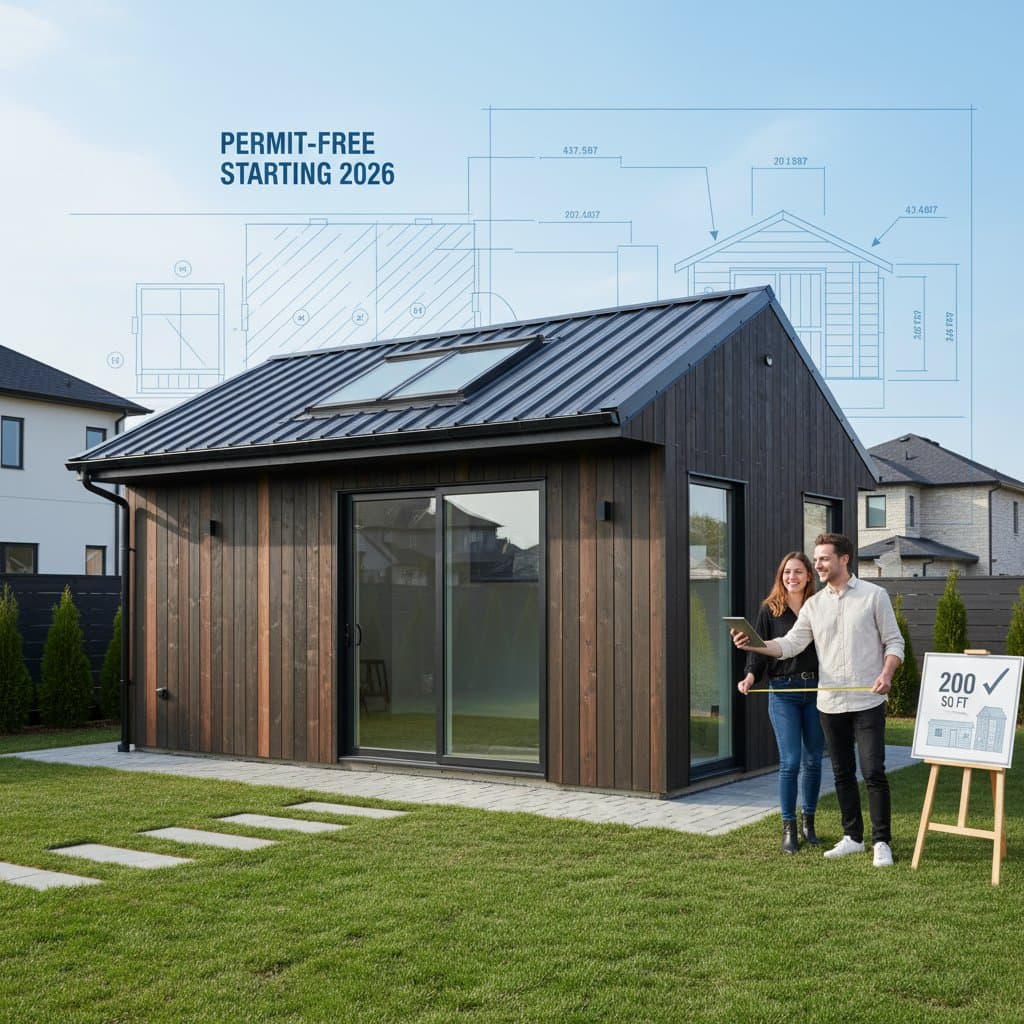
Unlock Permit-Free Sheds: Navigating the 2026 200 Square Foot Limit
New Square Footage Rules for Permit-Free Sheds in 2026
Homeowners often discuss the installation of larger backyard sheds without the need for permits. Regulations continue to evolve, providing greater opportunities for additional space while minimizing bureaucratic requirements. These updates simplify the process for those seeking practical expansions, though local variations demand careful review before construction begins.
The changes stem from a broader understanding of how homeowners utilize these structures. Beyond basic storage, sheds serve as dedicated workspaces, creative studios, or remote offices. Authorities recognize these shifts, yet enforce boundaries to ensure safety and uniformity across communities.
Key Elements of the Updated Regulations
Recent guidelines increase the allowable size for accessory buildings that bypass permitting in numerous areas. Thresholds typically range from 150 to 200 square feet, influenced by municipal zoning laws and required setbacks from boundaries.
This adjustment acknowledges the multifunctional role of sheds in modern lifestyles. However, exemptions apply only to the structure itself. Additions like electrical systems or water lines necessitate distinct approvals, a common oversight among independent builders.
Height limits, typically capped at 12 to 15 feet, and minimum distances from lot lines remain in effect. Exceeding these parameters invites regulatory scrutiny, potentially leading to costly modifications.
Evaluating Build Options: Independent Construction Versus Professional Services
Permit-free projects appear straightforward, yet errors in foundational work or roofing angles can result in moisture infiltration or instability over time. Assess personal skills and project scope to determine the best approach.
Independent construction suits scenarios where:
- Prefabricated components simplify assembly.
- The ground offers even terrain and easy access.
- Essential tools and an assistant are available.
Professional involvement proves essential in cases involving:
- Integration of power sources or fixtures.
- Proximity to neighboring properties.
- Desires for bespoke designs or elevated storage solutions.
Engaging certified experts incurs initial expenses but safeguards against infractions that might complicate property transactions. For self-directed efforts, document progress through photographs and retain purchase records to demonstrate adherence if inspections occur.
Essential Safety and Regulatory Practices
Compliance extends beyond size limits to encompass foundational safety protocols. Adhering to these measures protects investments and residents alike.
Follow these critical steps:
- Contact utility services prior to excavation to avoid striking buried lines, which could incur penalties.
- Secure the building against wind forces, particularly in exposed locations, using appropriate anchoring systems.
- Observe mandated separations, often at least five feet, from barriers or adjacent lots.
- Obtain specific authorizations for any electrical enhancements and employ qualified specialists.
- Adhere strictly to the size cap; even minor exceedances prompt comprehensive reviews and fees.
These practices function as safeguards, mitigating risks of conflicts or accidents in the future.
Enhancing Return on Investment and Home Appeal
A thoughtfully constructed shed contributes practical utility and elevates market desirability. While not classified as habitable area by evaluators, such additions appeal to prospective buyers seeking efficient organization or versatile areas.
Quality builds recover 60 to 70 percent of expenses upon sale. Incorporate features like thermal barriers or heat-reflective surfaces to minimize internal temperatures, thereby lowering energy demands in connected spaces.
Long-term residents benefit from these enhancements through sustained comfort and reduced maintenance needs. Select durable materials, such as treated lumber or metal siding, to ensure longevity and aesthetic integration with existing property elements.
Steps to Execute Your Project Successfully
Verify the precise size allowance through your jurisdiction's planning department, as adjacent locales may vary by up to 20 square feet. Review official documentation or consult staff to align plans with current standards.
For outsourced labor, solicit bids from no fewer than three providers and verify their familiarity with recent code revisions. Prioritize those with proven experience in compliant, efficient builds.
Consider enduring benefits during planning. A properly executed shed integrates seamlessly, providing reliable utility for years and enhancing overall property functionality.