Understanding Basement Waterproofing Costs in 2026: Multi-Layer Defense Strategies
Basement flooding poses a growing threat as climate patterns shift and infrastructure ages. Selecting the appropriate waterproofing retrofit prevents water intrusion, structural damage, and costly repairs. This guide explores system options, regional factors, and investment returns to help you protect your home effectively.
Technical Overview of Basement Waterproofing Systems
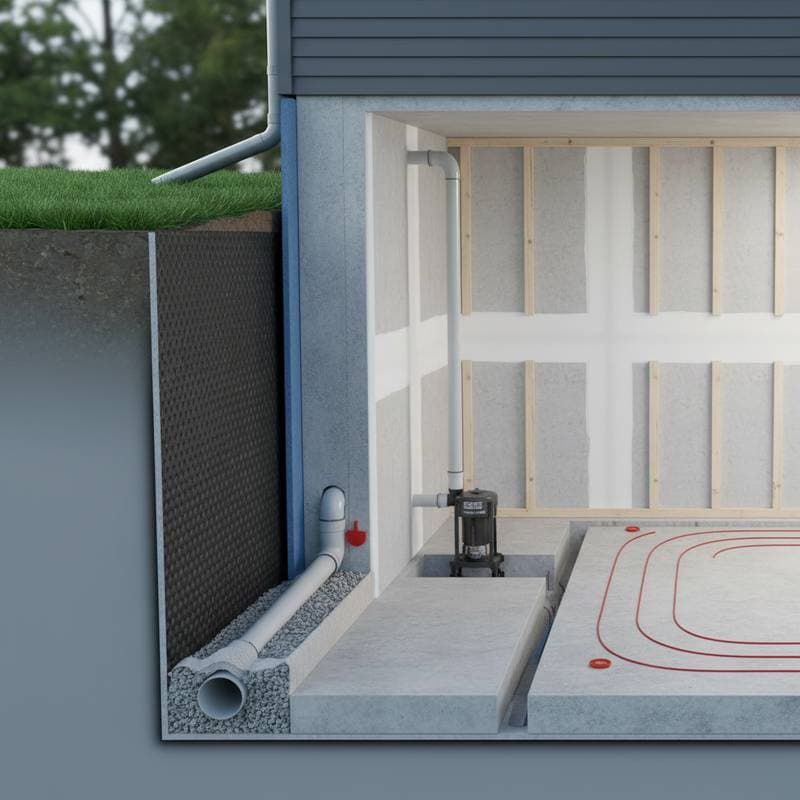
Basement waterproofing forms a comprehensive barrier against moisture from groundwater, rainfall, and soil saturation. These systems combine exterior and interior elements to redirect water and seal entry points. Key features include drainage channels that relieve hydrostatic pressure and barriers that block vapor transmission.
Exterior approaches apply protective membranes and install perimeter drains to capture water away from foundation walls. Interior methods use baseboard channels and sump pumps to handle any water that penetrates the structure. Factors such as soil type, water table depth, and foundation material guide the ideal setup for reliable performance.
Regional Factors Influencing Waterproofing Performance
Local conditions shape the effectiveness of waterproofing solutions. In coastal or humid areas, persistent pressure from rising groundwater requires heavy-duty membranes and extensive drainage networks. Clay soils hold water longer, increasing the need for enhanced exterior grading to promote runoff.
Sandy soils drain quickly but can channel sudden storm water toward foundations, necessitating rapid-response interior systems. Cold regions demand frost-resistant materials to withstand expansion and contraction during freeze-thaw cycles. High-rainfall warm zones rely on powered sump systems with battery backups for uninterrupted operation during extended storms.
Breakdown of Common Waterproofing System Types
Different systems suit varying project scopes and budgets. Exterior waterproofing excels in proactive protection but involves digging around the foundation. Interior options provide practical retrofits for existing homes with limited access.
| System Type | Key Components | Average Cost per Linear Foot | Maintenance Needs | Ideal Conditions |
|---|---|---|---|---|
| Exterior Waterproofing | Waterproof membranes, French drains, gravel backfill | $80 - $120 | Low | New builds or projects allowing excavation |
| Interior Drainage | Perimeter weeping tiles, sump pump, vapor barrier | $45 - $70 | Moderate | Retrofitting finished or urban basements |
| Crack Injection | Epoxy or polyurethane sealants | $10 - $25 | Low | Repairing isolated cracks or joints |
| Full Encapsulation | Sealed vapor barriers, rigid foam insulation, dehumidification | $100 - $150 | Low | Areas with high moisture or radon concerns |
Exterior systems often last 20 to 30 years with minimal upkeep, while interior setups manage ongoing moisture in constrained spaces.
Key Integration Steps for Home Systems
Waterproofing must align with your home's existing setup to avoid conflicts. Connect drainage pipes to sump pits or approved outlets, ensuring proper slope for efficient flow. Install sump pumps on circuits with ground-fault protection to enhance safety.
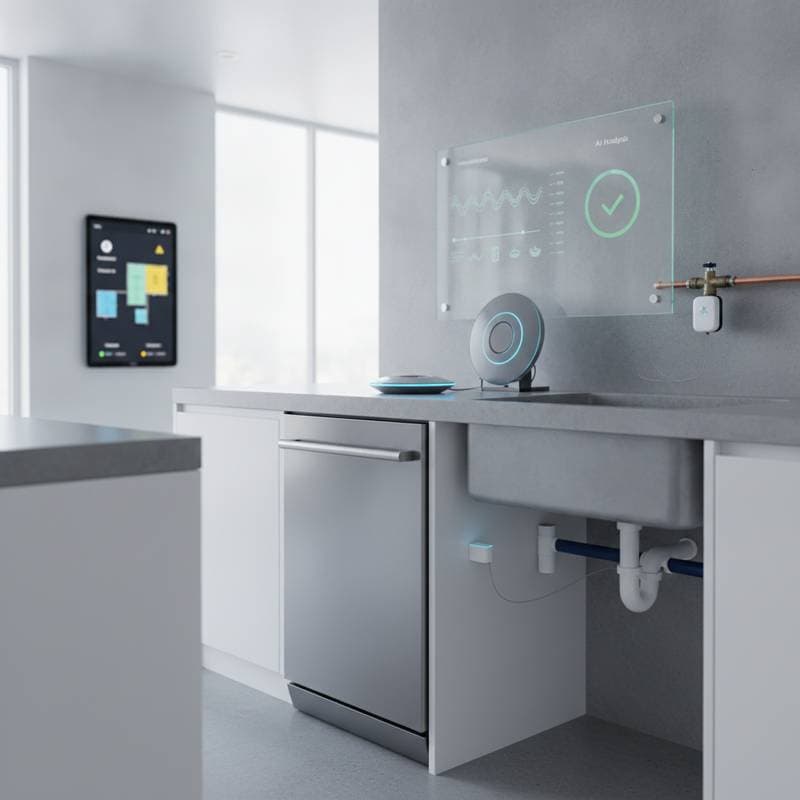
In finished basements, apply mold-resistant barriers that allow walls to breathe without retaining excess dampness. Pair the system with a dehumidifier to keep humidity under 50 percent, reducing risks of condensation on cooler surfaces. Integrate smart sensors for real-time alerts on pump activity, moisture levels, and potential breaches.
Analyzing Costs and Long-Term Benefits
Expect to invest $8,000 to $25,000 for a full professional retrofit, scaled by system complexity and site challenges. This upfront cost averts average flood cleanup expenses of $30,000 per event and extends foundation life by decades. Effective designs cut surrounding soil moisture by up to 90 percent and limit vapor flow to under 3 perms.
These improvements stabilize indoor climates, easing demands on heating and cooling systems while safeguarding insulation. Consider your climate zone for tailored projections.
| Climate Zone | Average Retrofit Cost | Expected Energy Savings | Payback Period (Years) |
|---|---|---|---|
| Zone 3 (Warm-Humid) | $9,000 | 10-15% | 6-8 |
| Zone 5 (Mixed) | $12,000 | 8-12% | 7-9 |
| Zone 7 (Cold) | $15,000 | 12-18% | 5-7 |
Professional Installation Guidelines
Hire certified contractors for excavations, electrical work, and system integrations to comply with codes. Membranes must adhere to standards like ASTM C836 for durability in damp environments. Ensure drain tiles pitch at a minimum of one inch per ten feet to direct water effectively to collection points.
For small fixes like crack sealing, homeowners can use DIY kits following product instructions. However, full installations benefit from expert assessment to prevent issues like uneven settling or pooled water that compromise stability.
Expert Advice for System Selection
Engage a structural engineer to evaluate your foundation through pressure tests and soil analysis. This identifies vulnerabilities such as hidden cracks or poor drainage patterns. An energy specialist can quantify gains in efficiency and air quality from reduced moisture.
Prioritize contractors with proven experience in your region's conditions. Request detailed plans outlining materials, timelines, and warranties to ensure a sound investment.
Strategies for Ongoing Maintenance
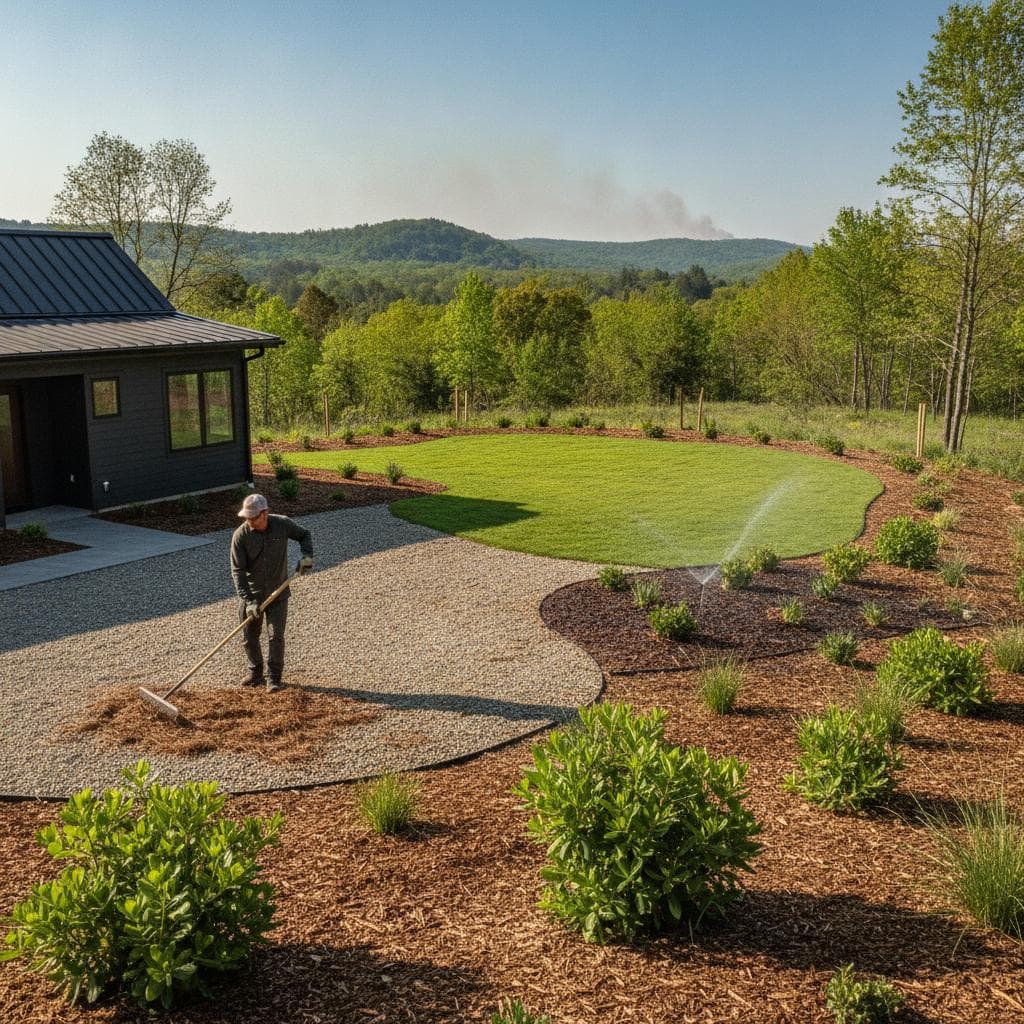
Test sump pumps quarterly by simulating water flow and check for clogs in discharge lines during spring cleanups. Maintain a gentle slope in yard grading, at least six inches drop over ten feet, to steer surface water clear of the foundation.
Inspect sealants and joints annually, resealing any gaps promptly. Update backup batteries and valves every two to three years to guarantee functionality during outages or surges.
Taking Action to Protect Your Basement
Start by scheduling a site inspection to assess your specific risks and options. Compare quotes from vetted professionals, focusing on systems that match your budget and local climate. Implementing these measures now secures your home against future floods and preserves its value for years ahead.