Key Takeaways
- Intensified rainfall and evolving weather patterns heighten basement flood vulnerabilities, positioning waterproofing as a critical initiative for homeowners.
- Prompt attention to cracks, wall sealing, and exterior drainage management prevents thousands of dollars in potential repair expenses.
- A multi-layered strategy incorporating grading, sump pumps, and interior sealants delivers the strongest enduring safeguard.
Highlights
- Exterior interventions redirect water from the foundation perimeter.
- Interior waterproofing repels moisture that penetrates barriers.
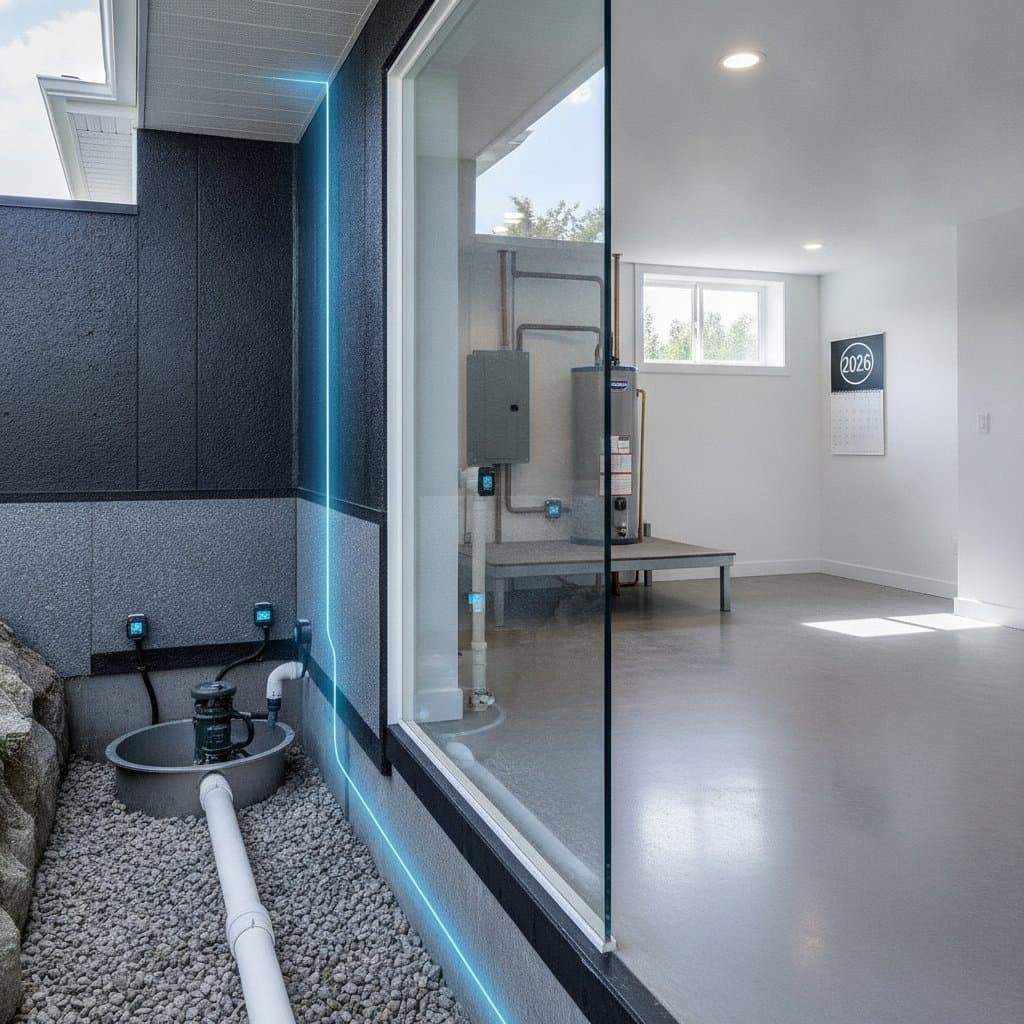
- Sump pumps and drainage networks manage ingress water effectively.
- Routine inspections identify potential leaks early to mitigate escalation.
Waterproofing Your Basement from the Exterior
Overview: Prioritize measures that prevent water contact with basement walls in the first place.
Exterior waterproofing emphasizes the redirection of precipitation and control of soil saturation. Key components include the following steps:
- Regrade the surrounding yard to create a gentle slope, typically one inch per foot, directing surface water at least five to ten feet away from the foundation.
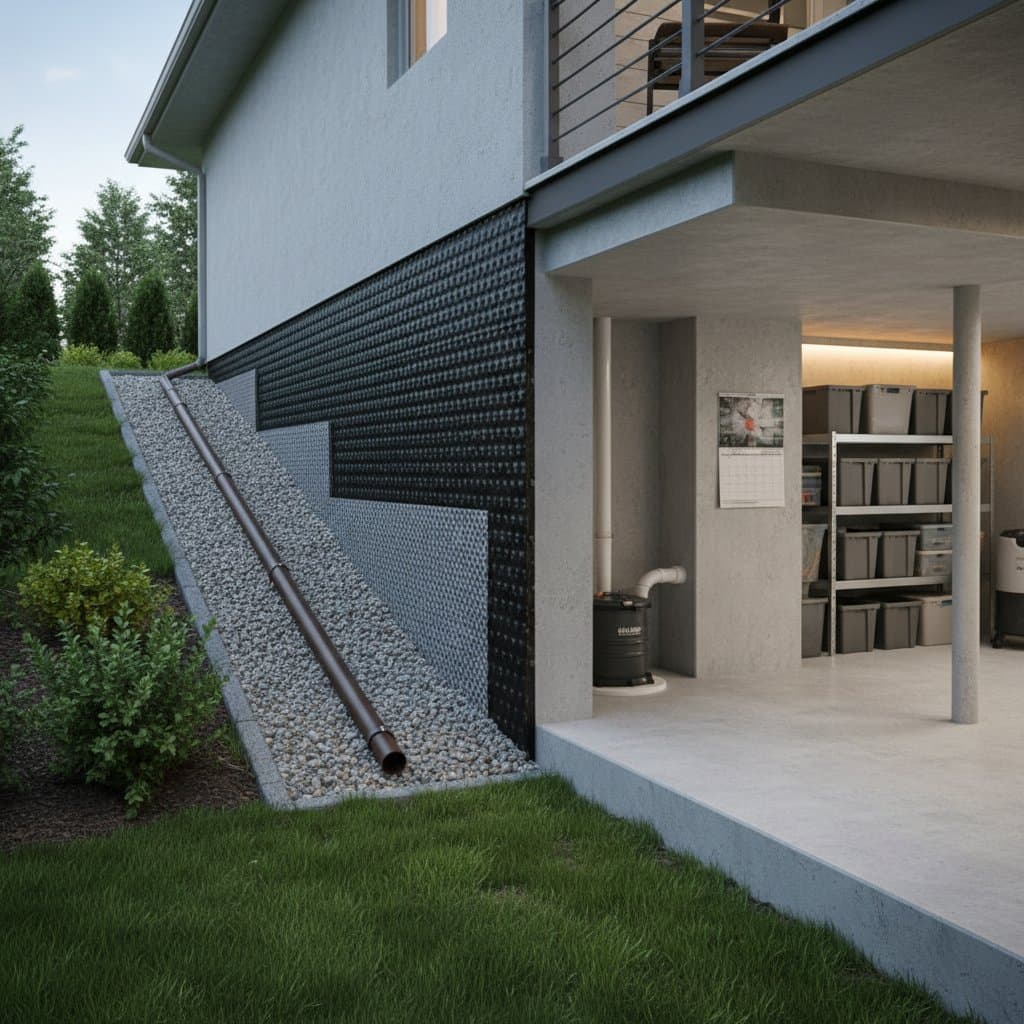
- Install French drains consisting of perforated pipes wrapped in gravel, buried along the foundation footer to channel subsurface water to a safe discharge point, such as a storm sewer or dry well.
- Apply a waterproof membrane to exterior foundation walls, using materials like bituminous coatings or rubberized sheets that adhere directly to concrete surfaces for a durable seal.
- Extend downspouts with splash blocks or flexible piping to route roof runoff far from the house, ensuring extensions reach beyond the drip line of overhanging trees.
These exterior methods provide the most comprehensive defense but involve significant disruption, such as digging trenches around the home. They prove most practical during new builds or alongside extensive yard renovations. Homeowners should consult local soil tests to account for clay-heavy ground, which retains moisture longer than sandy types.
| Exterior Solution | Approximate Cost Range | Lifespan | Primary Benefit |
|---|---|---|---|
| Grading correction | $1,000–$5,000 | 10–15 years | Swift redirection of surface runoff |
| French drain system | $2,000–$10,000 | 20+ years | Effective management of underground moisture |
| Foundation membrane | $3,000–$15,000 | 25+ years | Robust barrier against water intrusion |
Selecting the Optimal Long-Term Protection System
The ideal system varies based on a home's soil composition, terrain slope, and structural design, yet professionals consistently advocate for a hybrid approach.
Begin with exterior enhancements, such as adjusting grades and clearing gutters to eliminate immediate threats. Transition indoors to apply sealants on walls and floors, then integrate a sump pump basin in the lowest point to collect and expel accumulated water. This combination fortifies resilience; for instance, if exterior grading fails during heavy saturation, interior barriers and pumps activate as secondary lines of defense.
Full implementation costs span from $2,000 for basic interior treatments to $20,000 or more for extensive exterior overhauls. Such investments pale in comparison to flood recovery expenses, which often exceed $10,000 for mold remediation, structural drying, and material replacements alone. Evaluate your property's flood zone via local maps to prioritize urgency.
Homeowner FAQ
1. Is waterproofing necessary for a basement that has never experienced flooding?
Yes, proactive measures remain essential. Current dryness offers no guarantee against future shifts in weather or gradual settling of soil that alters drainage paths. Preventive actions cost a fraction of emergency restorations, typically saving 70 percent or more on long-term expenses.
2. What is the expected durability of waterproofing systems?
Properly maintained interior systems endure approximately 20 years, while exterior membranes and drainage installations often exceed 25 years. Factors like material quality and environmental exposure influence longevity; annual inspections extend performance.
3. Is it feasible to waterproof a completed basement?
Waterproofing remains possible, though it requires partial removal of drywall, flooring, or insulation to access walls and floors. Experts recommend addressing waterproofing prior to finishing to avoid disruptions and ensure thorough coverage.
4. Do sump pumps function reliably during electrical outages?
Standard models cease operation without power, but those equipped with battery backups or generator hookups maintain functionality. Invest in a system with at least 12 hours of reserve power to cover prolonged storm-induced blackouts.
5. When should professional assistance be sought for waterproofing?
Engage experts upon noticing persistent damp patches, efflorescence on walls, buckling paint, or persistent musty smells. These signs indicate active moisture intrusion that demands specialized tools for accurate diagnosis and repair.
6. How does local climate influence waterproofing choices?
In regions with high water tables or frequent downpours, prioritize exterior drains and pumps. Arid areas may focus more on interior sealants to combat occasional heavy events.
Sustaining Your Basement's Dryness
After implementing waterproofing, integrate ongoing care to preserve effectiveness. Operate a dehumidifier to maintain humidity below 50 percent, elevate storage items on shelves or pallets, and inspect drainage components biannually for clogs or wear.
A protected basement expands livable area, bolsters foundational integrity, and improves indoor air circulation by reducing mold risks. These steps not only fortify your home against impending 2026 flood projections but also enhance overall property resilience and comfort during adverse weather.