Understanding Multigenerational Layouts
Multigenerational layouts refer to home designs that accommodate multiple family generations under one roof. These configurations address the growing need for shared living spaces as housing affordability declines and family structures evolve. In tight markets, where inventory remains low, such adaptations position properties as premium options for buyers seeking long-term solutions.
Homeowners increasingly recognize the practical advantages of these layouts. They foster closer family bonds while providing privacy through dedicated zones. As urban areas face density pressures, integrating multigenerational elements becomes a strategic way to enhance livability without relocating.
The Value Proposition in Tight Markets
In competitive housing environments, multigenerational layouts stand out by offering built-in flexibility. Properties with these features often command higher prices because they appeal to diverse buyer demographics, from young families to aging parents. Real estate data indicates that homes with adaptable spaces sell 20 to 35 percent faster and at elevated values compared to standard single-family designs.
Beyond resale potential, these layouts reduce ongoing costs. Shared utilities and maintenance lower per-person expenses, making homes more economical over time. Buyers view such properties as investments that adapt to life changes, from welcoming grandchildren to supporting remote work setups.
The 2026 housing forecast emphasizes this trend. With interest rates stabilizing and construction costs rising, remodels that incorporate multigenerational elements yield strong returns. Homeowners who invest now can future-proof their assets against market fluctuations.
Key Design Elements for Modern Families
Effective multigenerational designs prioritize separation and connectivity. In-law suites provide private bedrooms, bathrooms, and kitchens within the main structure, allowing independent living while maintaining access to shared areas. These additions typically range from 400 to 800 square feet and integrate seamlessly with existing footprints.
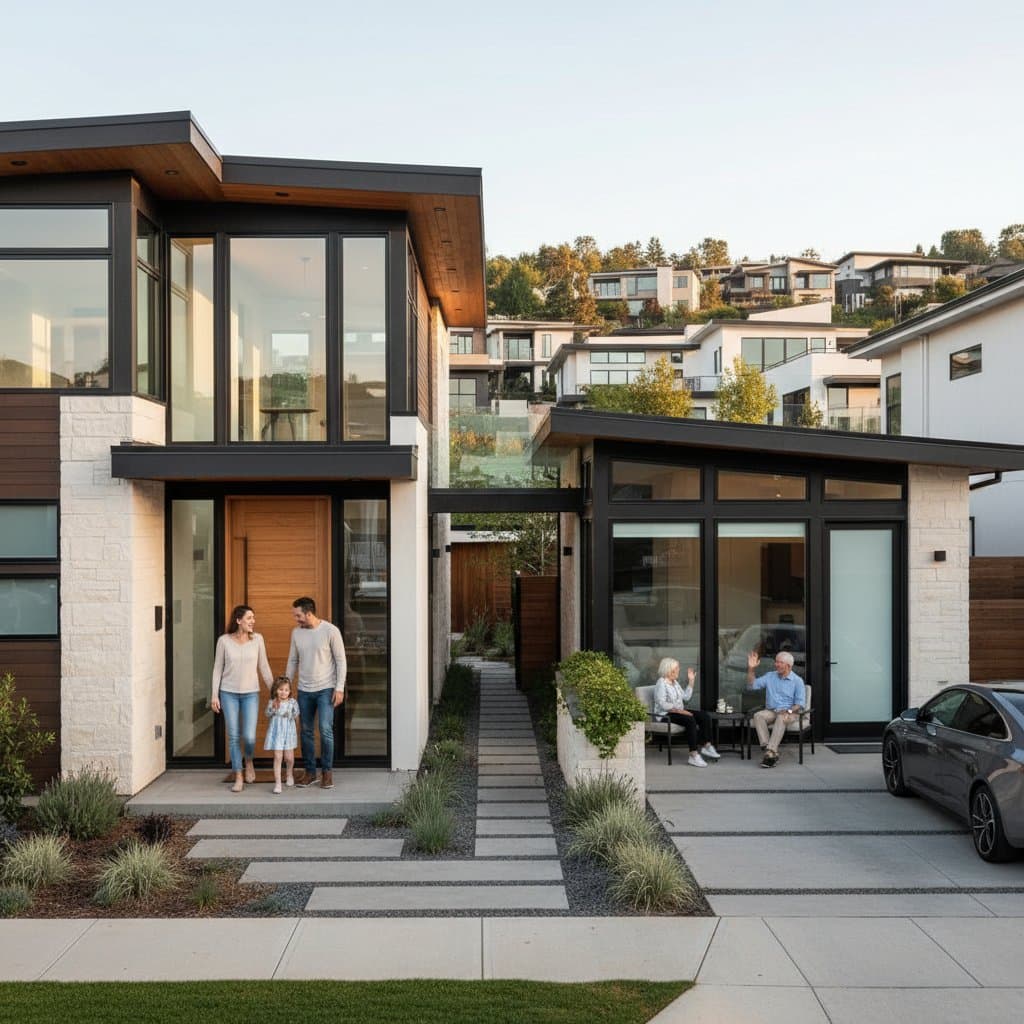
Accessory dwelling units (ADUs) offer another versatile option. Detached or attached, ADUs create standalone spaces ideal for elderly relatives or adult children. Local zoning laws increasingly permit these units, especially in suburban and urban fringes, to combat housing shortages.
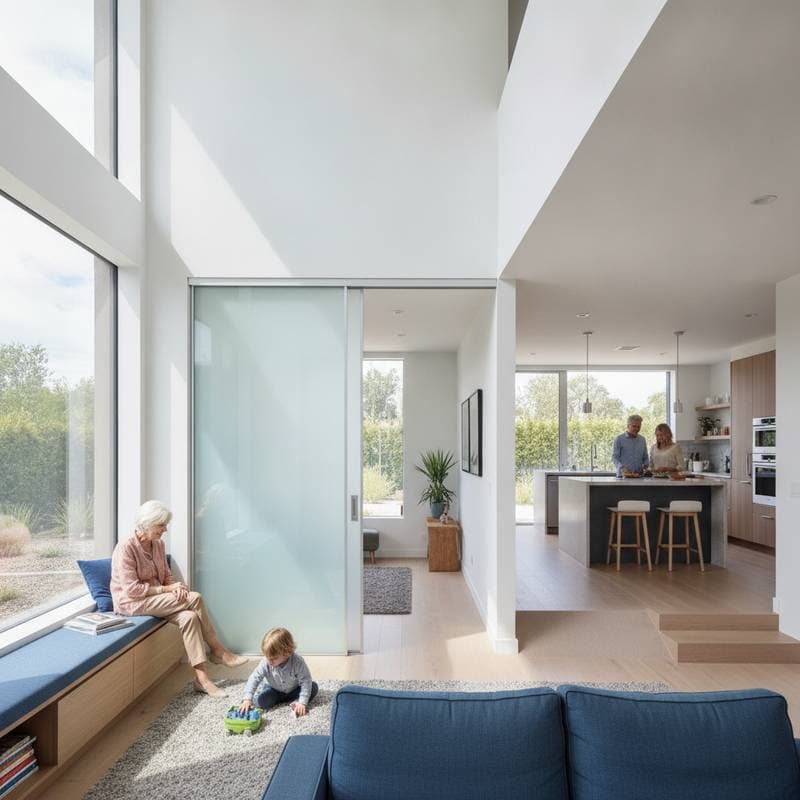
Open-plan configurations enhance flow between generations. Kitchens that open to family rooms encourage interaction, while soundproofed walls ensure personal space. Incorporating universal design principles, such as wide doorways and zero-step entries, benefits all ages and improves overall accessibility.
Budgeting for a Successful Remodel
Planning a multigenerational remodel requires careful financial assessment. Start by evaluating current home equity and consulting local contractors for cost estimates. Basic in-law suite additions average 50,000 to 100,000 dollars, depending on materials and location, while ADUs may range from 80,000 to 150,000 dollars.
Allocate funds across structural changes, permits, and finishes. Prioritize energy-efficient appliances and insulation to qualify for rebates, which can offset 10 to 20 percent of expenses. Secure financing through home equity loans or renovation-specific programs to spread costs over time.
Track every phase to avoid overruns. Engage architects early to align designs with budget constraints. This approach ensures the project delivers maximum value without compromising quality.
Timing Your Remodel for 2026 Gains
The ideal remodel timeline aligns with market cycles and personal needs. Begin planning in late 2025 to capitalize on projected inventory growth in 2026. Early action allows time for permits and construction during off-peak seasons, potentially reducing labor costs by 15 percent.
Assess family requirements first. Discuss space needs with all generations involved to customize the layout effectively. Seasonal factors, such as milder weather in spring, facilitate smoother builds and minimize disruptions.
Monitor economic indicators like material prices and interest rates. A well-timed project not only enhances immediate comfort but also positions the home for optimal resale timing. Patience in planning yields substantial long-term rewards.
Realizing Long-Term Benefits
Multigenerational layouts transform homes into enduring family hubs. They support emotional well-being by keeping loved ones close during key life stages. Financially, these designs hedge against rising rental costs and provide rental income potential from unused spaces.
Property owners report higher satisfaction with adaptable homes. The flexibility accommodates unexpected changes, such as health needs or career shifts. In essence, these layouts create legacies of stability and shared prosperity.
Steps to Start Your Multigen Transformation
Evaluate your home's potential with a professional assessment. Identify zones for private and communal use based on family input. Develop a detailed plan that balances design innovation with practical budgeting.
Secure necessary approvals and hire vetted professionals. Proceed with phased construction to maintain livability throughout the process. Finally, celebrate the enhanced space that serves your family now and in the years ahead.