Key Takeaways
- Flood resistant flooring materials reduce long term repair costs and may qualify your home for insurance discounts.
- Vinyl, porcelain tile, and sealed concrete perform best in moisture prone spaces.
- Proper installation and maintenance are as important as material choice for keeping floors dry and claims low.
What Counts as Flood Proof Flooring
Flood proof flooring refers to materials that resist water absorption, warping, and mold growth even after full exposure to water. These materials hold structural integrity during flooding, making cleanup faster and less costly. Homeowners in flood prone zones or coastal areas often turn to these solutions for their durability and insurance advantages.
Highlights
- Low absorption rate keeps moisture from seeping into subfloors.
- Easy to clean reduces mold and bacteria buildup.
- Insurance benefits include possible lower premiums for resilient materials.
- Long lifespan allows high quality flood resistant floors to last decades with minimal upkeep.
Which Flooring Materials Withstand Flooding Best
Porcelain tile, luxury vinyl, and sealed concrete offer the highest flood resistance with minimal maintenance. Each material performs differently depending on climate, room usage, and design preferences. The following breakdown covers options that balance durability, aesthetics, and cost.
| Flooring Type | Water Resistance | Maintenance | Average Cost (per sq. ft.) | Design Versatility |
|---|---|---|---|---|
| Porcelain Tile | Excellent | Low | $4 - $12 | High |
| Luxury Vinyl Plank (LVP) | Very Good | Low | $3 - $8 | High |
| Sealed Concrete | Excellent | Very Low | $2 - $6 | Moderate |
| Engineered Vinyl Tile (EVT) | Very Good | Low | $3 - $9 | High |
| Rubber Flooring | Good | Low | $6 - $10 | Limited |
Porcelain Tile
Porcelain tile is nearly impervious to water. It works well in basements, bathrooms, and kitchens where flooding or leaks are more likely. The tile dense structure resists swelling and cracking. Proper sealing helps prevent subfloor damage if water reaches underneath.
Luxury Vinyl Plank (LVP)
LVP combines the look of hardwood with moisture protection. The planks are made of rigid core layers that keep water from penetrating. Many brands now offer fully waterproof lines ideal for ground level or basement installations. Homeowners appreciate the warm feel underfoot and quick installation compared to ceramic tile.
Sealed Concrete
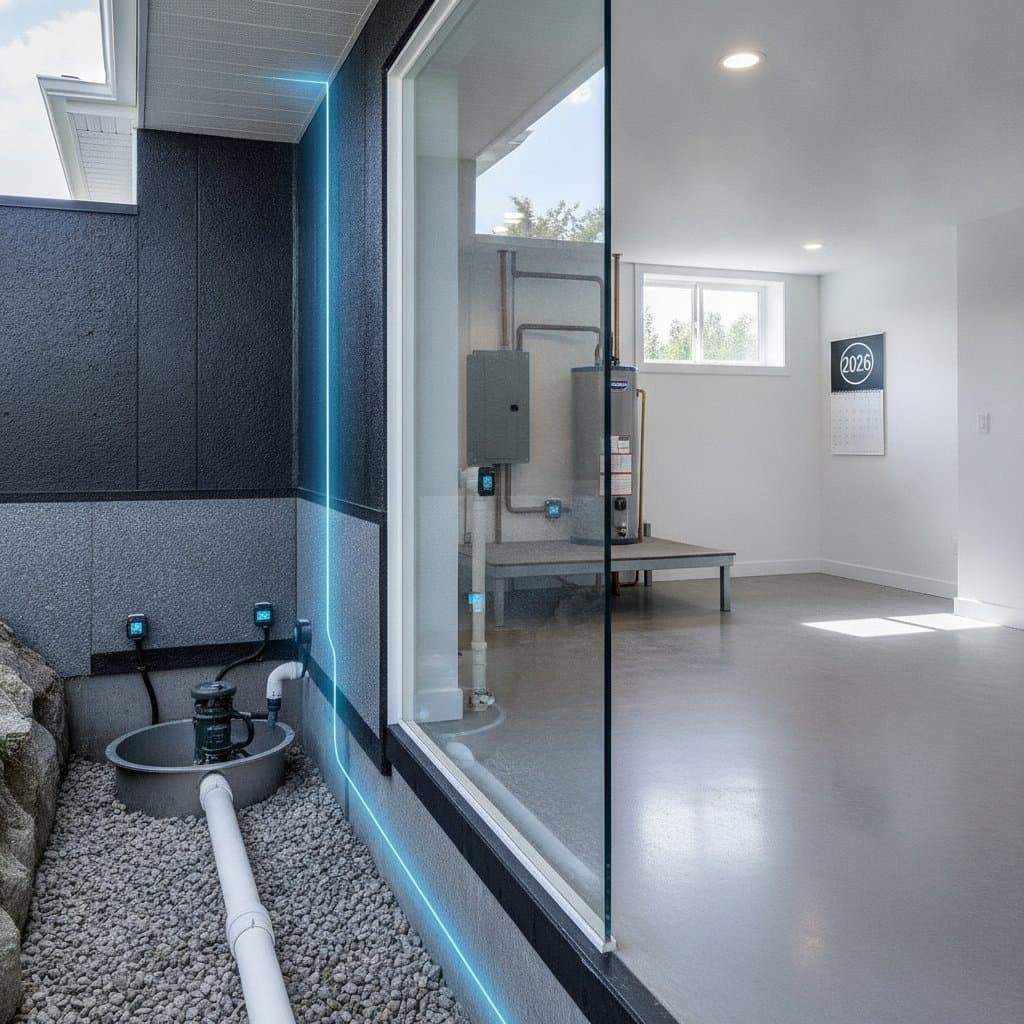
Concrete might seem utilitarian, but polished and sealed finishes have gained popularity for modern interiors. When properly sealed, concrete resists water and staining, turning potential flood cleanup into a simple mop and dry task. Its industrial aesthetic fits minimal and contemporary spaces equally well.
Engineered Vinyl Tile (EVT)
EVT is a hybrid flooring option that performs better than standard vinyl sheet flooring. It combines rigid core technology with a waterproof top layer. Its strength prevents buckling when submerged. EVT often mimics stone or ceramic finishes, giving homeowners design flexibility without the heaviness of real stone.
Rubber Flooring
Rubber flooring, often seen in gyms, has excellent water resistance and cushioning. It is practical for laundry rooms or utility areas where standing water can occur. The downside is limited design variety, yet it suits functional spaces more than decorative ones.
Can Flood Proof Flooring Lower Home Insurance Costs
Many insurers recognize flood resistant materials as a preventive measure that can lower claim risks, leading to possible premium reductions. When you install flooring that can withstand flooding, you reduce the likelihood of expensive damage claims. Insurers favor homes with mitigation improvements. Documenting your upgrades often helps during renewal or evaluation.
Factors That Influence Discounts
- Location risk level benefits homes in mapped flood zones most.
- Material certification applies when some flooring brands carry waterproof warranties acknowledged by insurers.
- Installation quality improves when professional sealing and underlayment reduce future claims.
- Preventive systems increase discounts when paired with sump pumps or drainage improvements.
Real World Example
A homeowner who replaces carpet with porcelain tile throughout a basement may see lower repair estimates and faster claims processing after a storm event. Insurers recognize that tile and sealed concrete minimize labor intensive restoration, which translates into lower payouts.
How Should You Prepare Floors for Flood Prone Areas
Combine water resistant materials with proper subfloor sealing, drainage, and baseboard finishes to create a full flood proof system.
Preparation Steps
- Evaluate the subfloor to ensure the foundation is level and free from cracks.
- Apply waterproof membranes using moisture barriers or coatings before installing tile or vinyl.
- Seal joints and edges by caulking around walls and fixtures to prevent seepage.
- Use elevated transitions such as small ramps or thresholds to keep water from spreading between rooms.
- Choose water resistant baseboards made of PVC or composite trims that resist moisture better than wood.
Maintenance Tips
Reseal concrete floors every few years to maintain their resistance. Inspect joints and grout lines for small cracks after major weather events. Keep floor drains clear, especially in basements or laundry areas. Avoid adhesives not rated for wet conditions.
Are There Style Trends in Flood Proof Flooring
Flood proof flooring is now stylish as well as practical, with trends moving toward large format tiles, neutral color palettes, and textured finishes. Design has caught up with performance. Homeowners no longer need to choose between beauty and resilience.
Current Design Directions
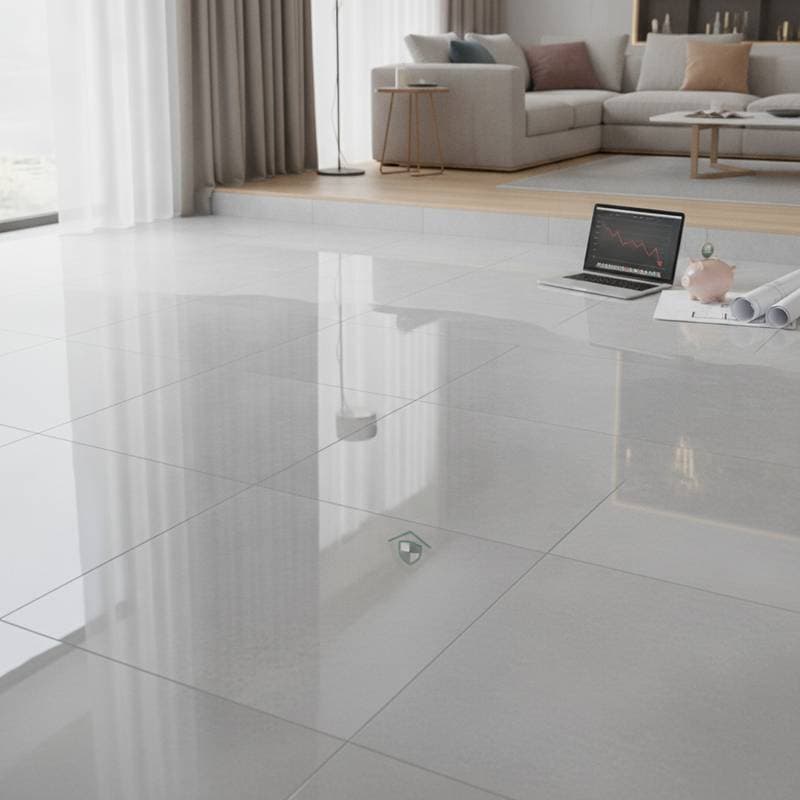
Large format porcelain tiles create fewer seams, which means fewer weak spots for water. Natural stone looks in vinyl provide warmth and authenticity without the maintenance of real stone. Matte sealed concrete offers a soft industrial finish that complements modern decor. Warm neutrals and pale grays reflect light and disguise minor water stains.
Common Questions About Flood Proof Flooring
Will flood resistant flooring completely prevent water damage
Not entirely. These materials resist absorption, but standing water can still affect walls, cabinets, and electrical systems. Combined with proper drainage, they significantly reduce the scope of damage.
Can I install flood proof flooring myself
Yes, some materials like click lock vinyl planks are DIY friendly. For tile or concrete, professional sealing and leveling ensure full protection. Incorrect installation can void warranties or weaken protection.
How long does flood proof flooring last
Porcelain and sealed concrete can last several decades. Vinyl products may need replacement after about two decades depending on wear. Regular sealing and inspection extend lifespan.
Are flood proof floors slippery when wet
Some finishes, like matte tiles or textured vinyl, offer slip resistance. Always check slip ratings if you expect frequent moisture exposure.
Does flood proof flooring increase resale value
Yes. Buyers appreciate low maintenance, water resistant finishes, especially in regions prone to storms or heavy rain. It signals a thoughtful investment in durability and prevention.
Sustaining Long Term Performance
Flood proof flooring improves everyday living by keeping floors cleaner and fresher in humid seasons. Schedule regular inspections, reseal as needed, and maintain good room ventilation. These small steps preserve both appearance and performance.