Key Takeaways
- New wildfire insurance rules will require ember resistant screens on vents and openings for homes in high risk zones.
- Ember screens act as a first line of defense against airborne embers that can ignite roofs, attics, and crawl spaces.
- Homeowners who upgrade early may qualify for lower premiums and better wildfire coverage options.
What Are Ember Screens and Why Are They Required?
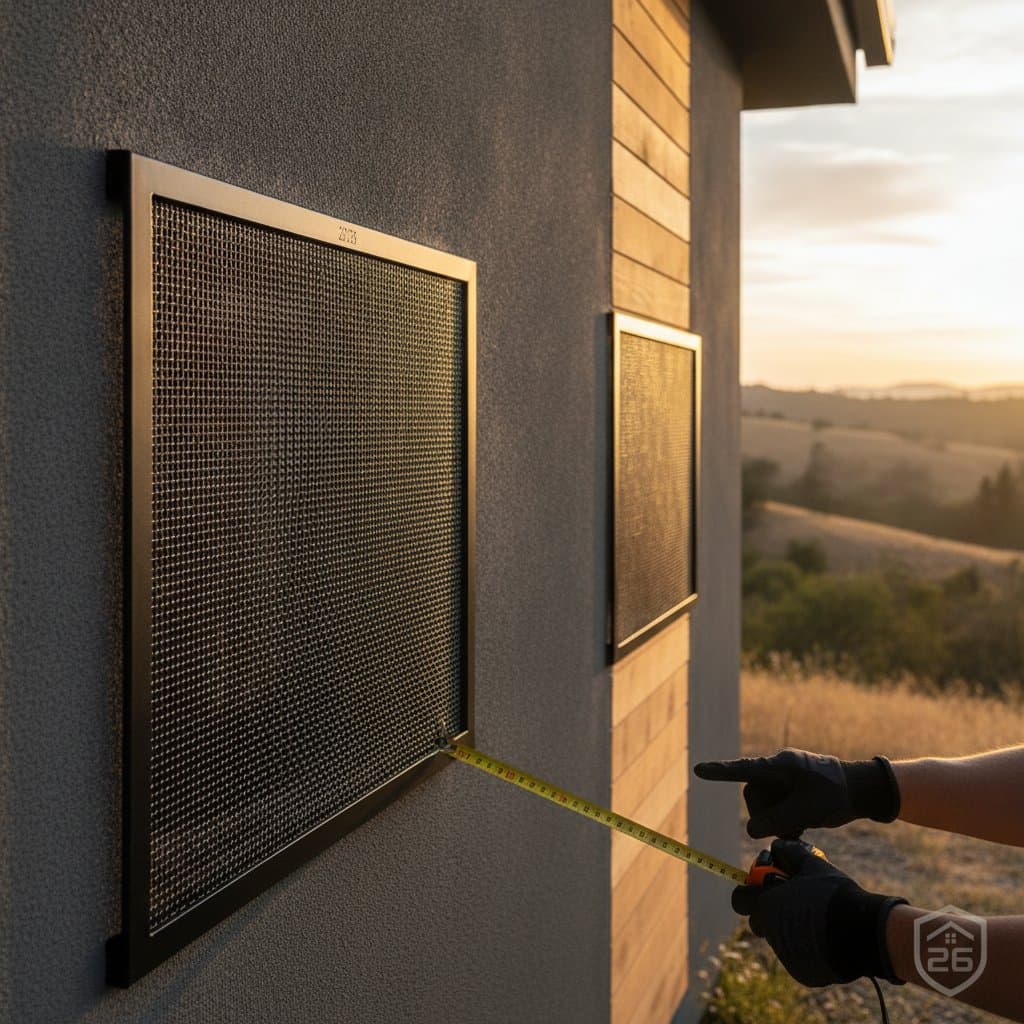
Ember screens are fine metal mesh barriers that prevent burning debris from entering a home during wildfires. New insurance requirements now make them mandatory for properties in wildfire prone areas.
Ember screens block tiny, wind driven embers that can slip through attic vents or under eaves. Once inside, those embers can ignite insulation, wood framing, or debris. Insurers are tightening standards after observing how often homes survived fires due to ember protection.
These screens are typically made from stainless steel or bronze mesh with openings no larger than one eighth of an inch. That size blocks embers while still allowing air circulation for attic ventilation.
Material and Performance Details
- Stainless steel and bronze provide the most reliable performance.
- Openings of one eighth inch or smaller meet most wildfire code standards.
- Quality screens last decades with minimal maintenance.
- Homes with certified ember screens often qualify for rate discounts.
How Ember Screens Protect a Home
They stop glowing embers before the embers reach flammable materials inside the structure. During a wildfire, most homes ignite from embers carried by wind rather than direct flames. These embers can travel miles and land on roofs, decks, or vent openings.
If an attic vent uses only a standard insect screen, embers slip through and start fires inside the attic. An ember resistant screen filters out those sparks while maintaining airflow. It prevents ignition points while keeping the ventilation system functional.
A properly installed ember screen can reduce the likelihood of structure loss by more than half according to insurance field studies. Many fire safe communities now encourage or require them as part of a home hardening strategy that also includes clearing vegetation and sealing gaps around eaves.
Insurance Rule Requirements
Homeowners in designated wildfire risk areas must install approved ember screens on exterior vents and other vulnerable openings to maintain insurance eligibility. Insurance companies have begun updating wildfire defense requirements to reflect fire science data. Homes without ember screens may face policy non renewal or higher deductibles.
To meet compliance, insurers generally expect screened attic, foundation, and gable vents with non combustible mesh. Soffit and eave vents must also prevent ember intrusion. Installation must keep mesh flush with the vent frame and free of gaps. Periodic inspection confirms the screen remains intact and corrosion free.
| Requirement | Description | Typical Material | Insurance Benefit |
|---|---|---|---|
| Attic vents | Covered with one eighth inch metal mesh | Stainless steel | May qualify for premium credit |
| Foundation vents | Screened for ember entry | Galvanized steel | Maintains fire coverage eligibility |
| Soffit vents | Sealed and screened | Bronze or aluminum | Reduces fire risk rating |
| Gable vents | Retrofitted with fine mesh | Stainless steel | Supports compliance certification |
These rules strengthen property resilience and help keep insurance available in fire prone regions.
Installation Costs
Expect to spend between two hundred and eight hundred dollars for a typical single family home, depending on vent quantity and material choice. For most houses, replacing existing insect screens with ember rated mesh is a straightforward retrofit. Stainless steel mesh costs more but resists corrosion and heat better than aluminum. Bronze offers a softer finish that suits historic or coastal homes.
Smaller installations can often be completed with tin snips, a screwdriver, and metal screws. For larger or multi vent systems, a contractor ensures consistent sealing and code compliance. Labor costs typically range from seventy five to one hundred fifty dollars per vent when professionally installed.
The investment pays off through reduced fire risk and possible insurance discounts. Some local fire districts or state programs offer rebates for wildfire hardening upgrades such as ember screens, defensible space clearing, and fire rated roofing.
Limitations and Complementary Measures
Ember screens are a vital layer of defense but work best when combined with other fire safe upgrades. While they prevent interior ignition, homes remain vulnerable to radiant heat and direct flame contact. Experts recommend pairing screens with fire resistant roofing materials such as metal or composite shingles. Defensible space zones cleared of flammable plants and debris add further protection. Metal gutters and downspouts resist melting, and tempered glass windows reduce breakage from heat.
Together these measures create a whole home wildfire defense system. Ember screens represent one of the most cost effective starting points.
Consequences of Non Compliance
Non compliance can lead to higher premiums or denial of wildfire coverage. Insurance companies are moving toward proactive prevention rather than reactive payouts. If a home lacks ember screens in a flagged wildfire zone, the insurer may require proof of installation before renewing coverage, increase the deductible for wildfire claims, or deny replacement coverage if a fire loss occurs due to ember intrusion.
Homeowners in moderate risk zones may still receive grace periods, yet compliance will soon become standard. Upgrading early avoids last minute installation rushes and keeps properties ahead of regulatory changes.
Answers to Common Questions
Properly installed ember screens maintain adequate ventilation while blocking embers. Choose mesh no finer than one eighth inch to keep air movement balanced. Only metal mesh rated for ember resistance meets insurance and fire code requirements. Plastic and fiberglass can melt under high heat.
Handy homeowners can retrofit vents using pre cut ember mesh panels. For multi story homes or complex rooflines, professional help ensures safety and compliance. Inspect screens twice a year or after major wind events. Remove debris and dust to maintain airflow and check for corrosion.
Some insurers apply discounts immediately after verification. Others adjust rates at renewal once proof of installation is submitted.
Protecting Long Term Value
Installing ember screens safeguards a home from wildfire damage while meeting new insurance requirements. Once in place, the screens require little upkeep beyond occasional cleaning and inspection. Combined with smart landscaping and non combustible materials, ember screens improve resilience and support continued coverage in high risk areas.