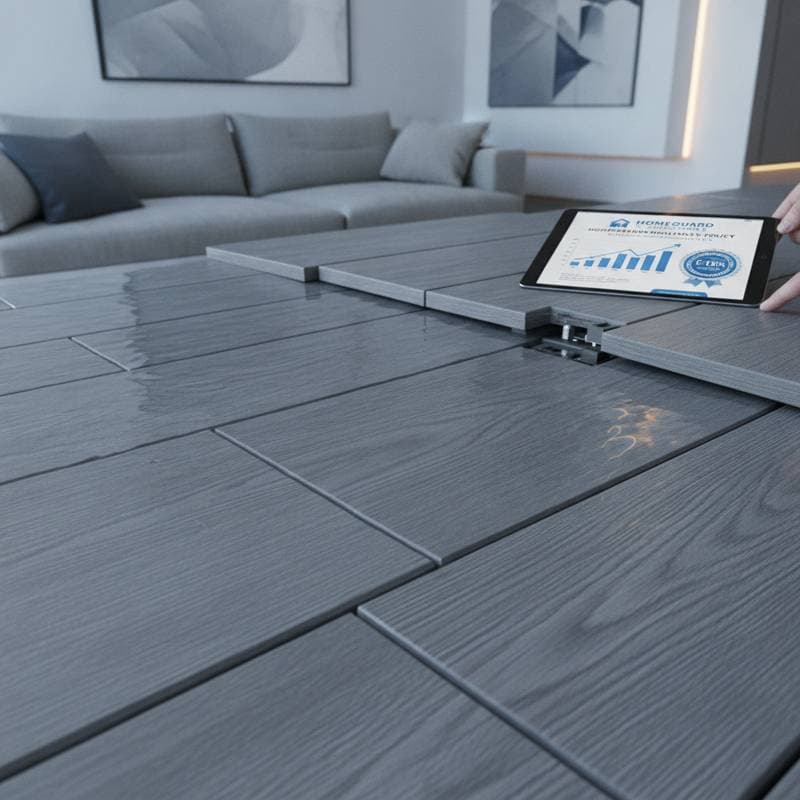
Flood Resistant Flooring That Reduces Insurance Premiums
Water damage can destroy flooring, ruin furniture, and lead to expensive repairs. Homes in flood prone areas face particular risks when even a few inches of water accumulate. Selecting appropriate flood resistant flooring protects the property and may qualify the owner for insurance discounts. Proper material selection combined with correct installation reduces future repair expenses and supports lower premiums.
Core Characteristics of Flood Resistant Flooring
Flood resistant flooring withstands direct water contact without warping, swelling, or structural failure. Effective materials repel moisture, dry rapidly, and inhibit mold development. Insurers view these products as lower risk and may offer premium reductions when documentation proves compliance. Always verify that the chosen product carries a waterproof rating rather than a water resistant classification.
Water resistant floors tolerate occasional spills yet often fail under prolonged submersion. Waterproof floors maintain integrity after hours of exposure when installed over a sealed subfloor and appropriate underlayment.
Cost Components to Evaluate
Final project expenses depend on several factors.
- Subfloor condition may require repairs that add between one thousand and three thousand dollars before new flooring can be placed.
- Removal of existing materials typically ranges from one dollar fifty to two dollars fifty per square foot.
- Application of sealants or waterproof membranes adds one to three dollars per square foot and supports insurance acceptance.
- Regional labor rates rise in flood frequent zones when certified contractors are required.
- Decorative finishes such as stained concrete or patterned tile increase both material and labor outlays.
Insurance Discount Eligibility
Insurers provide premium reductions of five to fifteen percent for documented flood mitigation upgrades. Submission of invoices and manufacturer specifications confirms that the flooring meets required standards. Many carriers accept only products that satisfy FEMA flood resistant material guidelines or local building codes.
Class 4 or Class 5 flood resistance ratings indicate the ability to endure extended water exposure without degradation. Combining flooring improvements with other measures such as sump pump installation can yield additional savings.
Indicators of Installation Problems
Monitor the floor during the first several weeks after placement.
- Soft or spongy areas suggest trapped moisture beneath the surface.
- Gaps or lifting edges point to inadequate sealing or substrate movement.
- Persistent odors or discoloration signal early mold formation.
Contact the installer promptly if any of these conditions appear. Claims may be rejected when damage stems from faulty workmanship rather than flooding.
Long Term Value and Maintenance
Flood resistant flooring improves indoor air quality by limiting mold growth and can increase resale value. Properties equipped with waterproof materials in flood zones often sell for three to five percent more than comparable homes with conventional floors. Annual insurance savings between one hundred fifty and four hundred dollars are common when upgrades receive proper documentation.
Routine care involves cleaning with mild detergents, avoiding abrasive tools, and resealing tile or concrete surfaces every few years. With consistent attention these floors remain serviceable for decades.
Next Steps for Homeowners
Begin by determining the property flood risk level through local maps or insurance assessments. Select a flooring type that satisfies both aesthetic preferences and insurer requirements. Retain all installation records and notify the insurance provider once work is complete to activate potential discounts.