Understanding the 2026 Flood Insurance Changes
New insurance guidelines take effect in 2026. They require basements to resist water intrusion during heavy storms. Homes that meet the standards receive lower premiums. Homes that fall short face higher rates or coverage limits.
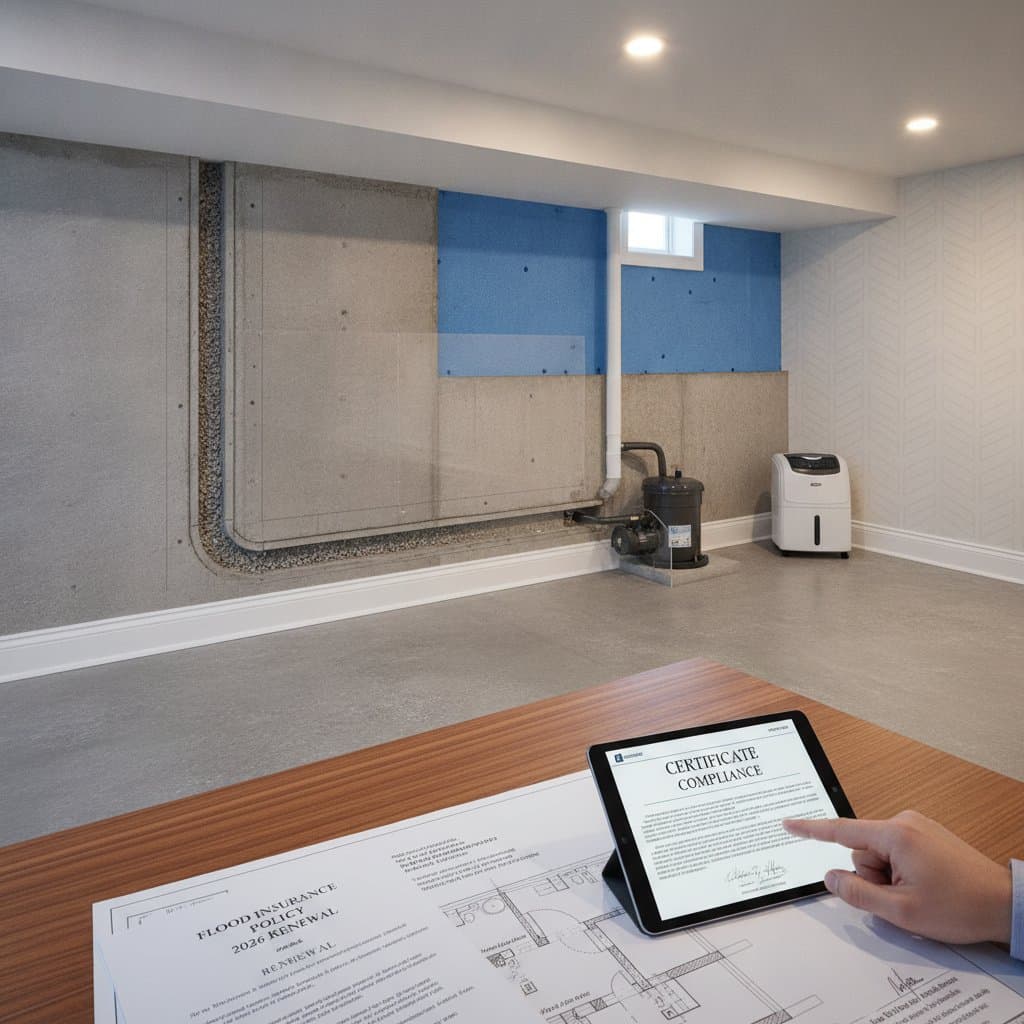
The rules focus on exterior drainage, interior water removal, and sealed entry points. Properties in flood zones face the strictest requirements. Properties outside these zones still benefit from upgrades through reduced premiums.
What Counts as Flood Proof
Insurers accept several proven methods. A complete system combines multiple approaches rather than relying on one solution.
- Exterior French drains that move water away from the foundation
- Waterproof membranes applied to basement walls below grade
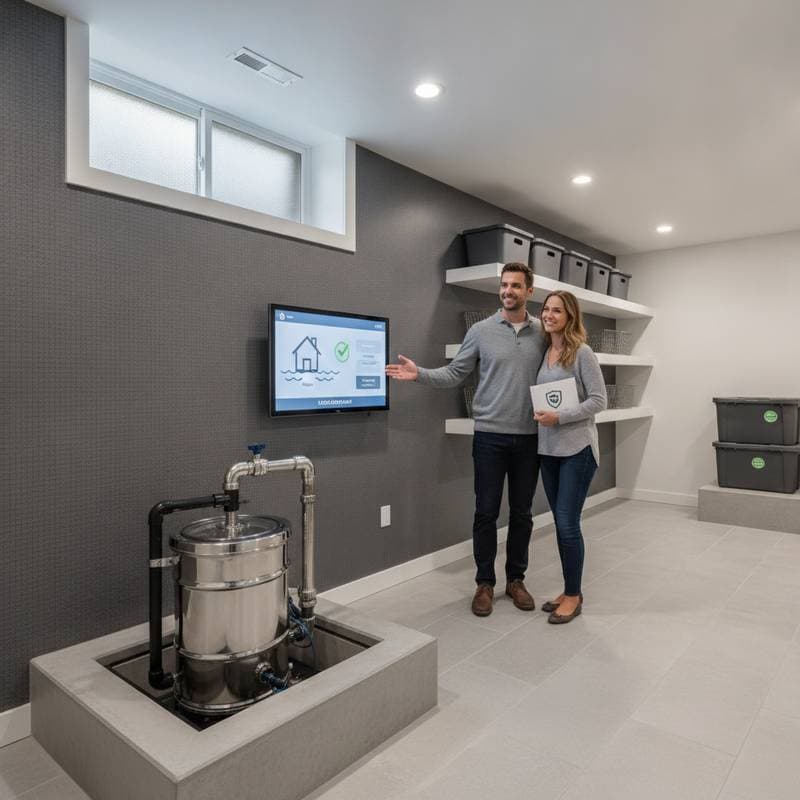
- Sump pumps with battery backup and alarm systems
- Sealed window wells with proper covers
- Gutter and downspout extensions that discharge water six feet from the house
These systems are not always mandatory. Insurers now reward homes that include them with lower premiums.
Expected Costs by Region
Regional pricing varies. In the Midwest or Southeast, where soil is clay heavy, excavation runs higher. In the Northeast, labor costs can increase by 15 to 20 percent. Always request at least three written quotes that specify materials and warranties.
Basic interior systems start around $8,000. Full exterior drainage with membranes reaches $24,000 in higher cost areas. Battery backup pumps and alarms add $1,500 to $3,000.
Timing Advice for Scheduling Work
The best time for waterproofing is during dry weather when the ground is firm. Late spring and early fall are ideal because contractors have fewer delays. You can also verify results before heavy rains return. Book early, since demand spikes after major storms. If material shortages continue, allow an extra two to three weeks for sump pump delivery or drainage pipe supply.
If you are under an insurance deadline, inform your contractor. Some insurers accept a signed contract as provisional compliance until final inspection.
Return on Investment and Long Term Value
Flood proofing may not feel glamorous. It remains one of the highest return basement improvements available. A properly sealed basement can prevent structural decay, mold growth, and electrical hazards. Insurers estimate that every dollar spent on prevention saves three to four dollars in future claims or repairs.
You will also see indirect benefits. A dry basement allows for finished living space, which can add 5 to 10 percent to resale value. Energy costs drop slightly too, since humidity control helps your HVAC system run more efficiently.
Maintaining Your Investment
Once your basement passes inspection and your insurer signs off, the job is not over. Maintenance keeps your protection valid and functional.
Ongoing tasks include the following steps.
- Test your sump pump every three months.
- Clean discharge lines and check for blockages.
- Inspect window wells and reapply sealant every two to three years.
- Keep gutters clear and downspouts extended six feet from the foundation.
Next Steps for Homeowners
Start with a professional inspection of your current drainage and foundation. Compare at least three contractor proposals that list exact materials and warranty terms. Schedule work during favorable weather to avoid delays. Complete the project before the 2026 deadline to lock in lower premiums and avoid higher future costs.