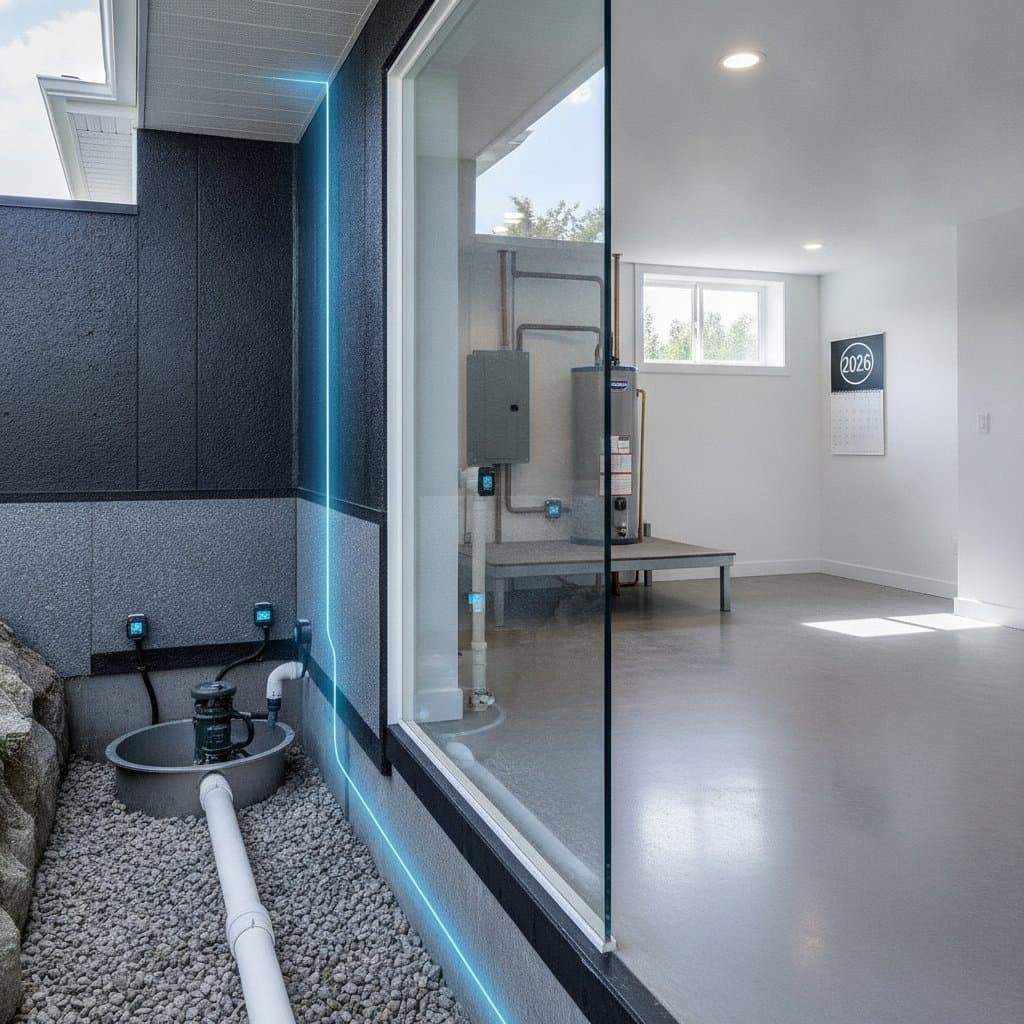
Basement Waterproofing Standards Rising in 2026
Key Takeaways
- New flood insurance requirements will expect basements to meet higher waterproofing standards.
- Preparing now can lower premiums and prevent costly repairs later.
- Focus on drainage, sealing, and elevating utilities to meet future compliance.
What Will the New Flood Insurance Mandates Mean for Basements?
The upcoming flood insurance rules will tighten how basements are evaluated for risk. Homeowners will need to show better flood resistance to maintain affordable coverage. Insurance providers are expected to assess how well a basement keeps out water, handles drainage, and protects critical systems. Homes with poor waterproofing may see higher premiums or limited coverage. The goal is to reduce claims and encourage smarter, more resilient home design.
Highlights
- Higher standards for waterproofing and drainage.
- Focus on prevention rather than post-flood recovery.
- Potential savings for proactive upgrades.
How Can You Prepare Your Basement for Compliance?
Start by evaluating your existing waterproofing. A professional inspection helps identify weak spots such as wall cracks, floor joints, or foundation leaks. From there, you can plan targeted upgrades that meet both current and future expectations.
1. Improve Exterior Drainage
Regrade soil so that water flows away from your foundation. A slope of six inches over ten feet is a good rule of thumb. Add downspout extensions that carry runoff several feet from the house.
2. Seal the Foundation
Apply waterproof coatings or membranes to basement walls. Interior sealants can stop minor seepage, but exterior barriers are more effective for long-term protection. Check for gaps around utility lines and patch them with hydraulic cement or professional-grade sealant.
3. Install or Upgrade a Sump Pump
A sump pump with a battery backup prevents flooding during heavy rain or power outages. Look for systems with alarms that alert you when water levels rise too high.
4. Protect Utilities and Storage
Elevate electrical panels, furnaces, and water heaters several inches above the floor. Store valuables and documents on shelves rather than directly on the concrete. These small steps can prevent extensive damage if water ever enters the space.
5. Consider a Backup Drainage System
Interior French drains or perimeter drains can collect and remove groundwater before it reaches the floor surface. Pairing these with a sump pump creates a dependable two-part defense.
What Costs Should You Expect?
Pricing depends on the level of waterproofing you need. Basic sealing and grading adjustments may cost a few hundred dollars. Installing an interior drainage system can range into several thousand. A full waterproofing overhaul, including exterior excavation, is the most expensive but offers decades of protection.
| Upgrade Type | Typical Cost Range | Lifespan Estimate |
|---|---|---|
| Foundation sealing | $500–$1,500 | 10–15 years |
| Sump pump system | $800–$2,000 | 7–10 years |
| Interior drainage | $3,000–$8,000 | 20+ years |
FAQs
Will insurance companies require proof of waterproofing?
Yes, documentation such as inspection reports or contractor receipts may be requested to verify compliance.
Is DIY waterproofing acceptable?
Small sealing projects can be DIY-friendly, but larger drainage or membrane installations usually need professional verification for insurance purposes.
Can waterproofing lower my insurance costs?
In many cases yes, since it reduces risk. Insurers often reward homes that show preventive maintenance.
What if my basement already floods occasionally?
Address it immediately before new rules take effect. Chronic flooding can jeopardize both coverage and property value.
Implement Waterproofing Upgrades Promptly
Preparing your basement now creates peace of mind later. A dry, well-protected lower level safeguards your home structure, preserves stored items, and keeps insurance costs manageable. As regulations tighten, early improvements show that your home is ahead of the curve.