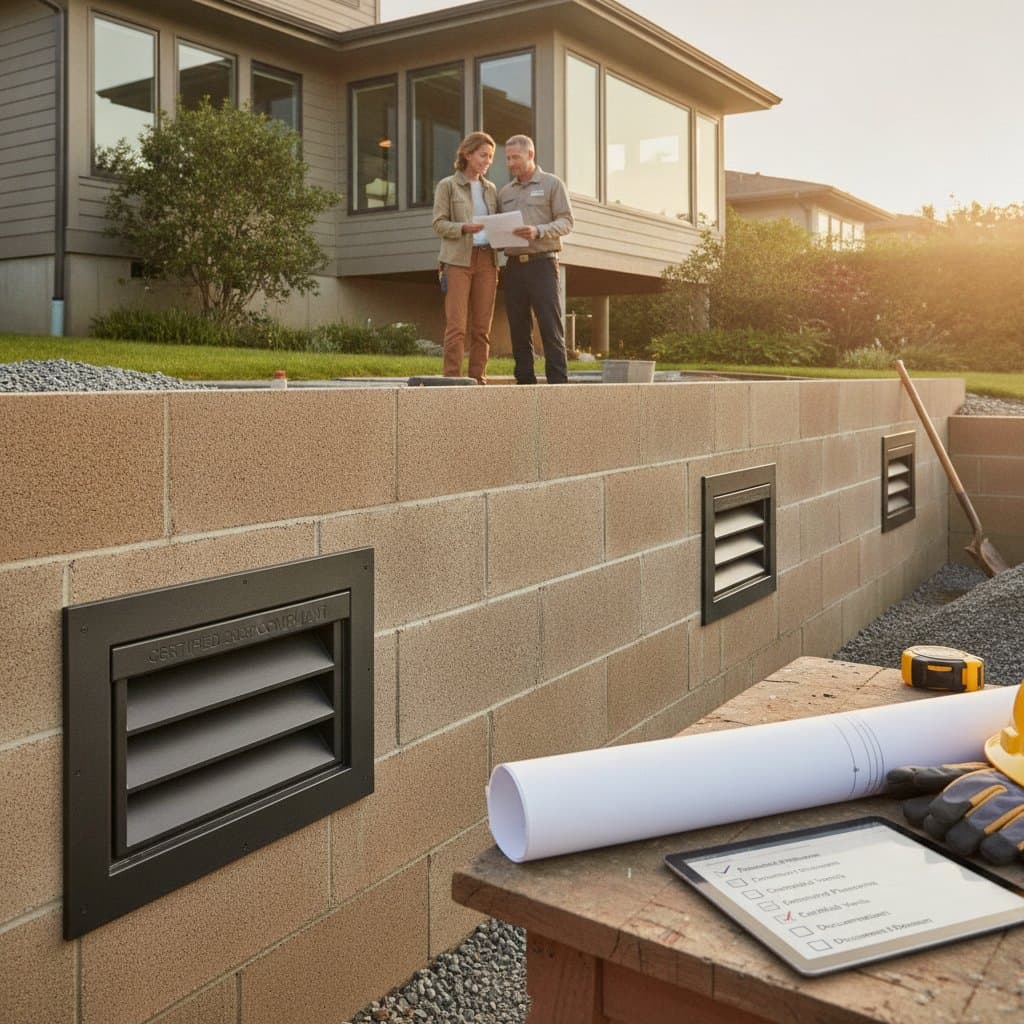
Understanding the 2026 Flood Insurance Changes for Basements
Home renovation projects across the United States face new expenses driven by updated flood insurance requirements. These mandates introduce stricter standards for basement waterproofing, drainage, and structural protections. Homeowners with basements will encounter changes in coverage options, project planning, and property values.
Insurers will require documented proof that basement systems meet elevated flood resistance criteria. Full coverage depends on compliance with these performance thresholds. Prevention measures become essential rather than optional under the revised rules.
Reasons Behind Stricter Regulations
Heavier rainfall, aging infrastructure, and rising claim volumes prompt insurers to enforce higher waterproofing standards. Sump pumps, foundation drains, and sealants must now satisfy specific benchmarks in flood-prone zones. Noncompliant properties risk premium increases or coverage limitations.
Contractors report extended lead times for vapor barriers and drain tiles amid rising demand. Early planning helps avoid supply shortages and price increases. Projects scheduled before renewal dates allow insurers to accept phased completion documentation.
Expected Costs for Upgrades
Material and labor expenses for basement waterproofing have increased 10 to 15 percent. Regional soil conditions and foundation access influence final pricing.
| Component | Average Cost | Notes |
|---|---|---|
| Interior drainage system | $5,000 - $12,000 | Includes trenching, piping, and sump installation |
| Exterior waterproofing | $10,000 - $25,000 | High labor cost due to excavation |
| Sump pump with backup | $1,200 - $3,000 | Required for new flood compliance |
| Moisture monitoring system | $400 - $1,000 | May be required for insurance certification |
| Foundation crack repair | $800 - $2,500 | Often needed before sealing |
High-risk flood zones typically require redundant features such as dual pumps or integrated alarms.
Scheduling Projects Effectively
Contractor availability has tightened as demand grows ahead of the mandate deadlines. Mid-season windows offer stable soil conditions and better scheduling flexibility. Temporary measures can maintain eligibility when full installations face delays.
Phased Budget Approach
Dividing work into stages improves financial management. The following framework outlines typical phases:
-
Assessment and Inspection
Cost: $300 - $800
A professional review identifies compliance gaps and structural concerns. -
Core Waterproofing Installation
Cost: $7,000 - $20,000
This stage covers sump pumps, drain tile, and sealants. -
Monitoring and Certification
Cost: $500 - $1,200
Sensors, alarms, and inspection reports support insurance documentation. -
Annual Maintenance
Cost: $250 - $500 per year
Regular pump cleaning and drainage inspections sustain compliance.
Certain lenders and insurers offer low-interest financing tied to these upgrades.
Important Safety Guidelines
Excavation and electrical work require proper protective equipment and adherence to local codes. Sump pumps must never connect to main sewer lines, as this violates plumbing regulations. Licensed contractors provide certified documentation for insurance purposes.
Benefits Over Time
A documented waterproofing system can raise property value by 5 to 10 percent and lower premiums by up to 25 percent. Buyers increasingly request flood compliance records during inspections. These improvements deliver measurable returns through reduced risk and stronger resale positioning.
Ongoing System Care
Quarterly sump pump tests confirm proper activation. Battery replacements and alarm checks occur on a regular schedule. Clear gutters and downspouts prevent surface water accumulation near foundations. Early signs such as damp odors or wall efflorescence warrant prompt inspection.