Preparing for 2026 Insurance Changes in Basement Flood Protection
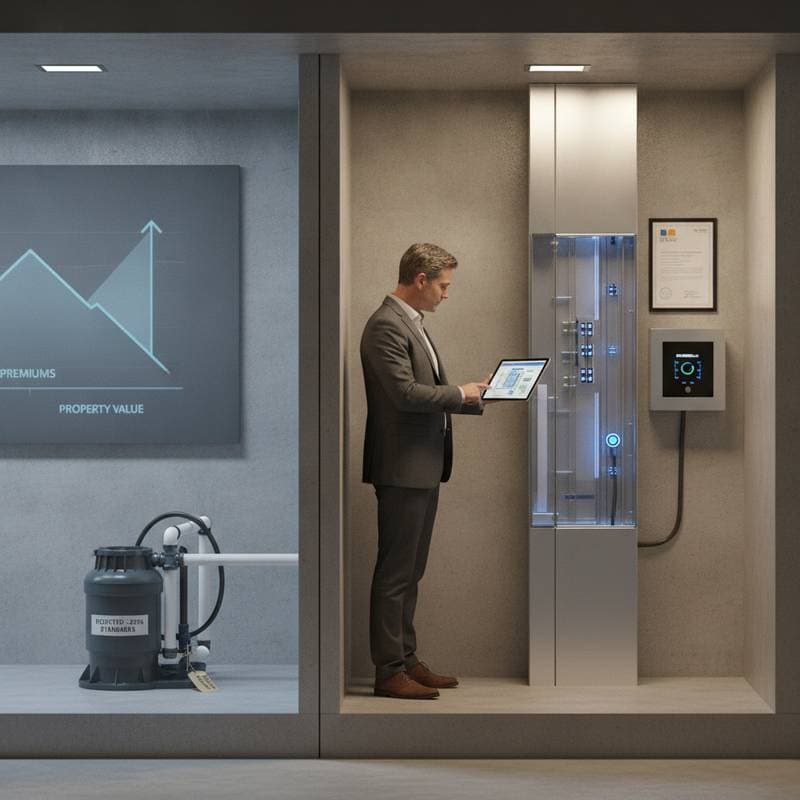
New insurance requirements effective in 2026 link basement flood protection directly to coverage eligibility. Homeowners must supply technical documentation on system performance to qualify for discounts or avoid exclusions. This approach rewards verifiable engineering rather than basic installations.
Technical Demands of Reliable Flood Protection
Basements face hydrostatic pressure, groundwater seepage, and moisture migration through foundations. Effective systems combine structural barriers, perimeter drainage, and active pumping to counter these forces. Insurers now demand quantified proof such as pump capacity ratings and drainage flow measurements instead of installation invoices alone.
Performance data must reflect real load conditions. Documentation should include sump pump output in gallons per hour, drain tile capacity, and vapor barrier specifications. This requirement shifts coverage decisions toward measured prevention.
Matching Systems to Local Conditions
Regional climate and soil conditions dictate appropriate designs. Coastal areas require emphasis on vapor barriers and dehumidification to manage persistent humidity. Northern zones need drainage components rated for freeze-thaw cycles and subzero performance.
Properties in designated floodplains must submit engineering calculations showing the system can handle expected storm volumes. Insurers cross-reference these details against local flood maps before approving discounts.
Comparing Protection Options
| System Type | Core Components | Efficiency Metrics | Best Use Scenario | Maintenance Frequency |
|---|---|---|---|---|
| Interior Drain Tile System | Perimeter drains, sump basin, discharge pump | Flow rate 25-40 gallons per minute | Existing basements under hydrostatic pressure | Annual inspection |
| Exterior Waterproofing Membrane | Elastomeric coating, drainage board, gravel backfill | Permeability below 1 perm | New construction or full excavation | 10-year membrane check |
| Sump Pump with Battery Backup | Primary and secondary pumps, sealed basin, float switch | Capacity 2,500-5,000 gallons per hour | Areas with frequent outages | Semiannual battery test |
| Sealant and Epoxy Injection | Polyurethane or epoxy resin | Crack tolerance 0.01 inches | Minor structural leaks | Inspection every 3 years |
Interior drain systems provide measurable flow data that insurers can verify through testing. Exterior membranes deliver longer protection and often secure larger premium reductions for new homes.
Connecting Systems to Home Infrastructure
Flood protection must work with existing foundation drains, electrical circuits, and HVAC layouts. Sump pumps require dedicated GFCI-protected circuits to avoid failure during storms. Moisture-resistant insulation on basement ducts prevents mold after water events.
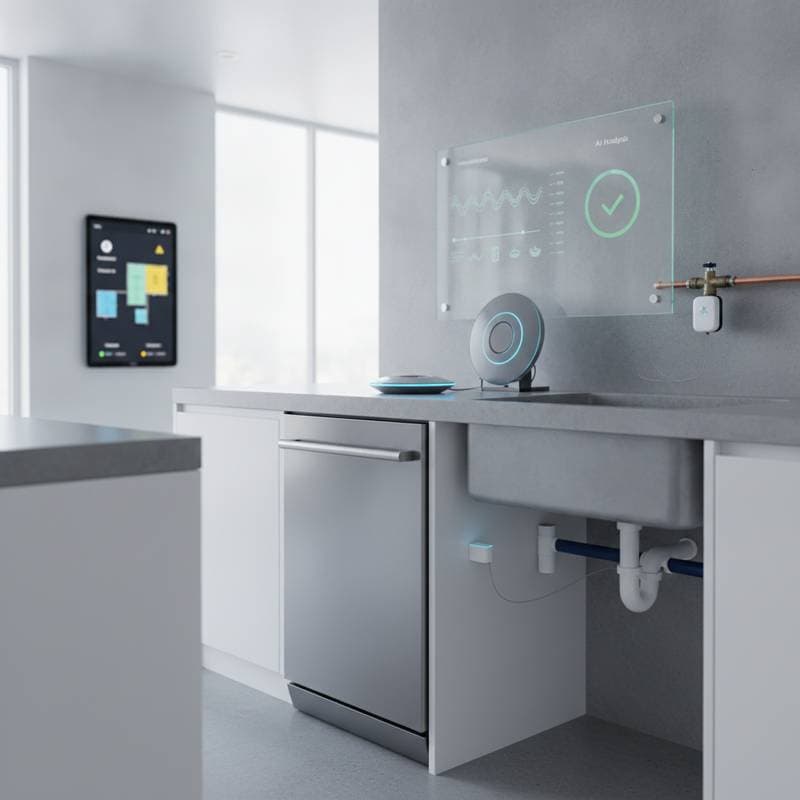
Automated monitoring adds further compliance value. Flow sensors that log pump activity and send mobile alerts supply insurers with continuous performance records.
Cost Considerations and Returns
| System Type | Average Installation Cost | Estimated Annual Energy Savings | Potential Insurance Premium Reduction | Expected Payback Period |
|---|---|---|---|---|
| Interior Drain Tile | Medium | 5 percent dehumidification reduction | 10-15 percent | 7-10 years |
| Exterior Membrane | High | 8 percent conditioning reduction | 20-25 percent | 10-12 years |
| Sump Pump with Backup | Moderate | Neutral | 10 percent | 5 years |
Preventive investments produce measurable savings when paired with documented maintenance. Homeowners who retain performance logs qualify more readily for ongoing discounts.
Meeting Installation and Inspection Standards
Contractors must certify that installations align with FEMA floodproofing criteria or equivalent state codes. Key inspection points include continuous vapor barrier sealing, properly elevated discharge lines, and backup power capable of sustained operation.
Systems lacking these elements risk coverage exclusions for flood damage. Professional assessments should include pump specifications, power diagrams, and material ratings before work begins.
Ongoing Maintenance Requirements
Regular testing keeps systems insurable. Float switches need verification, drain lines require annual flushing, and barrier joints should be resealed on schedule. Sensor-equipped systems can generate automatic logs that satisfy insurer requests for proof of reliability.
Planning for Future Compliance
Predictive risk models now incorporate elevation, soil data, and rainfall patterns to set individual premiums. Homes with documented protection receive better resilience scores and lower rates. Adding compatible sensors for groundwater monitoring positions properties for upcoming smart-system mandates without later retrofits.
Securing Documentation and Contractor Support
Start with a certified waterproofing professional who understands insurer documentation needs. Request test results, installation photographs, and a written maintenance schedule. This preparation satisfies current rules while delivering lasting property protection and stable coverage costs.