Flood Proof Flooring Solutions That Reduce Insurance Costs
Home renovation projects increasingly prioritize resilience. Flooring choices now play a central role because flooding ranks among the costliest threats to homeowners. Flooring is often the first element damaged. In 2026 flood resistant options have become both smarter and more affordable. Selecting the right materials protects a home, lowers insurance costs, and reduces repair expenses.
Current Market Conditions Driving Demand
Material costs have risen due to tariffs on imported products and ongoing supply chain constraints. Some homeowners face project delays while others encounter prices approximately 10 percent higher than recent months. Insurance providers have begun to reward upgrades that use certified waterproof materials. They offer premium discounts or reduced deductibles for homes that meet resilience standards. Spending more at installation can therefore offset future expenses through fewer claims.
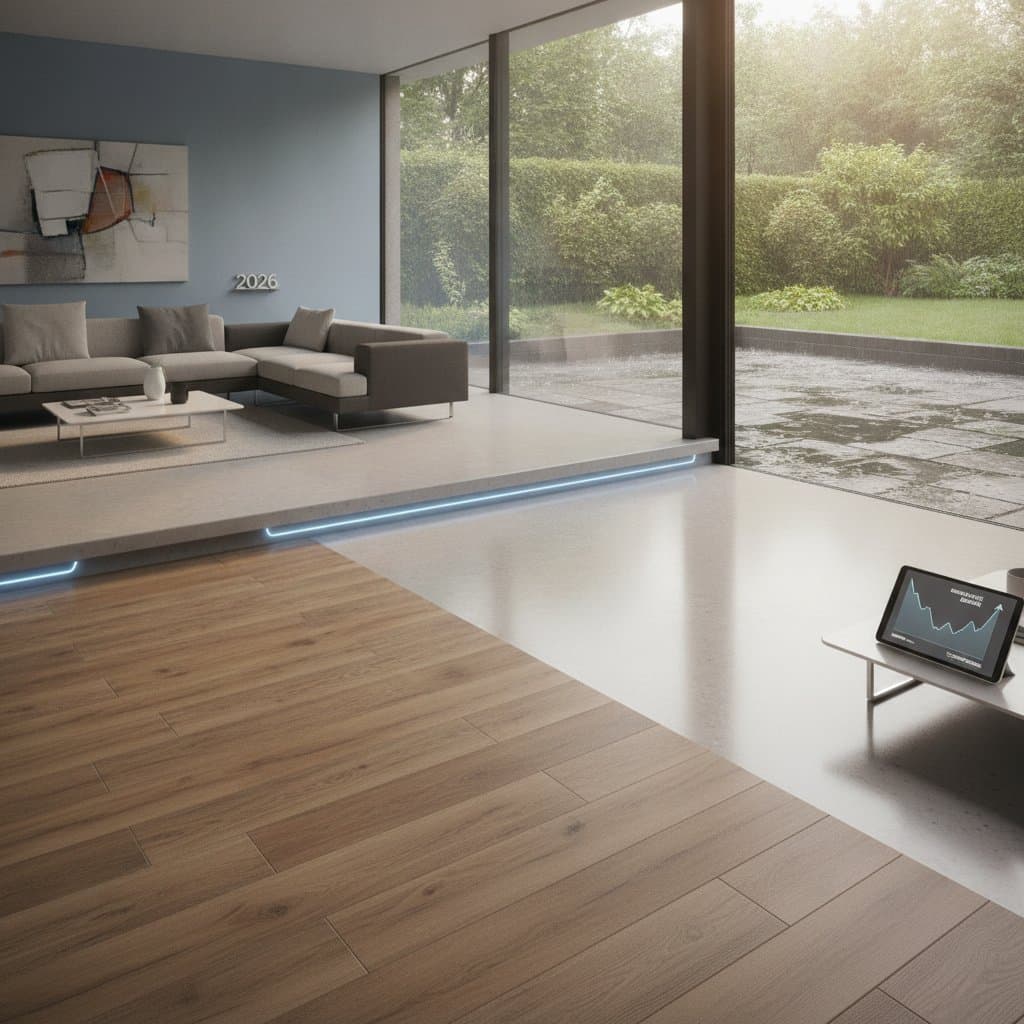
Traditional hardwood and carpet suffer immediate damage from even modest water exposure. Replacement with hybrid waterproof vinyl over a sealed concrete base has prevented multiple small incidents from escalating into insurance claims.
Choosing Between DIY and Professional Installation
Flood resistant flooring requires an honest assessment of personal skill levels. Certain materials suit experienced homeowners while others demand specialized expertise.
Suitable for DIY Projects
- Waterproof vinyl plank with click lock systems allows installation by capable individuals.
- Rubber flooring cuts easily and fits well in utility rooms or garages.
Projects Requiring Professionals
- Epoxy coatings over concrete need precise surface preparation and controlled mixing.
- Porcelain tile installation depends on correct waterproof membrane placement.
- Composite stone demands heavy handling and wet saw equipment.
Subfloors that show water damage or mold require remediation contractors before new flooring begins. Improper drying traps moisture and leads to rot or foundation issues. Professionals also confirm that vapor barriers satisfy local flood zone codes.
Top Flood Resistant Flooring Materials
Luxury Vinyl Plank
This option features a fully waterproof core that cleans easily and replicates hardwood appearance. Installed costs range from 5 to 9 dollars per square foot. Several major insurers recognize it as a flood resilient material. Products with high density cores and integrated underlayment provide extra protection.
Porcelain Tile
Properly grouted and sealed porcelain resists water penetration. Installed costs range from 6 to 12 dollars per square foot. Quick drying and simple sanitization often limit the size of insurance claims after minor flooding. Epoxy grout improves waterproof performance compared with cement based alternatives.
Sealed Concrete with Epoxy Finish
A seamless surface resists water, bacteria, and stains. Installed costs range from 7 to 11 dollars per square foot. The system performs well in basements and garages that face repeated flood exposure. Annual resealing preserves the topcoat and color consistency.
Engineered Stone or Composite Flooring
Natural minerals combined with resins create a durable non porous surface. Installed costs range from 9 to 14 dollars per square foot. Longer lifespan reduces replacement frequency and depreciation claims. Only products certified for flood exposure should be selected.
Rubber Flooring
Flexible and slip resistant rubber tolerates short term water contact. Installed costs range from 4 to 7 dollars per square foot. Better traction during cleanup reduces injury claims. This material suits laundry rooms and workshops rather than main living areas.
Ongoing Maintenance Practices
Flood proof floors require less care than wood or carpet yet still benefit from scheduled attention.
Routine Maintenance Checklist
- Inspect sealants and grout lines every six months.
- Reapply protective coatings every three to five years.
- Operate dehumidifiers in basements to limit condensation.
- Remove standing water promptly even on waterproof surfaces.
Warning Signs to Address
- Discoloration or bubbling under vinyl indicates trapped moisture.
- Cracks in epoxy or tile grout permit seepage and require immediate resealing.
- Musty odors suggest hidden water beneath the subfloor and call for professional evaluation.
Regular upkeep extends service life and maintains insurance coverage validity. Neglect can void warranties and complicate future claims.
Protecting Long Term Value
Consistent selection and care of flood resistant flooring delivers measurable financial returns. Lower insurance premiums, fewer repair events, and extended material lifespan combine to protect both property and budget over many years.