Understanding New Flood Insurance Requirements
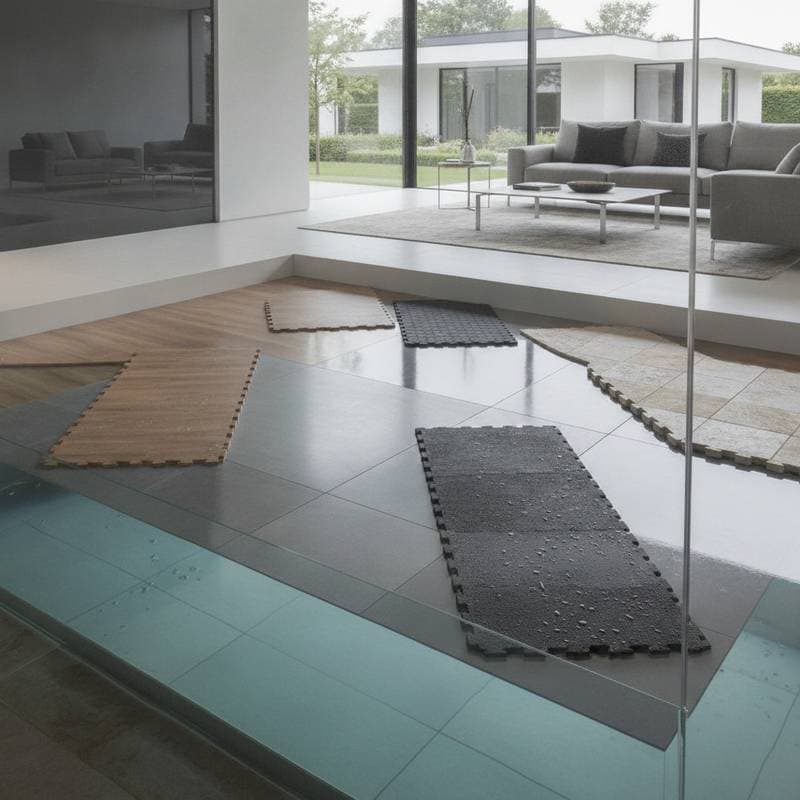
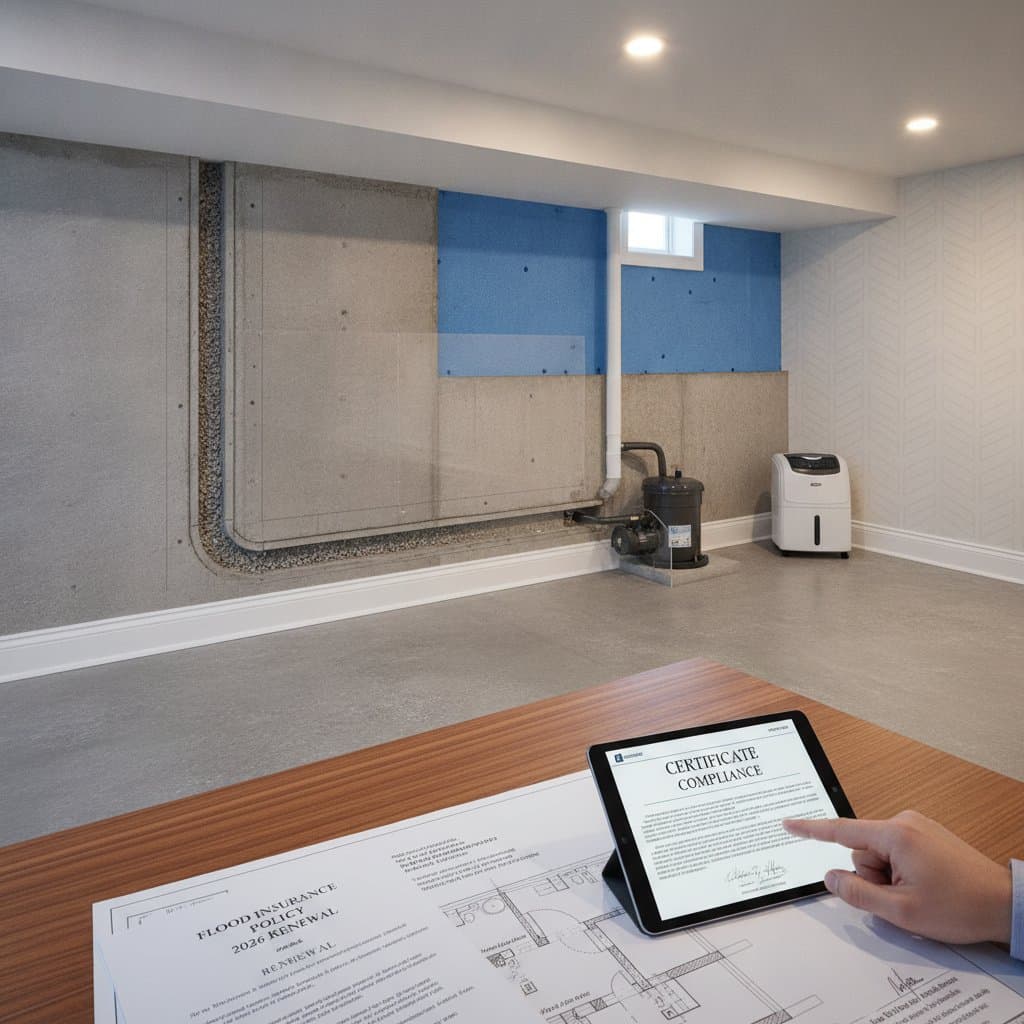
Starting in 2026, flood insurance policies will require certified basement waterproofing to reduce risk and claim costs. Homeowners must complete proper sealing, drainage installation, and sump pump systems to qualify for coverage. Although the initial investment is substantial, waterproofing lowers premiums, increases property value, and prevents long-term water damage along with structural problems.
Labor accounts for roughly half of total project costs, particularly in regions with high contractor demand. Properties with clay soil or a high water table typically reach the upper end of standard price ranges.
Comparing DIY Approaches to Professional Installation
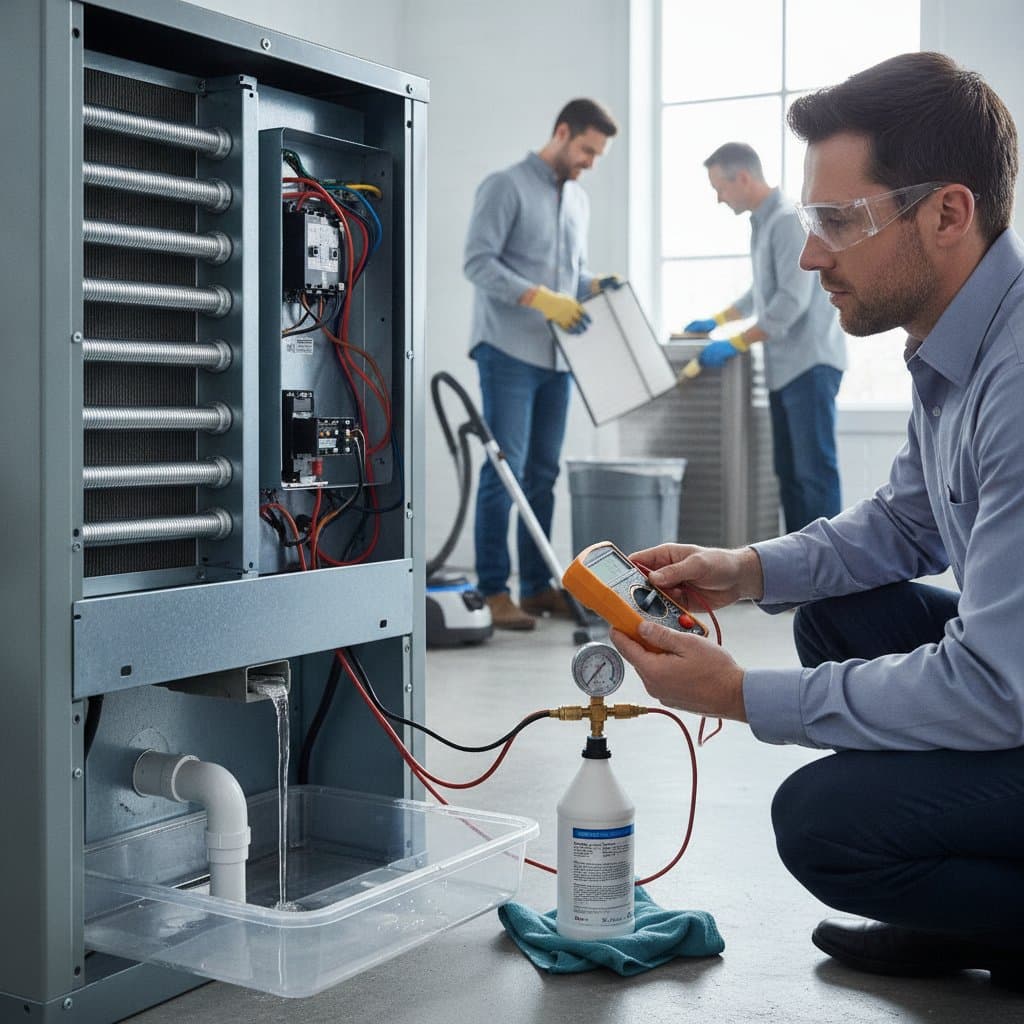
Experienced homeowners can manage certain waterproofing tasks safely. These include applying interior wall coatings and extending downspouts. Other elements require professional handling. Drainage tile installation and foundation excavation involve code compliance, heavy equipment, and risks of foundation damage when performed incorrectly.
Insurers now require documentation from licensed waterproofing or structural specialists before approving policies. Homeowners who complete small preparation steps themselves still need a final professional inspection or certification. This documentation serves as verification that protects both the property owner and the insurer.
Selecting Optimal Timing for Waterproofing Work
Contractor schedules fill quickly after major rain events. Scheduling projects early in the season reduces wait times and controls expenses. Late spring through early fall provides the most stable conditions for exterior excavation because soil remains dry and firm. Interior system installation can occur year-round, although dry conditions accelerate curing and limit moisture issues.
Coastal and high-rainfall areas have seen waterproofing demand double in recent years. Booking services and securing material prices in advance helps avoid later cost increases.
Connecting Waterproofing to Insurance Benefits
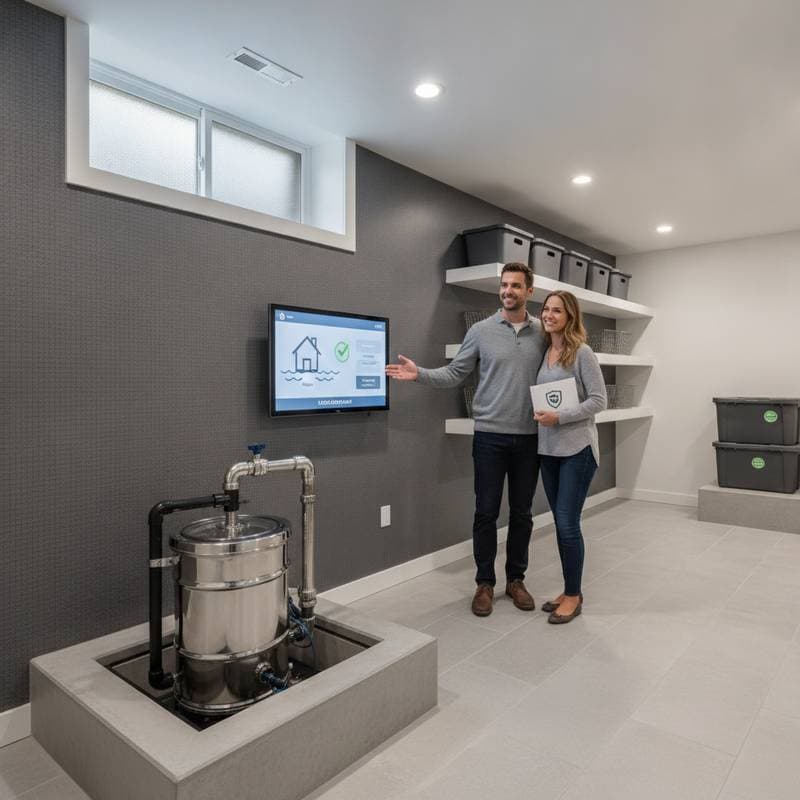
Flood insurance providers accept waterproofing documentation as evidence of reduced risk. Absence of certification can result in higher premiums or restricted coverage. Certain carriers provide discounted rates for homes equipped with certified sump systems or sealed foundations. Waterproofing functions as both protection and a financial tool that gives homeowners greater influence over policy conditions.
One homeowner reported a 15 percent reduction in flood premiums after completing a certified project. The savings offset financing costs for the system. Long-term premium reductions exceed initial expenses when combined with ongoing maintenance of dehumidifiers and drainage components.
Evaluating Return on Investment and Property Value
Certified waterproofing systems increase home marketability. Real estate professionals note these improvements in listings because they confirm the basement is suitable for storage or finishing. Property data indicates homes with documented waterproofing sell up to 10 percent faster in flood-prone areas. Buyers gain confidence from contractor documentation.
Beyond resale value, a dry basement reduces humidity, eliminates musty odors, and lowers mold risk. Homeowners planning future basement finishing benefit from completing waterproofing as a core step rather than an afterthought.
Identifying When Professional Assessment Is Required
Waterproofing projects involve electrical work, heavy equipment, and potential mold exposure. Foundation cracks wider than one-quarter inch, ongoing dampness, or white mineral deposits signal structural concerns that warrant expert evaluation.
Select licensed contractors who maintain liability insurance. Request written warranties covering both materials and labor. Reputable firms typically provide 10 to 25 year warranties and supply documentation that meets insurance standards.
Completing Required Steps for Compliance
Begin with a professional inspection when facing an upcoming flood insurance renewal. Many waterproofing companies provide free assessments that identify vulnerabilities and itemize costs. Obtain three separate quotes, confirm license credentials, and clarify documentation requirements with each contractor.
Establish a project timeline based on current basement conditions. Schedule work before the next rainy season if the space remains dry. Address active water intrusion promptly to avoid structural deterioration. Retain digital copies of invoices and inspection reports for insurance submission.
Waterproofing fulfills insurance requirements while protecting the property investment, improving indoor air quality, and creating usable space that enhances daily comfort.