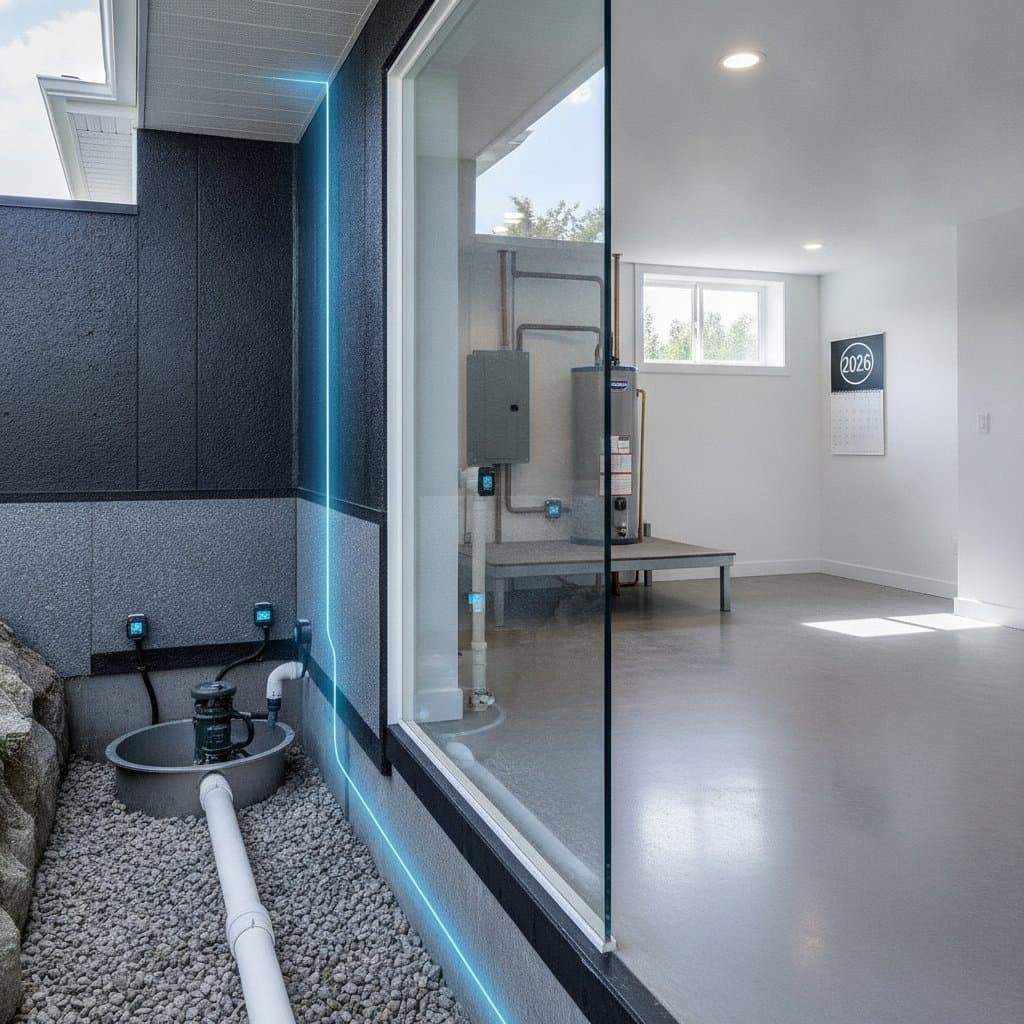
Water Main Coverage Is Vanishing From Home Policies
Key Takeaways
- New insurance rules are changing how water main replacements are covered under homeowner policies.
- Coverage gaps may appear if your service line fails between your house and the street connection.
- Reviewing your policy and adding optional service line coverage can save thousands in repair costs.
What Is Changing with Water Main Replacement Insurance
Homeowners may soon find that standard insurance no longer covers breaks or leaks in underground water lines connecting their homes to the public system. For many years some homeowner policies quietly included partial coverage for water main or service line damage. That approach is shifting. Insurers are separating service line issues from general property damage. This means if your underground pipe cracks or corrodes you could be responsible for both the repair and yard restoration.
The change reflects the rising cost of material, labor, and environmental compliance requirements. Typical repair costs range from 2000 to 6000 dollars for excavation and line replacement. Average line lifespan runs 40 to 80 years depending on material and soil conditions. Optional coverage often costs 30 to 100 dollars per year.
Common Exclusions and Limits
Policies frequently exclude wear and tear, corrosion, or pre-existing damage. These limitations leave homeowners exposed when older lines fail.
Why Insurers Are Adjusting Water Main Coverage
Insurers are responding to higher claim costs and aging infrastructure. Many neighborhoods have older pipes made of galvanized steel, clay, or early PVC. These materials are reaching the end of their useful life. Each failure can involve not just plumbing but also landscaping, sidewalk replacement, and even road repair.
Insurers are narrowing what counts as sudden and accidental damage versus gradual deterioration. By redefining service lines as separate systems they limit unexpected payouts while encouraging homeowners to maintain their connections. This shift also mirrors broader trends in utility responsibility. Municipalities typically cover only the main street line. Anything from the curb to your meter is usually your expense.
How Homeowners Can Protect Their Property
Most insurers now offer a small add-on policy that specifically covers buried lines. It usually includes water, sewer, and sometimes electrical or data cables running underground. The coverage helps pay for excavation, pipe replacement, and yard restoration after a qualifying break.
Here is how to prepare. Call your insurance agent and ask if service line coverage is available. Confirm what is included because some policies only cover lines on your property and not under the sidewalk or right of way. Check replacement cost limits because typical protection caps range from 5000 to 20000 dollars. Consider your risk level since homes with large trees, older plumbing, or shifting soil are more likely to experience line breaks. Document your system by keeping photos or repair records to make future claims smoother.
Comparing Standard Policies and Add On Coverage
| Feature | Standard Home Policy | Service Line Add On |
|---|---|---|
| Underground pipe repair | Often excluded | Included |
| Excavation and labor | Limited | Included |
| Yard and landscaping restoration | Rarely covered | Included |
| Deductible | Standard home deductible | Often lower or fixed |
| Average annual cost | Built into base rate | 30 to 100 dollars |
What Happens If Your Line Fails Without Coverage
You will pay for repairs and restoration out of pocket. Homeowners are often surprised to learn that a leak under their front lawn is their responsibility. Even a small crack can waste thousands of gallons of water and undermine soil stability. Once the utility flags a leak you typically have a short time to make repairs before water service is shut off.
The full job can involve excavation, pipe replacement, and reseeding the lawn. Without insurance those costs come directly from your budget. Some local utilities offer separate maintenance plans for a monthly fee. These plans are not the same as insurance but can provide repair coverage for the portion of line you own. Compare both options to see which best fits your budget and comfort level.
How These Changes Influence Home Resale Value
Buyers are becoming more aware of underground infrastructure issues. A documented new service line can be a small selling advantage while outdated plumbing might raise inspection concerns. Keeping records of insurance coverage or recent upgrades shows responsible ownership and can help avoid delays during closing negotiations.
Homeowner Questions Answered
Do I need service line coverage if my home is newer. Yes. Even new homes can face soil shifting or accidental damage during landscaping. The cost is small compared to potential excavation expenses.
Does my city cover the water line to my meter. Usually no. Municipalities often stop coverage at the street connection. Everything beyond that point is your responsibility.
Can tree roots damage my water main. Absolutely. Roots can infiltrate small cracks and enlarge them over time especially in older metal or clay pipes.
Steps to Secure Your Home Investment
Review your current policy today. Contact your agent to discuss add on options. Schedule a plumbing inspection if your home is more than thirty years old. Maintain records of any upgrades. These actions reduce financial risk and support long term property value.