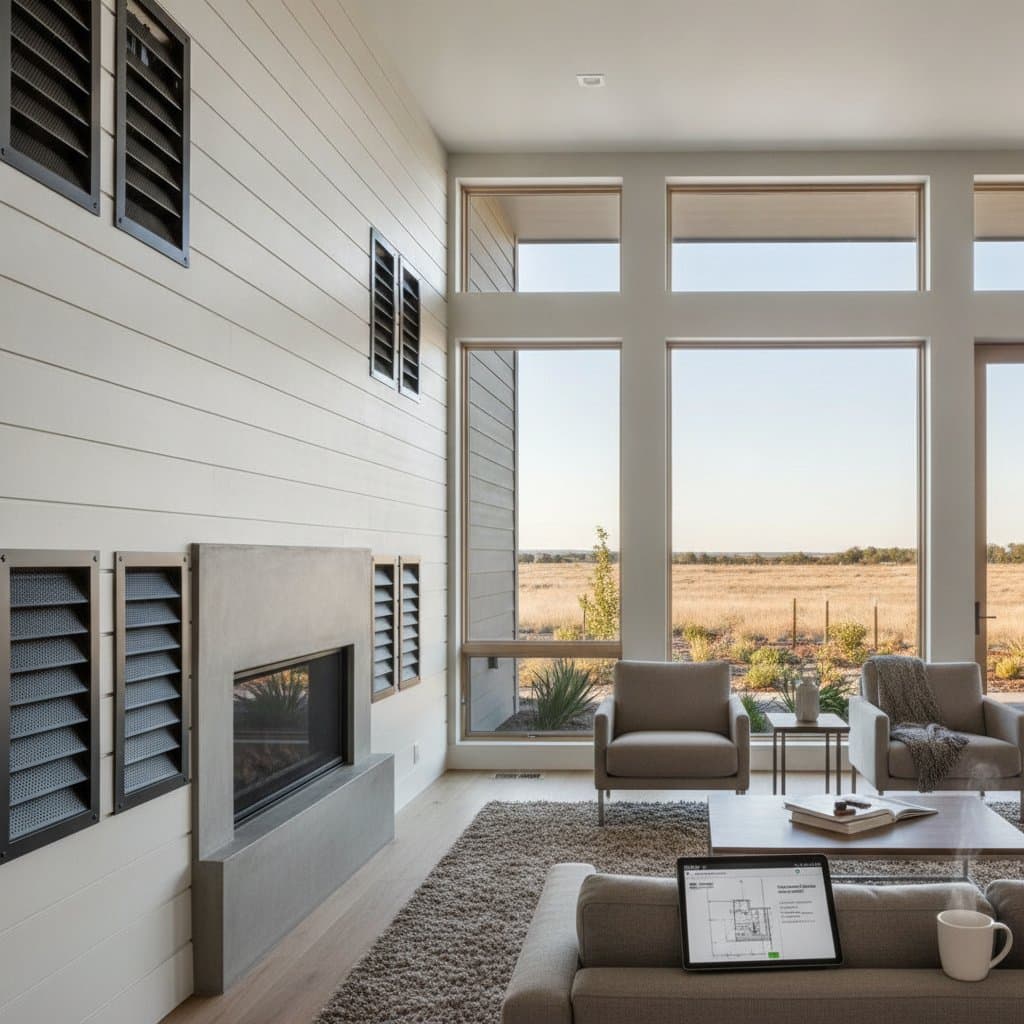
New Flood Vent Rules Will Cost You Thousands in 2026
Codes

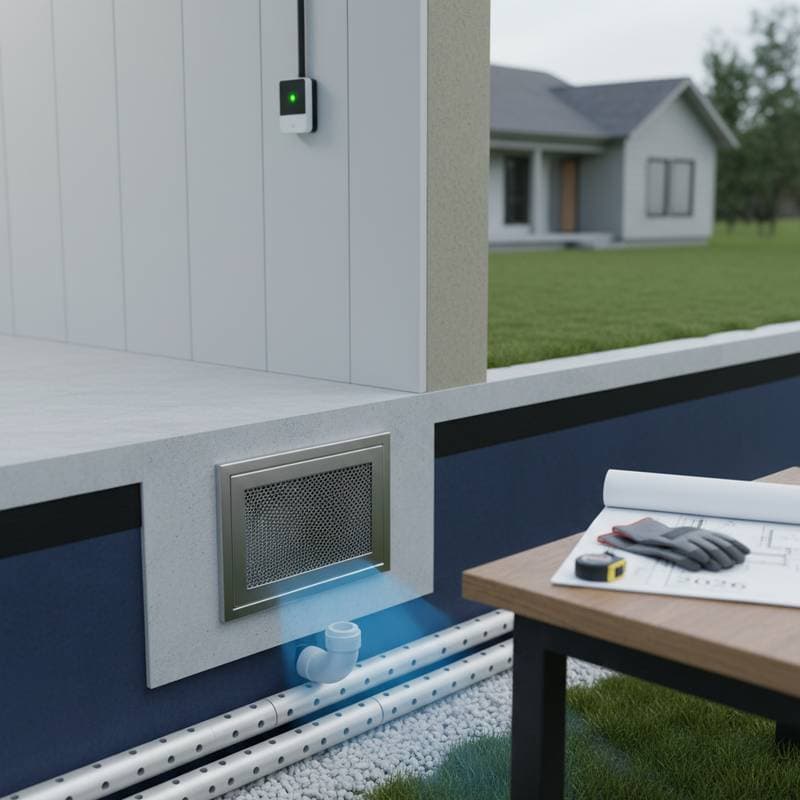
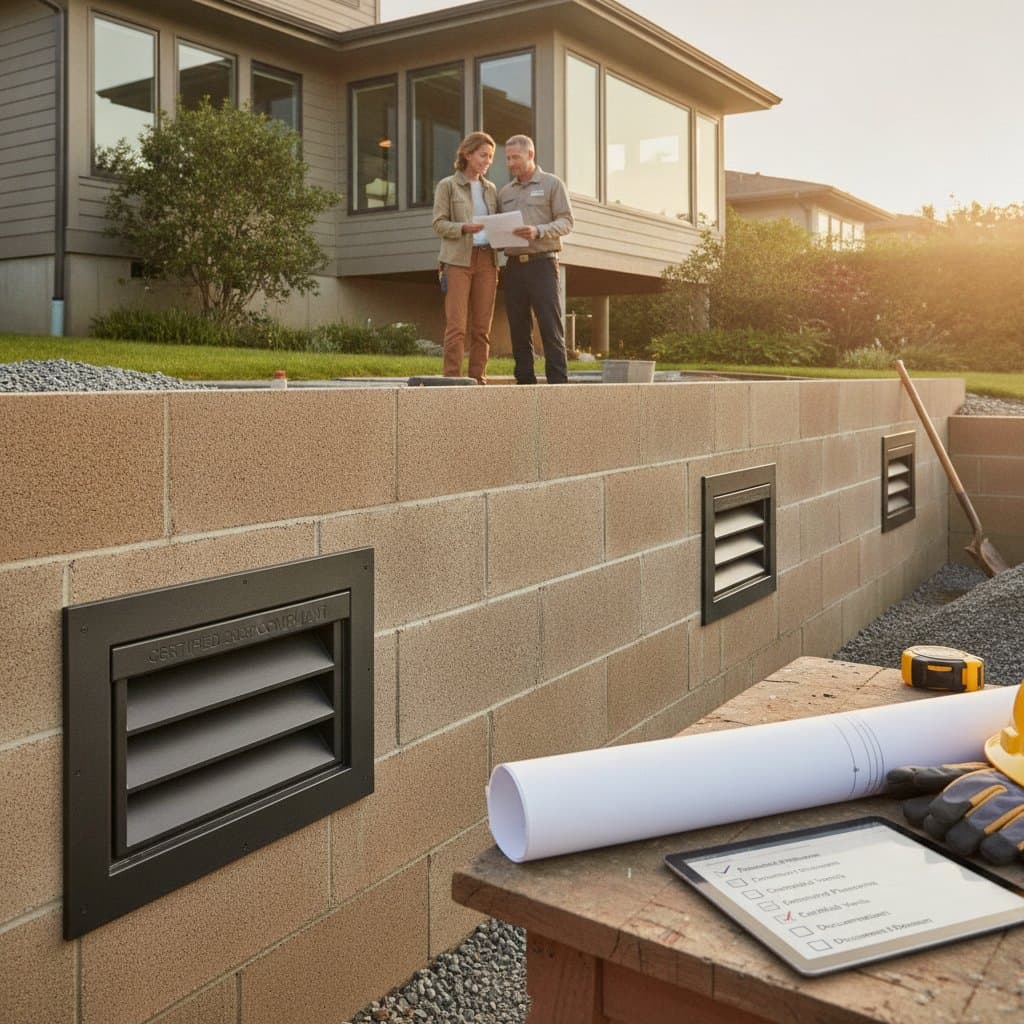
New Flood Vent Rules Will Cost You Thousands in 2026

Updated 2026 flood vent rules change foundation compliance for homes in flood zones. Stricter certification, installation standards, and maintenance duties affect renovations, insurance rates, and resale value. Homeowners can budget effectively, avoid compliance issues, and maintain certified vent systems through targeted planning.

By Katlyn PolinoJuly 16, 2026
Read Article

More articles tagged #Codes

Explore our collection of codes related content

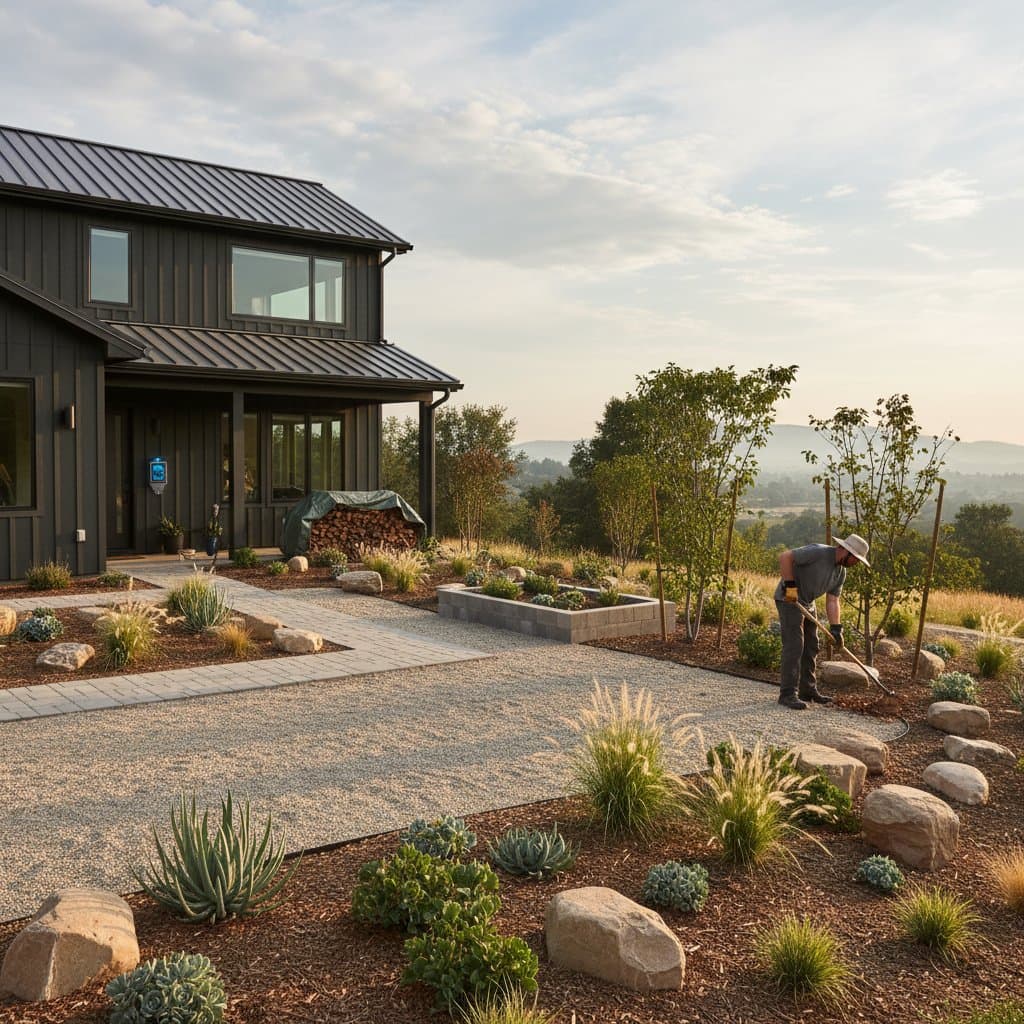
Ember Resistant Vents Decide Which Homes Survive Wildfire

Ember Resistant Vents Decide Which Homes Survive Wildfire

Ember resistant vents block wind-driven debris and reduce attic ignition risk by more than 90 percent. This guide covers costs, code requirements, optimal installation timing, and maintenance practices for homes in wildfire-prone areas.

Katlyn PolinoJun 30
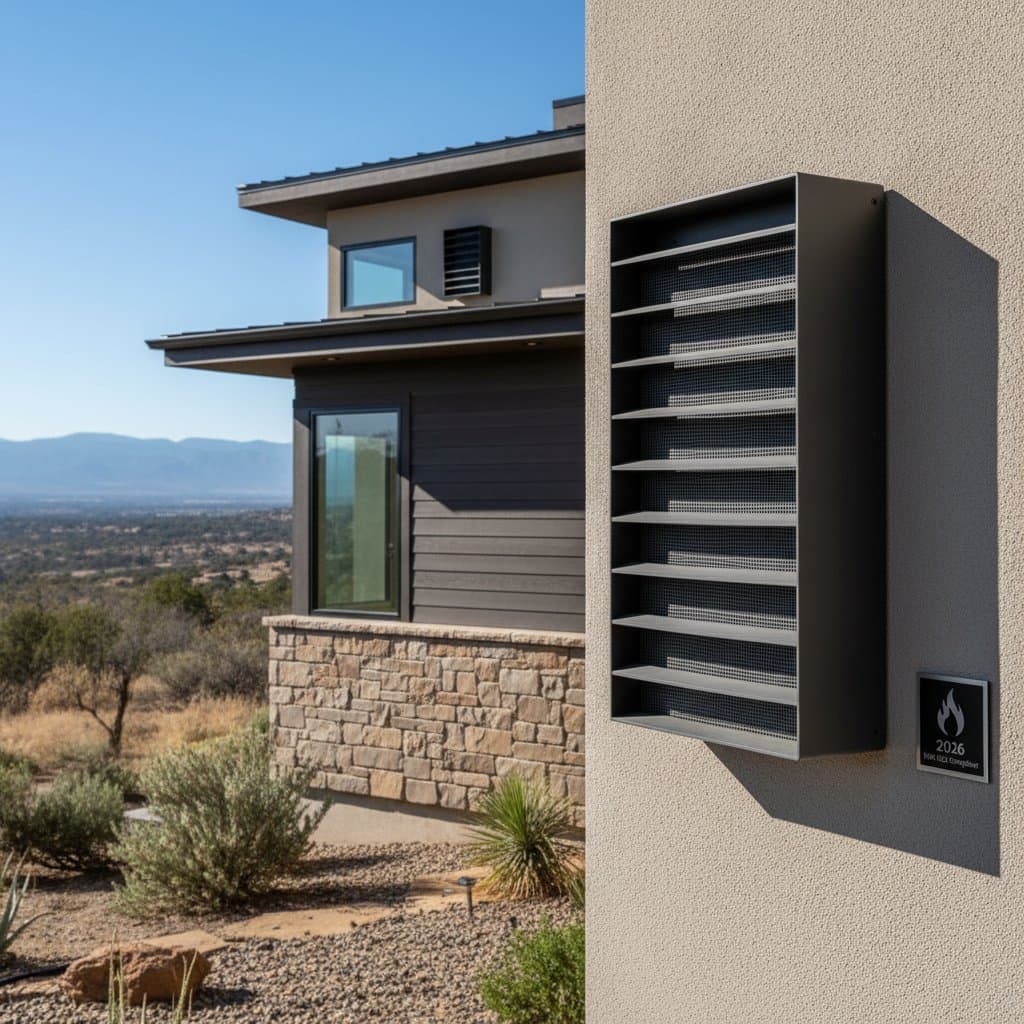
2026 Wildfire Vent Standards Every Homeowner Should Know

2026 Wildfire Vent Standards Every Homeowner Should Know

New 2026 standards require ember resistant vents with specific mesh sizes and certifications. Learn how to select, install, and document compliant vents to reduce wildfire risk and support insurance and resale goals.

Katlyn PolinoMay 16

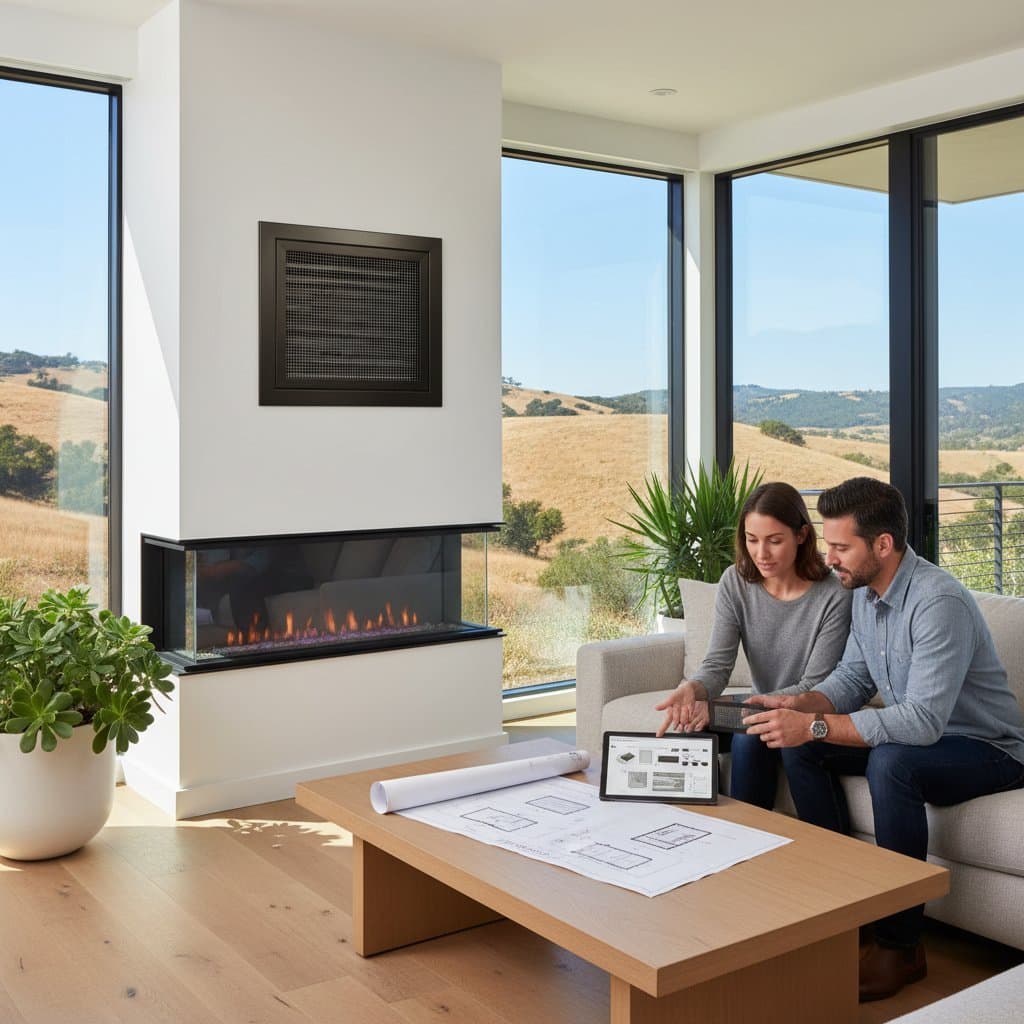
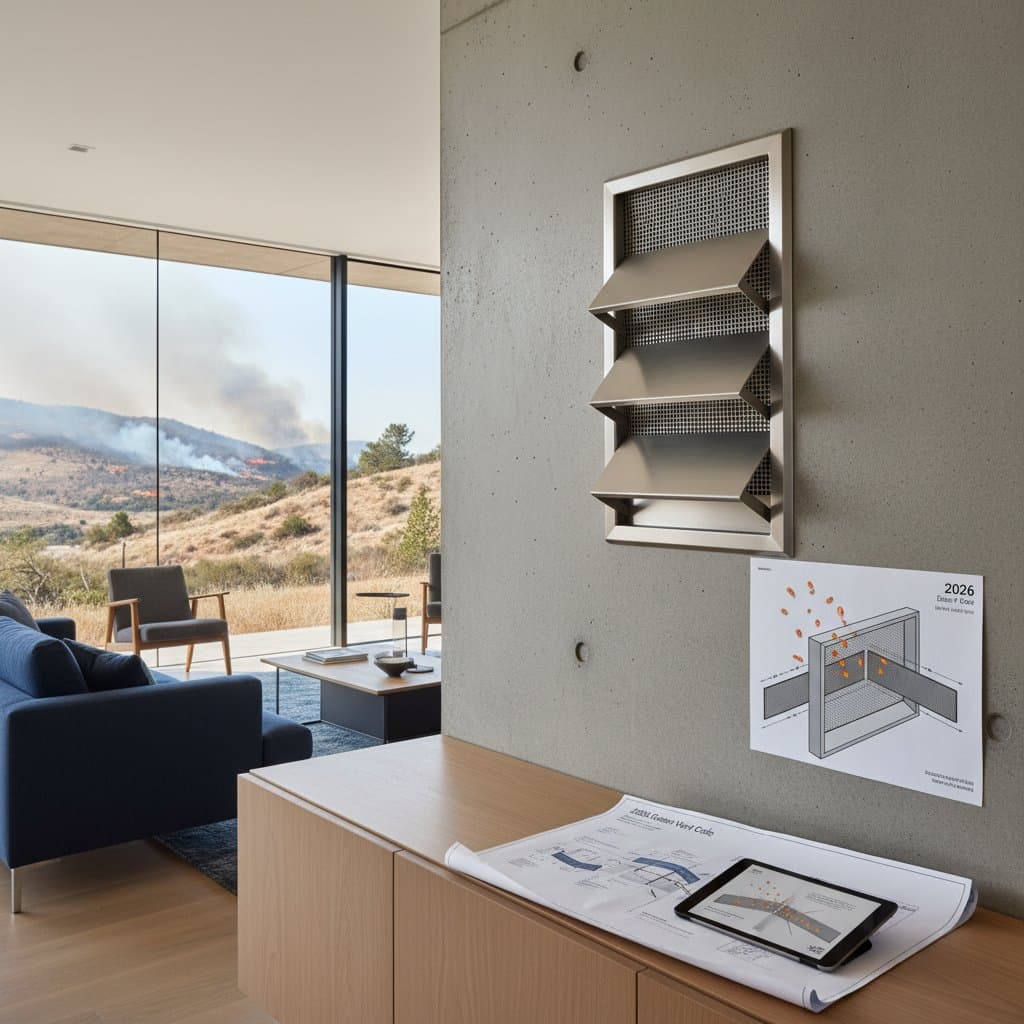
2026 Wildfire Codes Require Ember-Resistant Vents

Starting in 2026, new building codes mandate ember-resistant vents to bolster wildfire defense in high-risk areas. These vents permit essential airflow yet block invasive embers, delivering robust protection, energy savings, and compliance with Wildland-Urban Interface regulations. Homeowners gain practical insights into vent options, costs, and maintenance to fortify their properties effectively.

5 min read
By Charlie McCann

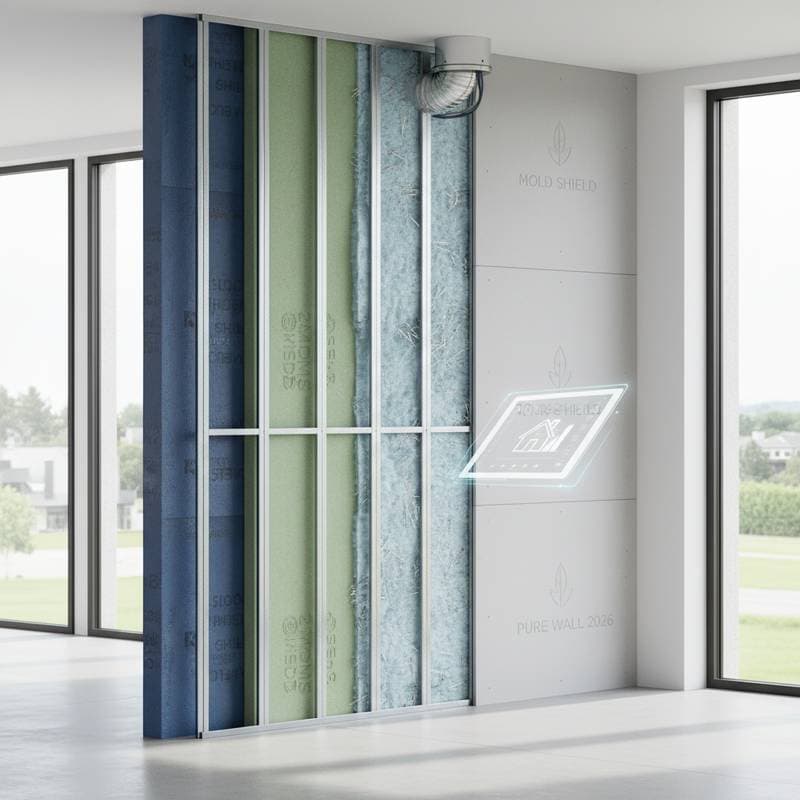
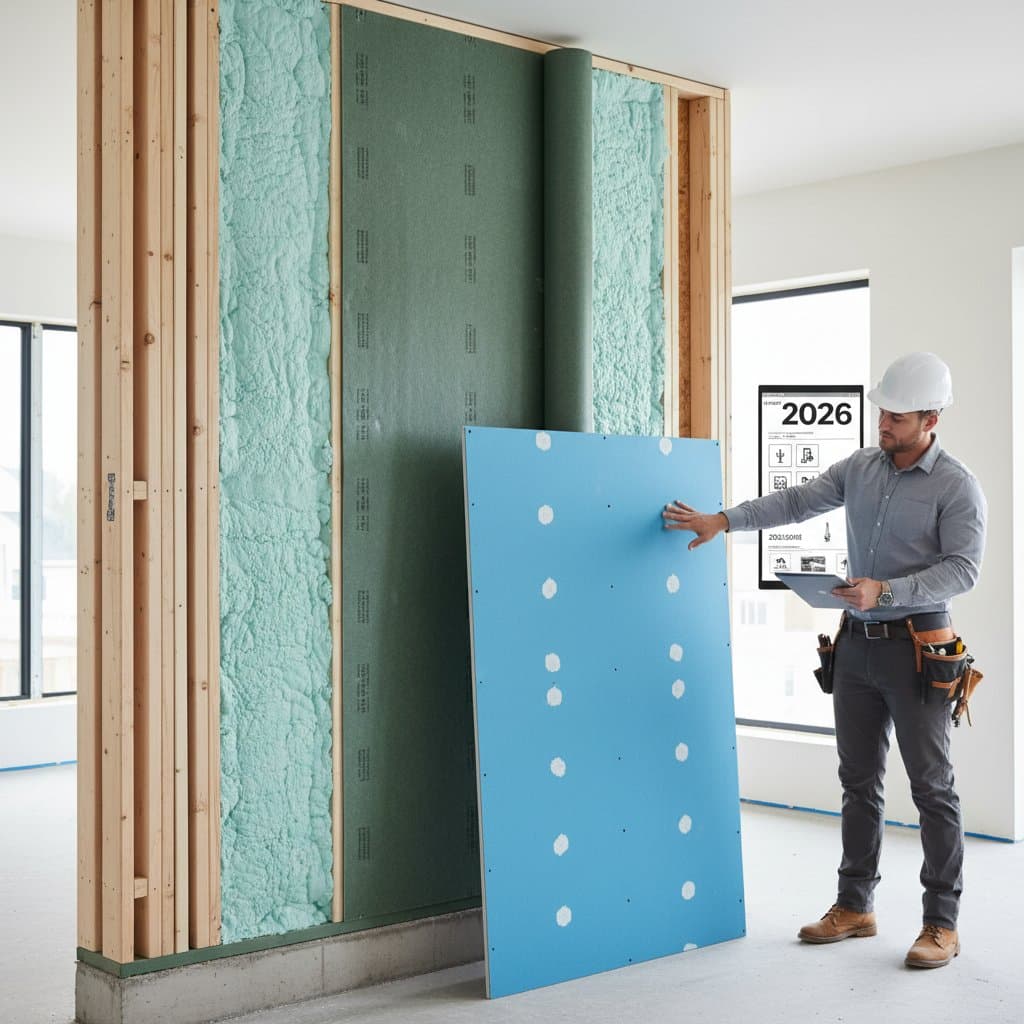
Moisture Control Materials That Stop Mold Before It Starts

The 2026 building codes introduce rigorous moisture control and ventilation requirements for home construction. Selecting certified mold-resistant materials enhances health, maintains property value, and reduces long-term expenses. Options spanning drywall to insulation promote superior air quality, structural integrity, and energy efficiency for forward-thinking homeowners.

5 min read
By Stacy Cadri

Why Embers Ignite Homes Before Flames Ever Arrive

Wildfires threaten homes through embers that infiltrate vents and ignite interiors long before flames approach. The 2026 Ember Vent Code establishes standards for ember-resistant vents that maintain airflow while blocking threats. Discover material innovations, installation options, and maintenance practices to achieve compliance and bolster home resilience.

4 min read
By JoAnn Souza

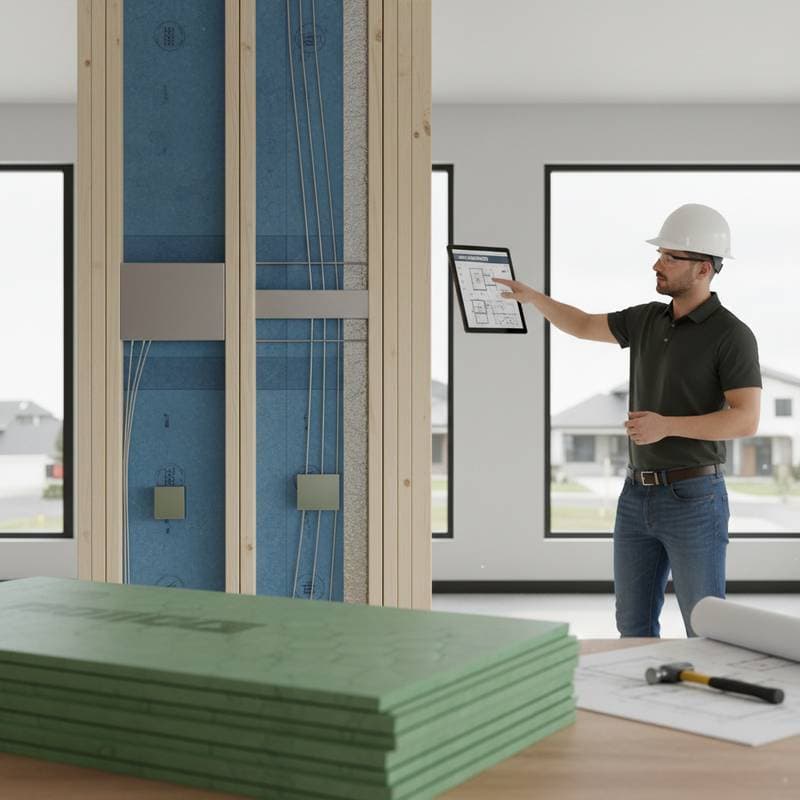
Mold-Resistant Materials Now Required by 2026 Codes

Starting in 2026, building codes will enforce the use of mold-resistant materials to boost home durability and indoor air quality. Options such as fiberglass-faced drywall and coated sheathing combat moisture effectively, while also supporting energy savings. Builders and homeowners can prepare now by evaluating climate needs and verifying standards for lasting protection.

5 min read
By Charlie McCann

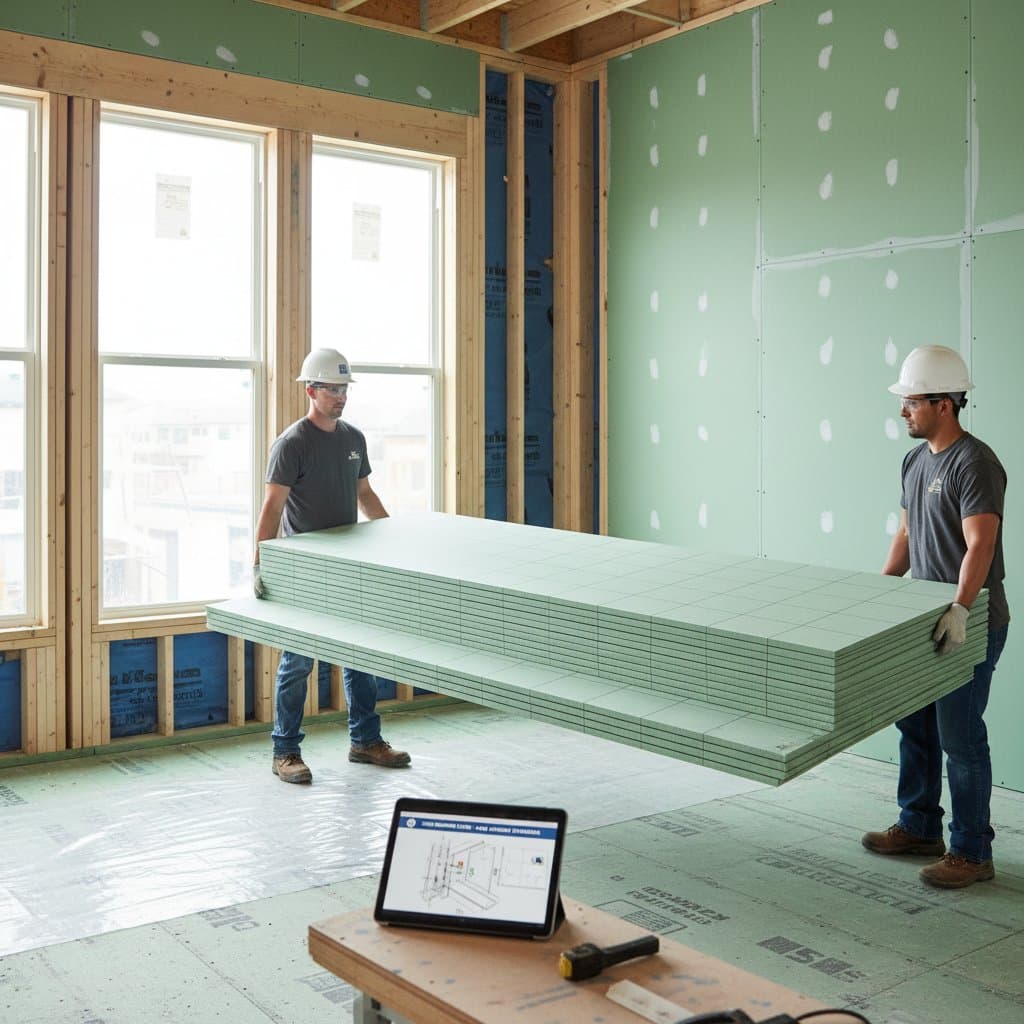
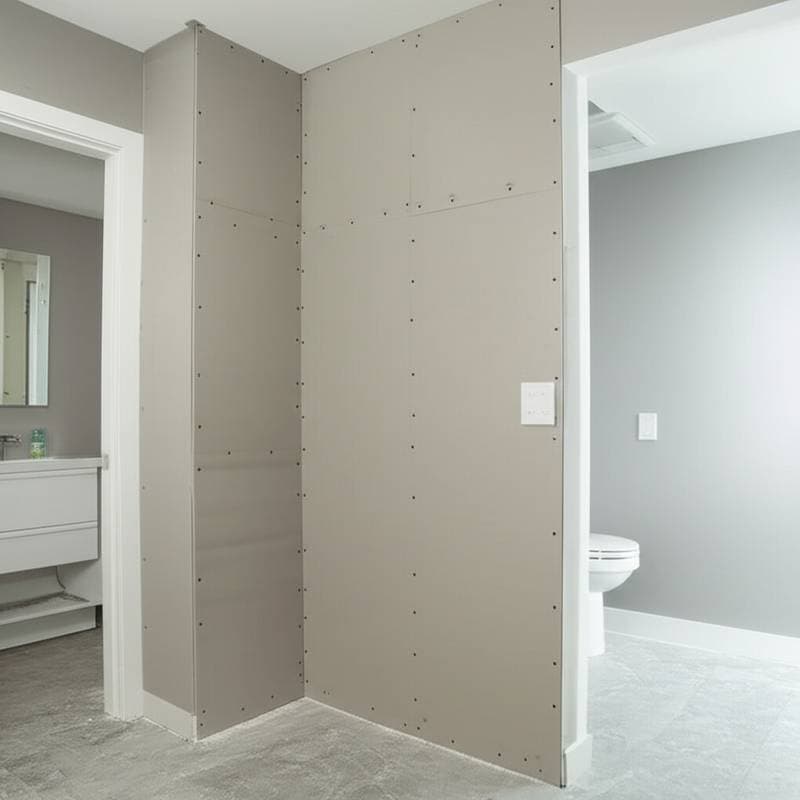
2025 Codes Now Require Mold-Resistant Drywall

The 2025 building codes establish stricter moisture control measures, positioning mold-resistant drywall as a key requirement for contemporary construction. These panels safeguard bathrooms, basements, and other vulnerable areas by enhancing air quality, extending durability, and ensuring regulatory adherence. This guide covers code updates, expense considerations, and effective installation methods to secure your home's walls and well-being for years ahead.

5 min read
By Becca Roberts