2026 Wildfire Vent Standards Every Homeowner Should Know
Homeowners in fire prone regions face increasing pressure to upgrade building features that resist wildfire spread. Updated standards taking effect in 2026 place new emphasis on ember resistant vents as a core defense layer. These vents limit the entry of wind driven embers that commonly ignite attics and wall cavities.
Proper vent selection and installation can reduce ignition risk, support code compliance, and strengthen insurance standing. The following sections outline the practical requirements, selection criteria, and steps needed to meet the new expectations.
Core Requirements Under the 2026 Standards
The 2026 updates specify performance thresholds for vent openings in roofs, eaves, and crawl spaces. All new or replacement vents must incorporate mesh or screening with openings no larger than one sixteenth of an inch. This size blocks most embers while still permitting necessary airflow.
Vents must also carry third party certification that confirms resistance to both radiant heat and direct flame contact. Materials such as stainless steel or coated alloys are preferred because they maintain integrity under prolonged exposure. Homeowners should verify that product labeling explicitly references the 2026 performance criteria before purchase.
Selecting Vents for Different Home Areas
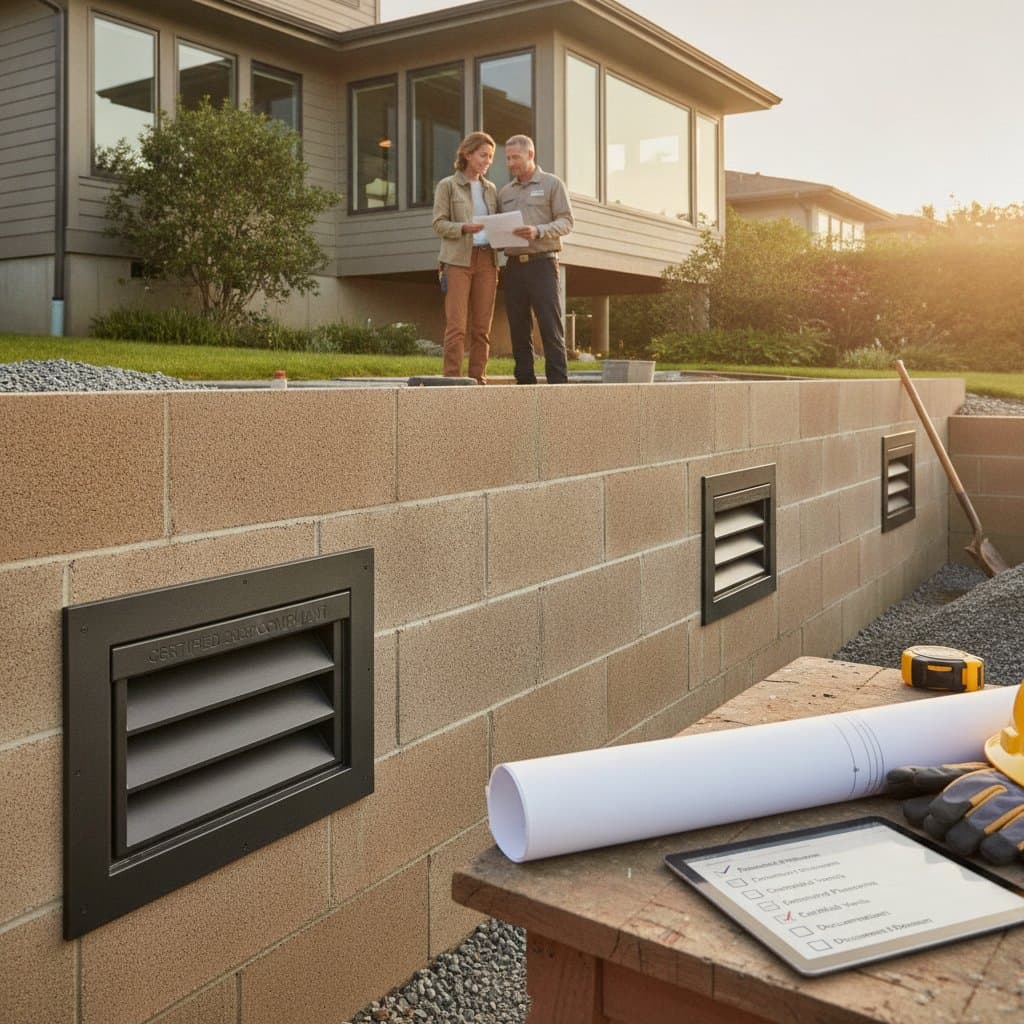
Roof vents require additional weather protection features such as integrated baffles that prevent wind driven rain from entering. Eave and soffit vents benefit from recessed designs that reduce direct line of sight to potential ember sources. Crawl space vents need secure latching mechanisms so they remain closed during high wind events.
When replacing multiple vents on a single property, consistency in brand and model simplifies long term maintenance. Matching vent capacity to the original airflow rating prevents moisture buildup that could otherwise lead to mold or structural decay.
Installation Practices That Support Compliance
Installation begins with a full inspection of existing openings to confirm that framing and sheathing remain sound. New vents should seat flush against the exterior surface so that no gaps allow ember intrusion. Sealant applied around the perimeter must be rated for exterior use and remain flexible across temperature swings.
Professional installers typically complete the work in one day for an average single story residence. Permits are required in most jurisdictions, and final inspection verifies that all vents meet the mesh size and material standards. Homeowners who attempt self installation should follow manufacturer torque specifications for fasteners to avoid warping the vent frame.
Budget Considerations and Long Term Value
Material costs for code compliant vents range from twenty five to sixty dollars per unit depending on size and finish. Labor adds another one hundred fifty to three hundred dollars per installation day. These figures vary by region and roof complexity.
The investment frequently returns value through lower insurance premiums and higher resale appeal. Buyers increasingly request documentation that a home meets current wildfire standards. Homes equipped with certified ember resistant vents often sell faster and command stronger offers in high risk markets.
Preparing Documentation for Insurance and Resale
Keep product specification sheets and installation receipts in a dedicated home file. Photographs taken before and after installation provide visual proof of compliance. Some insurers now request this documentation during policy renewal or after a wildfire event.
Real estate disclosures in many states require sellers to note whether vents meet the latest standards. Providing this information upfront reduces negotiation delays and demonstrates proactive maintenance.
Next Steps for Homeowners
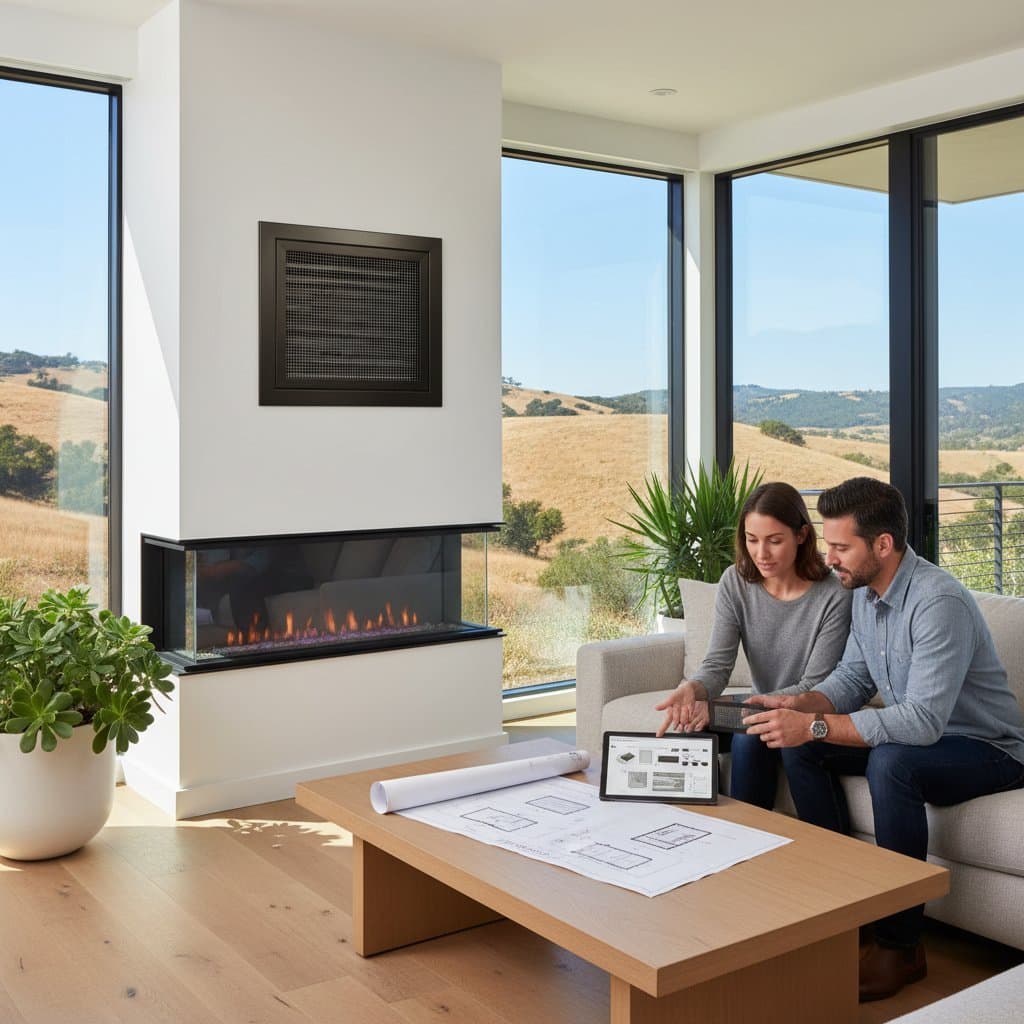
Begin by inventorying every vent location on the property and noting its current condition. Cross reference each opening against the mesh size and certification requirements outlined above. Schedule a consultation with a licensed contractor familiar with local adoption of the 2026 standards to obtain a detailed scope and timeline.
Completing upgrades before peak fire season reduces exposure and positions the home for stronger protection throughout the coming years.