The 2026 Shift to Mold-Resistant Building Materials
Home renovation projects nationwide now prioritize changes beyond aesthetics. Mold-resistant building materials emerge as the standard for concealed structural elements. These innovations address moisture challenges that degrade materials, elevate health concerns, and escalate expenses. New codes enforce this transition, positioning proactive adoption as essential for homeowners.
Project Snapshot
Average Cost: $6,800 - $19,000
Timeline: 2 - 8 weeks
Lifespan: 25 - 50 years depending on materials
Best Season: Spring or Fall
DIY Friendly: Partial
Why Mold Resistance Emerges as Essential
Moisture damage ranks among the most expensive homeowner repairs. Evolving climate patterns increase humidity in various regions, exposing vulnerabilities in traditional drywall and wood sheathing. Insurance claims for mold remediation have surged, prompting regulatory and industry responses.
A typical scenario involves a bathroom remodel revealing extensive wall damage from prolonged moisture exposure. Standard drywall absorbs water over time, rendering cleaning ineffective. Opting for gypsum-based mold-resistant boards, despite higher initial costs, prevents such failures and yields substantial savings.
How Building Codes Propel the Transition
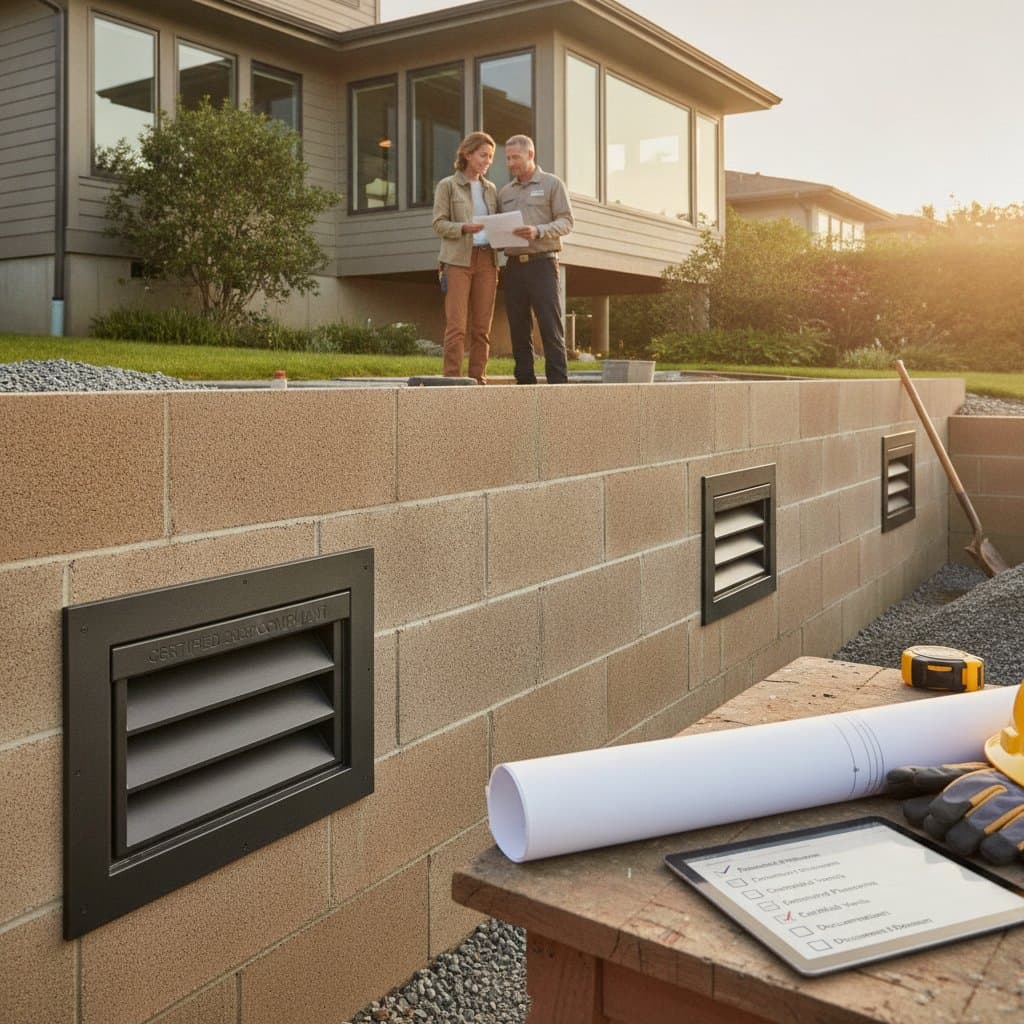
Updated construction codes emphasize indoor air quality and structural longevity. Requirements target mold, mildew, and water absorption in humid areas such as bathrooms, basements, and kitchens. Enhanced moisture barriers and ventilation systems mitigate condensation risks.
For remodels, these codes imply stricter permit criteria, demanding documentation of resistant materials. Contractor estimates reflect elevated material expenses, yet these investments boost property resilience and curb ongoing maintenance.
Cost Breakdown in the Current Market
1. Drywall and Wall Panels
- Standard Drywall: $0.50 - $0.70 per square foot
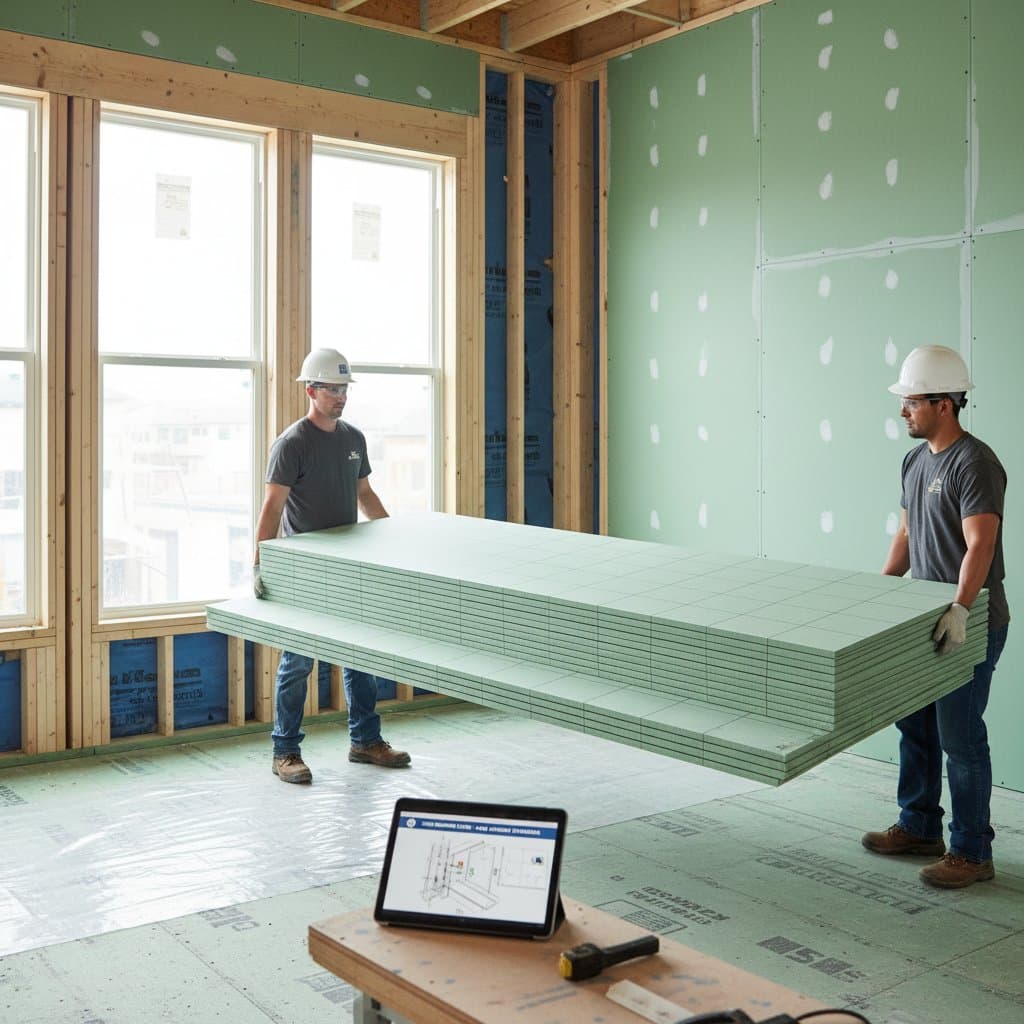
- Mold-Resistant Drywall: $0.75 - $1.25 per square foot
- Cement Board (for wet areas): $1.50 - $2.00 per square foot
2. Insulation and Vapor Barriers
- Fiberglass Batts: $0.80 - $1.00 per square foot
- Closed-Cell Spray Foam: $2.50 - $3.50 per square foot
- Moisture Barrier Membranes: $0.50 - $1.00 per square foot
3. Flooring Underlayment and Substrates
- Moisture-Resistant Plywood: $50 - $70 per sheet
- Composite Subfloor Panels: $65 - $85 per sheet
Supply chain disruptions and tariffs on imports elevate prices by 10 to 15 percent over previous levels. North American production ramps up for resistant options, but early ordering secures availability and minimizes delays.
Obtain three free quotes from local contractors.
Decision Framework: DIY Versus Professional Installation
Certain mold-prevention tasks suit capable homeowners, while others demand expert intervention.
DIY-Friendly Projects
- Installing Mold-Resistant Drywall in Small Areas: Suitable for a bathroom wall with appropriate tools.
- Applying Moisture Barriers: Peel-and-stick membranes or vapor barriers beneath flooring work for skilled individuals.
- Improving Ventilation: New exhaust fans or duct upgrades require basic electrical competence.
Professional-Only Projects
- Basement Waterproofing: Involves drainage, sump pumps, and foundation treatments.
- Spray Foam Insulation: Certified applicators handle chemicals and ensure safety.
- Structural Repairs: Licensed professionals assess and remedy framing or sheathing issues.
Drywall tasks prove feasible for DIY, but insulation and structural elements benefit from professional precision.
Optimal Timing for Renovation and Upgrades
Integrate mold-resistant materials prior to visible damage. Proactive installation occurs during planned remodels or system upgrades, when access to walls and ceilings exists.
Spring and fall offer ideal conditions with moderate temperatures and lower humidity, facilitating efficient work. Summer exacerbates drying challenges, and winter hinders ventilation for fume-emitting installations.
Secure contractors ahead for comprehensive projects, as demand grows with code enforcement.
The Science of Mold-Resistant Materials
Mold-resistant drywall incorporates additives that inhibit spore growth. Fiberglass mats replace paper facings, denying mold a nutrient base. Specialized coatings repel water, maintaining dryness in humid settings. Cement board provides superior water impermeability.
Closed-cell spray foam insulation seals air and blocks moisture, starving potential mold. Resin-bound composites in subflooring resist warping and decay. This integrated approach fortifies against water ingress.
A basement finished with fiberglass-faced drywall and vapor-retarding primer shows no signs of issues after two years, unlike traditional paper-faced sections requiring repeated interventions.
Return on Investment and Enduring Benefits
Mold-resistant upgrades deliver strong financial returns, typically 65 to 85 percent, with bathrooms and basements yielding the most. Buyers prioritize health and low-maintenance features in humid climates.
Key advantages include:
- Lower Repair Costs: Sidestep $5,000 to $10,000 wall overhauls from contamination.
- Enhanced Air Quality: Minimize allergens linked to mold.
- Efficiency Gains: Sealed barriers improve insulation and reduce energy loss.
Properties highlighting these features attract quicker sales in moisture-prone areas.
Download the project planning checklist.
Essential Safety Protocols
Mold remediation demands professional expertise to avoid spore dispersal. Engage specialists for suspected hidden growth or rot. Use N95 masks, gloves, and goggles during demolition, and seal waste in plastic for disposal. Discard stained or softened materials without reuse.
In older homes, test for asbestos or lead prior to wall removal. Such precautions avert health hazards during upgrades.
Navigating Market Dynamics and Availability
Demand surges for mold-resistant products, occasionally straining supplies. Domestic output expands, yet gypsum and fiberglass delays persist. Budget 10 percent extra for price volatility in major undertakings.
Labor rates for specialized installations rise 15 to 20 percent due to required training and certifications.
Implementing Mold-Resistant Upgrades
Incorporate resistance into renovation or construction plans. Inspect high-risk zones like bathrooms, basements, attics, and laundry areas for condensation or odors. Swap outdated drywall for resistant variants, and enhance insulation or add dehumidifiers for humidity control.
Find licensed professionals in your area.
Sustaining Mold Resistance Over Time
Structures built with moisture management yield superior air quality and reduced upkeep. Proactive choices eliminate the burdens of damage repair, fostering reliable home performance. This code-driven evolution ensures durable, healthful living spaces.