Understanding the 2026 Building Codes for Moisture Management
Mold growth often begins unnoticed, manifesting as dark spots behind baseboards or persistent musty odors despite thorough cleaning. This issue extends beyond aesthetics, posing health risks and diminishing property value. A personal experience during a bathroom remodel, where concealed mold extended a two-week project into two months, highlighted the critical need for effective moisture control. The forthcoming 2026 building codes elevate standards for moisture resistance, enabling homeowners to safeguard investments, enhance indoor air quality, and avert remediation expenses that frequently exceed thousands of dollars.
The Growing Importance of Mold-Resistant Materials
Homes encounter moisture in various forms, such as humidity in bathrooms or persistent dampness in basements. Conventional materials like drywall, insulation, and wood framing tend to retain moisture, fostering ideal conditions for mold development. The 2026 codes emphasize moisture management, improved ventilation, and verified material performance.
These regulations introduce standardized product labeling, rigorous vapor barrier requirements, and greater contractor accountability. The primary aim involves not only eliminating visible mold but also maintaining dryness in walls, ceilings, and crawl spaces to inhibit growth altogether. In one instance, installing standard drywall in a half-bathroom, supplemented by a basic fan, led to mold spots near baseboards within months. Switching to mold-resistant gypsum board resolved the problem, underscoring that proactive measures prove more economical than subsequent repairs.
Analyzing Costs for Mold-Resistant Upgrades
Prices for mold-resistant materials fluctuate based on location and application. The following breakdown reflects current market values and provides a practical guide.
Drywall and Sheathing
- Mold-resistant drywall: $15 to $22 per sheet
- Standard drywall: $10 to $14 per sheet
- Labor: $1.50 to $2.50 per square foot
Opting for mold-resistant options increases costs by 20 to 30 percent, yet this investment offsets potential remediation fees that can reach thousands.
Insulation
- Closed-cell spray foam: $1.25 to $2.50 per board foot
- Fiberglass with vapor barrier: $0.80 to $1.50 per square foot
- Labor: $1 to $2 per square foot
Closed-cell spray foam delivers superior sealing, functioning as both insulation and moisture barrier, which yields annual energy savings up to 30 percent.
Flooring and Subfloor
- Cement board underlayment: $12 to $18 per sheet
- Mold-resistant plywood: $50 to $70 per sheet
- Labor: $2 to $4 per square foot
These enhancements prove most valuable in moisture-prone areas like bathrooms, kitchens, and basements, where flooring encounters frequent exposure.
Paints and Coatings
- Mold-resistant interior paint: $40 to $70 per gallon
- Coverage: 350 to 400 square feet per gallon
In humid environments, choose paints with antimicrobial properties to inhibit mold spore proliferation, particularly where condensation occurs regularly.
Optimal Timing for Material Installation
Installation success hinges on humidity and temperature levels. Spring and early fall offer ideal conditions, allowing materials to acclimate without excess moisture interference. Steer clear of midsummer applications in humid climates, as trapped moisture may compromise curing processes.
For extensive remodels, procure mold-resistant drywall and insulation in advance. Supply constraints persist for specialty items, so contractors advise ordering several weeks prior to starting work to minimize delays.
Exploring Effective Materials in Detail
Gypsum Boards
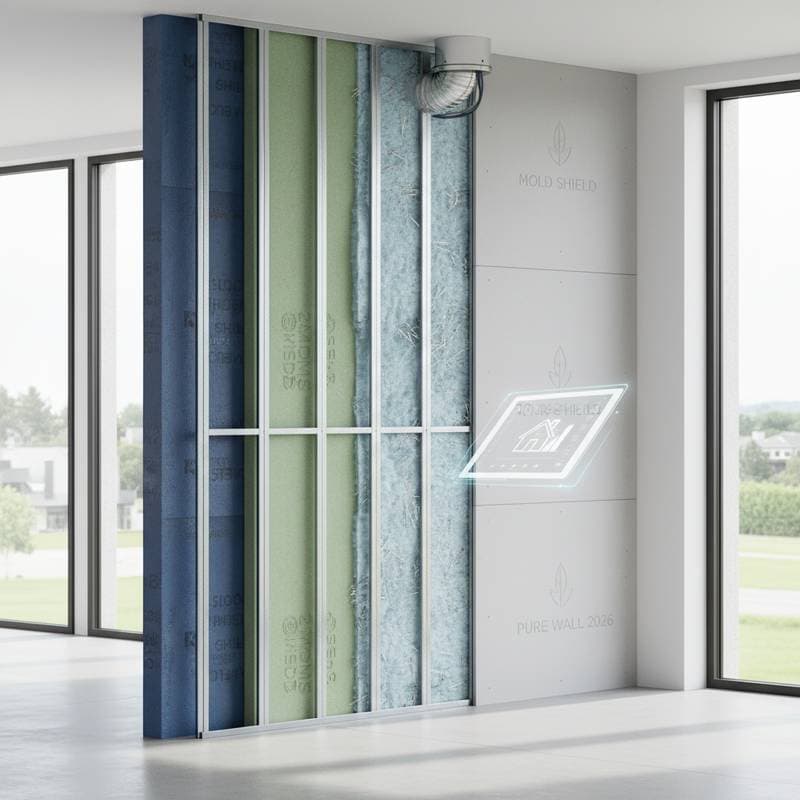
Contemporary mold-resistant drywall incorporates fiberglass mats rather than paper facings, which resist moisture retention. Integrated additives further suppress microbial activity. These boards serve as the preferred selection for high-risk zones including bathrooms, laundry areas, and basements.
Insulation
Closed-cell spray foam excels by establishing a comprehensive air and vapor barrier in a single application. Although pricier, it effectively curbs condensation within walls. In regions with high humidity, this choice distinguishes between sustained dryness and repeated mold issues.
Flooring
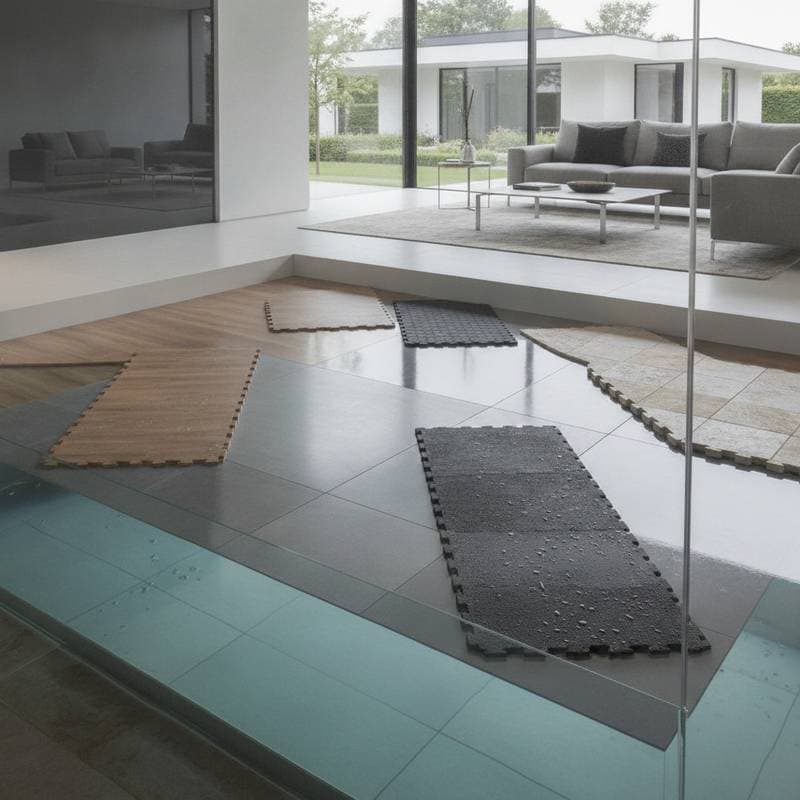
Vinyl plank and ceramic tile endure damp conditions effectively. Beneath these surfaces, cement backer board or waterproof underlayment prevents upward moisture migration. Traditional particleboard subfloors deteriorate rapidly upon water exposure and should be avoided.
Sealants and Caulks
Silicone-based products surpass latex alternatives in water-exposed settings. Reapply caulk around tubs, sinks, and window frames every few years to block leaks that could damage adjacent walls.
Ventilation Systems
Humidity-sensing exhaust fans or intelligent ventilation units maintain optimal levels between 40 and 50 percent, deterring mold. These devices activate automatically during humidity spikes and deactivate to conserve energy.
Engaging Professionals for Code Compliance and Safety
Certain mold-resistant modifications demand professional expertise to ensure safety. Tasks involving structural walls, insulation replacement, or duct alterations risk exposing electrical elements or undetected moisture. Licensed specialists adhere to containment and disposal guidelines.
Avoid self-inspection for suspected hidden mold, as it may disperse spores. Professionals employ infrared imaging and air sampling for precise detection. Inspections typically cost $300 to $700, while remediation ranges from $1,500 for localized issues to over $10,000 for widespread problems.
The 2026 codes mandate records of moisture barrier implementations. Retain receipts and manufacturer specifications, as these documents demonstrate adherence and appeal to prospective buyers.
Executing a Comprehensive Mold Prevention Plan
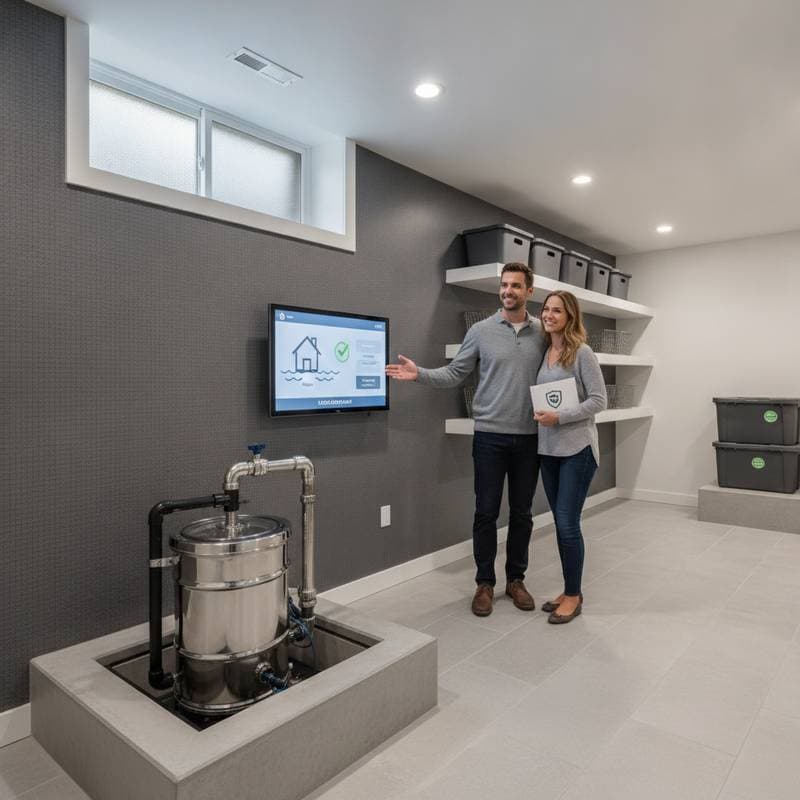
Conduct a thorough moisture assessment by inspecting your home for damp zones or inadequate ventilation. Target bathrooms lacking fans, basements with stale air, or laundry spaces showing condensation.
Establish a feasible budget, noting that comprehensive upgrades for a three-bedroom home range from $8,000 to $20,000. Focus initially on vulnerable areas like bathrooms and basements, expanding gradually.
During remodels, incorporate mold-resistant materials from the outset and request contractor verification of code-compliant ratings.
Sustain these efforts through routine maintenance: clean exhaust fans, track humidity with a hygrometer, and address leaks promptly. Mold prevention requires ongoing vigilance rather than isolated actions.
Adopting these 2026 code-aligned strategies fosters healthier, more resilient living environments, minimizing future mold-related disruptions and expenses.