Ember Resistant Vents: A Critical Defense Against Wildfires
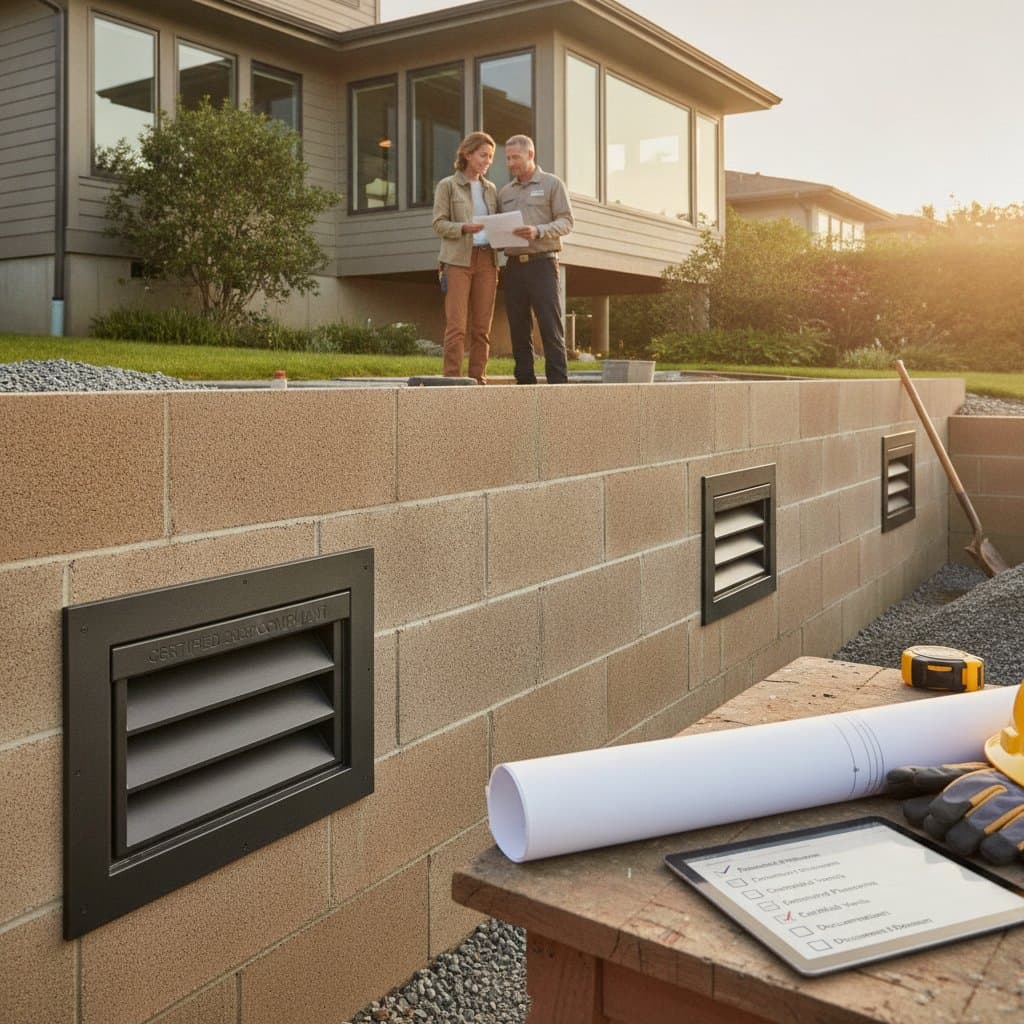
Wildfire risk now extends into suburban neighborhoods and city edges as vegetation dries and wind carries embers for miles. Homeowners in wildland-urban interface zones treat fire resistance as a core investment. Ember resistant vents represent one of the most effective upgrades because they block glowing debris from entering attics and crawl spaces.
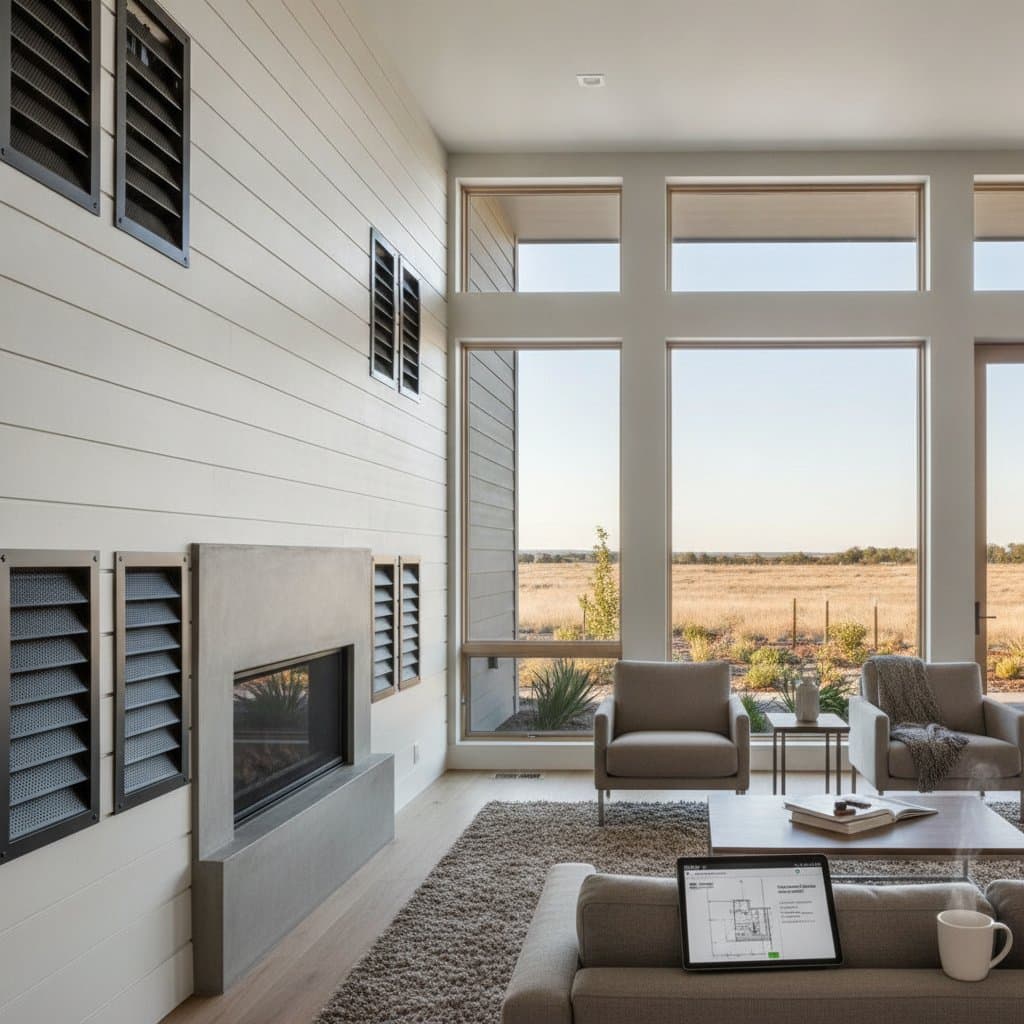
Standard soffit and gable vents allow embers to pass through wide mesh openings. Once inside, embers can ignite insulation and framing. Upgrading to baffled or screened systems stops this pathway and meets current WUI code requirements.
The Growing Need for Ember Protection
Many homes built before recent code updates still rely on basic aluminum vents. Even newer construction sometimes uses noncompliant products. Fire testing shows that proper ember resistant vents lower ignition risk by more than 90 percent when installed correctly.
Material availability remains tight because of ongoing supply constraints. Homeowners who delay projects until peak season face higher prices and longer contractor wait times. Acting during the current window secures better scheduling and pricing.
Current Costs and Considerations
Project expenses vary with home size, roof complexity, and vent locations. The following table reflects current material and labor rates.
| Component | Average Material Cost | Labor Cost | Notes |
|---|---|---|---|
| Soffit Vents | $20 to $45 each | $30 to $60 each | Fine mesh or baffled aluminum |
| Gable Vents | $100 to $250 each | $80 to $150 each | Larger openings may require framing |
| Ridge Vents | $8 to $12 per linear foot | $7 to $10 per linear foot | Must carry WUI ember rating |
| Full Home Retrofit | $600 to $1,200 materials | $1,200 to $3,300 labor | Includes sealing and roof access |
Stainless steel mesh and coated aluminum prices have increased roughly 15 percent since last season. Purchasing through regional distributors can reduce material costs by up to 10 percent. Scheduling work before mid-summer avoids premium labor rates.
Optimal Timing for Installation
Retrofits deliver the best value when completed before high-risk months. Contractors have greater availability, and mild weather supports safe roof access. Pairing vent replacement with roof cleaning or insulation upgrades reduces total labor by 15 to 20 percent.
Insurance carriers increasingly require documented ember resistant features for policy renewal. Certified installations can support lower premiums while improving the home safety profile for future buyers.
Long-Term Value and Protection
Homeowners report that upgraded vents provide measurable returns through avoided damage and insurance savings. Additional benefits include reduced attic heat buildup and extended roof service life.
Direct advantages include lower premiums in high-risk zones, improved resale positioning, and documented compliance with local building codes. Over time, the combination of insurance savings and reduced repair exposure yields 50 to 80 percent return on the original investment.
Planning Your Retrofit
Begin with a roof inspection to identify all vent locations and confirm current mesh sizes. Select products that carry third-party WUI listings and match existing roof profiles. Engage a licensed contractor experienced with fire-rated installations to ensure proper sealing around each opening.
After installation, schedule annual checks to clear debris from screens and verify that baffles remain intact. These simple steps maintain performance through multiple fire seasons.