2026 Wildfire Zones: What Changed for Your Yard
2026 Yard Rules for Wildfire Ember Defense
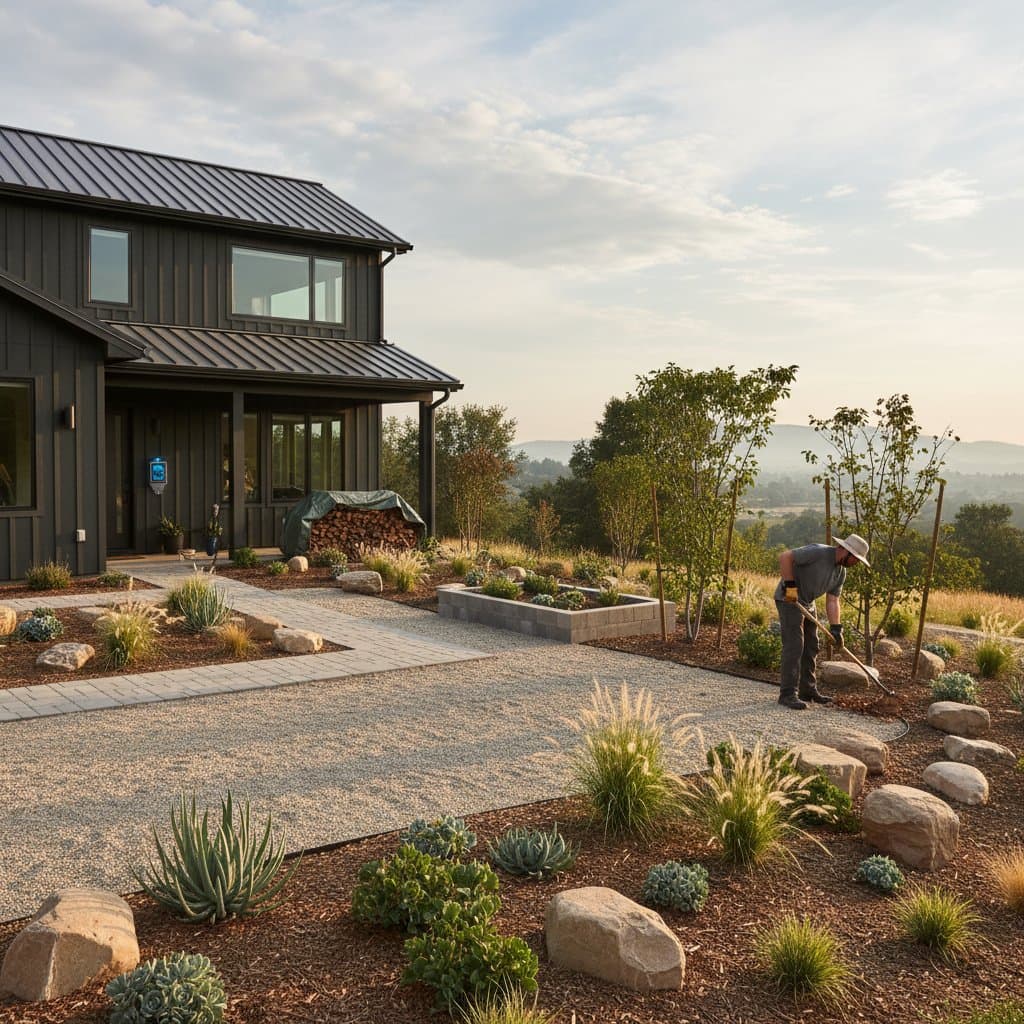
Yards serve as the initial barrier against wildfires, yet they often harbor hidden risks. Embers carried by wind can ignite materials far from the main fire front, such as mulch, outdoor furniture, and roofing. The updated 2026 regulations transform landscaping into a strategic defense by emphasizing plant selection, spacing, and material choices that resist ignition. Compliance with these rules safeguards properties, enhances resident safety, and frequently elevates home values in fire-prone areas.
Understanding the 2026 Ember Defense Requirements
Current wildfire codes mandate that residents in designated high-risk areas establish precise clearances and incorporate ignition-resistant elements near buildings. The fundamental principle involves restricting flammable substances close to structures and disrupting continuous fuel paths to slow fire progression.
Properties divide into three distinct zones for management.
- Zone 0: Encompasses the area within 5 feet of the home. This space requires complete removal of all flammable items, including plants, mulch, and debris.
- Zone 1: Extends from 5 to 30 feet outward. Plant low-growing, irrigated species here, paired with noncombustible ground covers like gravel or stone.
- Zone 2: Covers 30 to 100 feet, or farther based on terrain slope and jurisdiction-specific guidelines. Position trees and shrubs with adequate separation to block lateral fire movement.
Homes on slopes demand extended zones, as flames ascend rapidly uphill, potentially doubling required distances. Consult the local fire department or review county ordinances to confirm exact measurements prior to any landscaping modifications.
Factors That Influence Total Investment
Multiple variables determine the overall expense of achieving compliance.
- Slope and terrain: Properties with irregular topography often necessitate grading and erosion barriers, which increase expenses by 15 to 25 percent.
- Plant selection: Opt for native fire-resistant varieties, which prove cost-effective; however, introducing non-native drought-tolerant options may elevate nursery costs by up to double.
- Material choices: Substituting wood-based mulches with inorganic alternatives like rock or gravel yields long-term savings, despite a potentially higher upfront investment.
- Regional labor rates: In western regions, landscape professionals charge between $70 and $100 per hour on average.
- Access and disposal: Removing vegetation from expansive lots involves debris transport, adding $500 to $1,000 to the budget.
For a typical residential property, anticipate costs ranging from $3,000 to $6,000 to establish defensible space that passes official inspections.
DIY or Hire Professionals?
| Task | DIY Potential | Hire a Professional When |
|---|---|---|
| Raking leaves and clearing debris | High | Property exceeds one acre or features challenging access |
| Replacing wood mulch with gravel | Moderate | Heavy machinery or site grading proves necessary |
| Installing irrigation systems | Low | Trenching occurs near utility lines such as gas or electrical |
| Removing trees or large shrubs | None | Certified arborists or specialists handle the work |
| Designing defensible planting layouts | Moderate | Integration of aesthetics and regulatory compliance requires expertise |
Ongoing maintenance suits do-it-yourself approaches well, yet initial overhauls demand professional input. Experts versed in wildfire standards excel at applying spacing protocols, irrigation configurations, and height restrictions that prevent common compliance pitfalls.
Smart Ways to Save on Ember Defense Landscaping
- Schedule work early in the season. Professionals book rapidly as fire risks rise; initiating projects in spring often lowers labor costs by 10 to 15 percent.
- Reuse existing noncombustible materials. Salvage gravel or stone from other site areas to form the essential 5-foot buffer without additional purchases.
- Select local drought-resistant plants. Species such as manzanita, deer grass, and yarrow demand minimal watering and upkeep, reducing annual expenses by as much as 40 percent.
- Bundle related projects. Pair defensible space enhancements with installations like fences or patios to minimize contractor travel and setup fees.
- Explore available rebates. Numerous counties and utility providers grant $250 to $1,000 in incentives for certified ember-resistant designs.
Obtain at least three quotes from qualified local contractors prior to committing to significant alterations. This practice reveals variations in pricing structures and material specifications.
Key Compliance and Safety Considerations
Effective wildfire preparation extends beyond basic pruning to encompass resilient materials and thoughtful configurations.
- Eliminate wood mulch or bark chips within 5 feet of structures. Install rock, gravel, or pavers to form a non-ignitable perimeter.
- Address ladder fuels. Prune lower branches on trees to maintain a minimum 6-foot vertical gap above surrounding shrubs, preventing ground fires from reaching the canopy.
- Upgrade connecting fences. Replace wooden sections adjoining the home with metal or composite materials for the initial segments.
- Conduct routine roof and gutter maintenance. Even small accumulations of dry needles pose ignition hazards from stray embers.
- Sustain irrigation functionality. Uniform moisture levels inhibit rapid combustion; test systems regularly, especially ahead of prolonged dry spells.
- Adhere to jurisdiction-specific codes. Certain areas now enforce ember-screened vents and Class A fire-rated roofing in vulnerable zones.
Engage specialists for tasks involving large tree extractions or retaining wall replacements, as errors may compromise slope integrity or disrupt water flow.
Long-Term Benefits and ROI
Investments in ember defense yield tangible advantages. Insurers frequently provide premium reductions of 5 to 10 percent for properties demonstrating verified defensible space. In wildfire-vulnerable markets, appraisers assign premium valuations to compliant landscapes, supporting stronger resale outcomes. These measures deliver security alongside financial upside.
Sustaining Defensible Space Over Time
Yearly upkeep averages $300 to $600, covering essentials like vegetation trimming, debris clearance, and irrigation adjustments. Consistent attention prolongs the effectiveness of installations, averts the need for frequent replacements, and ensures perpetual readiness for evaluations.