Understanding the 2026 Codes and Mold-Resistant Drywall
Home renovation expenses have risen in 2025 due to fluctuating material prices and evolving code requirements. The 2026 building codes introduce stricter guidelines for indoor air quality and moisture control, positioning mold-resistant drywall as a standard rather than an optional upgrade in many regions. These changes address common issues like hidden water damage that lead to structural weakening and health risks.
Planning a remodel or new construction requires awareness of these updates. They influence not only material selections but also overall project budgets and timelines. Early consideration ensures compliance while safeguarding long-term property integrity.
The Push for Mold-Resistant Materials in Codes
Mold poses significant threats beyond surface-level appearance in construction. It compromises drywall integrity, affects underlying framing, and releases spores that impact respiratory health. Code authorities have responded to increasing moisture-related incidents by mandating preventive measures that prove more economical than post-damage repairs.
The 2026 updates specify mold-resistant materials for zones prone to humidity or water contact. This includes bathrooms, laundry areas, basements, kitchens, and walls near plumbing. Non-compliance risks inspection failures, project delays, and additional expenses for builders. For property owners, adherence supports higher resale values and simplifies insurance processes.
Selecting appropriate materials from the outset minimizes future interventions. The incremental cost of mold-resistant options often offsets potential remediation expenses, which can escalate rapidly in affected areas.
Breaking Down Costs in the Current Market
Mold-resistant drywall carries a modest premium per unit, but scaled across larger projects, the difference becomes noticeable. As codes normalize these materials in high-risk zones, supply chains will likely stabilize, potentially easing price pressures.
Material Costs (per 4x8 sheet):
- Standard drywall: $12 to $18
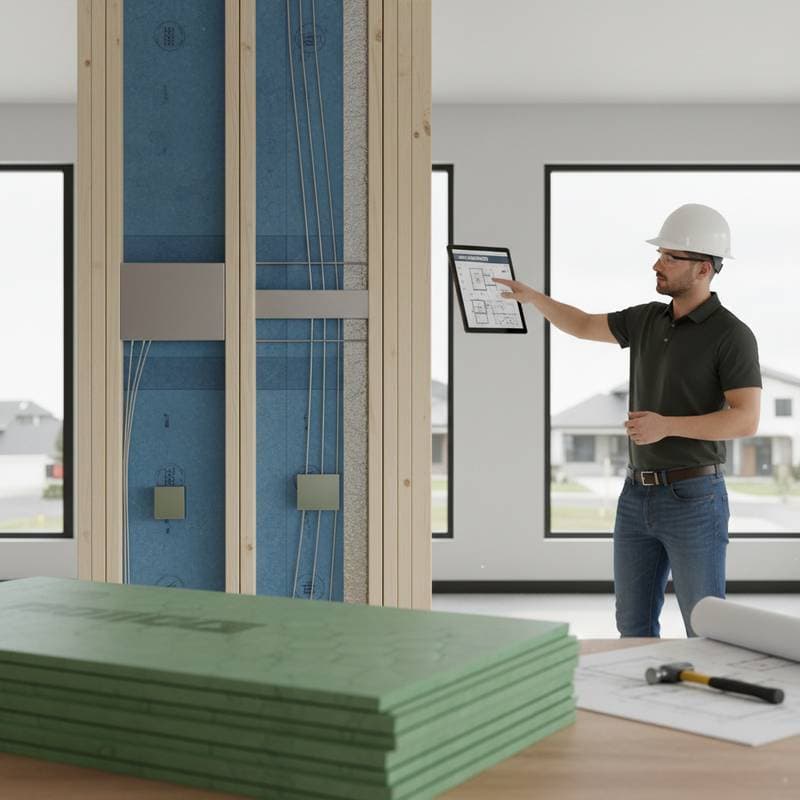
- Green board: $18 to $25
- Fiberglass-faced drywall: $25 to $35
- Cement board: $30 to $45
Labor Costs:
- Professional installation: $1.50 to $3.50 per square foot
- DIY installation: Material costs alone, though finishing demands precision
Regional Variations:
- Urban areas with elevated labor, like coastal regions, may hit $4 per square foot
- Rural locations typically range from $1.50 to $2.50 per square foot
Including primers, joint compounds, and fasteners, a 500-square-foot basement project might total $1,200 to $2,800 based on material and finish quality. The 20 to 30 percent markup for mold-resistant types yields substantial returns, as mold cleanup in a modest space can surpass $5,000.
Weighing DIY Against Professional Installation
Drywall installation involves straightforward techniques but demands physical effort and attention to detail. Mold-resistant variants introduce specific handling needs, such as specialized tapes and compounds to preserve protective qualities.
DIY Benefits:
- Labor savings of $1 to $2 per square foot
- Schedule flexibility
- Skill-building for modest projects
DIY Drawbacks:
- Increased dust from fiberglass types
- Necessity for protective equipment during cuts
- Risk of compromised seals that undermine resistance
Scenarios for Professional Help:
- Areas exceeding 300 square feet
- Comprehensive bathroom or basement overhauls
- Installations tied to moisture barriers, tile support, or inspections
Experienced contractors navigate 2026 code nuances effortlessly, guaranteeing suitable materials and methods. While labor inflates costs by 30 to 50 percent, it delivers reliable results that clear inspections promptly.
Essential Safety and Installation Practices
Fiberglass-faced drywall handling calls for protective attire, including gloves, long sleeves, and masks, to counter irritation from fibers during cutting or sanding. Proper protocols keep exposure minimal and safe.
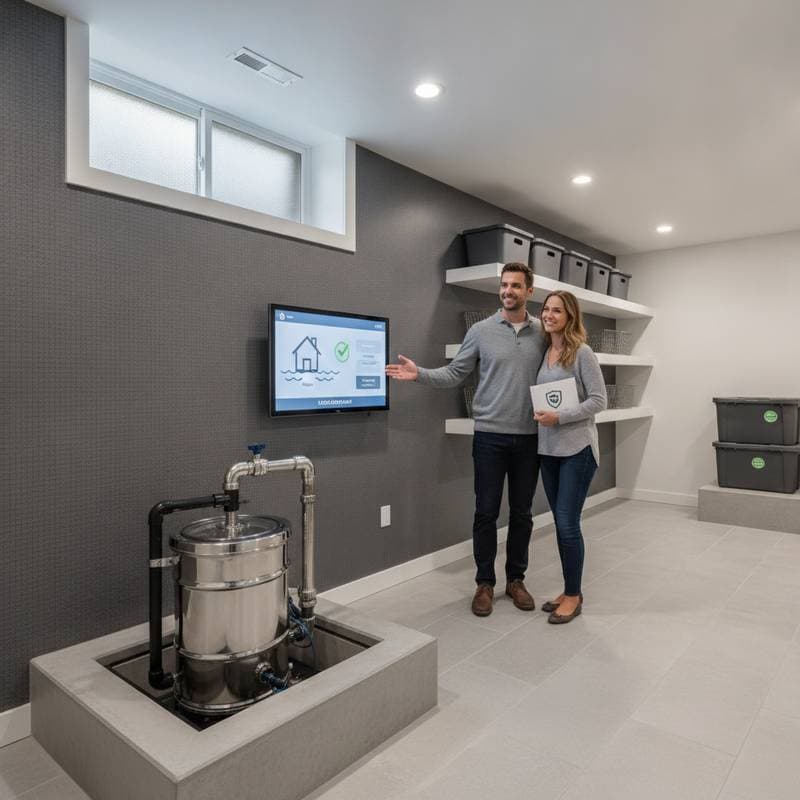
Ventilation remains critical regardless of material choice. Mold can still emerge on surfaces in stagnant environments, so direct exhaust fans outdoors and avoid attic recirculation. In basements, deploy dehumidifiers post-installation to maintain humidity under 50 percent.
Seal electrical outlets, plumbing entries, and window frames with durable caulk or foam. These vulnerabilities often initiate moisture entry, making thorough closure vital for sustained protection.
Steps to Align with the 2026 Code Changes
Anticipate renovations within the coming year by addressing code shifts proactively. The following measures streamline adaptation:
-
Verify Local Adoption Timelines
Contact your building department to pinpoint when 2026 standards activate in your jurisdiction. -
Revise Project Plans
Update pre-existing designs or permits to incorporate approved drywall specifications. -
Secure Material Documentation
Retain manufacturer certifications for your records, as inspectors may verify compliance. -
Adjust Budget Allocations
Allocate an extra 10 to 15 percent for materials and supplementary barriers. -
Account for Inspections
Schedule additional checks for moisture assemblies to prevent workflow disruptions.
These actions curb unexpected modifications and facilitate smooth project progression.
Sustaining Mold-Resistant Drywall Performance
Post-installation care for mold-resistant drywall focuses on routine vigilance. Monitor humidity, employ gentle cleaning agents, and inspect seals around fixtures biannually. Prompt response to indicators like stains, paint lifts, or odors prevents escalation.
Incorporate humidity monitors in susceptible rooms for ongoing oversight. Modern devices integrate with mobile alerts, enabling timely interventions that preserve your investment.