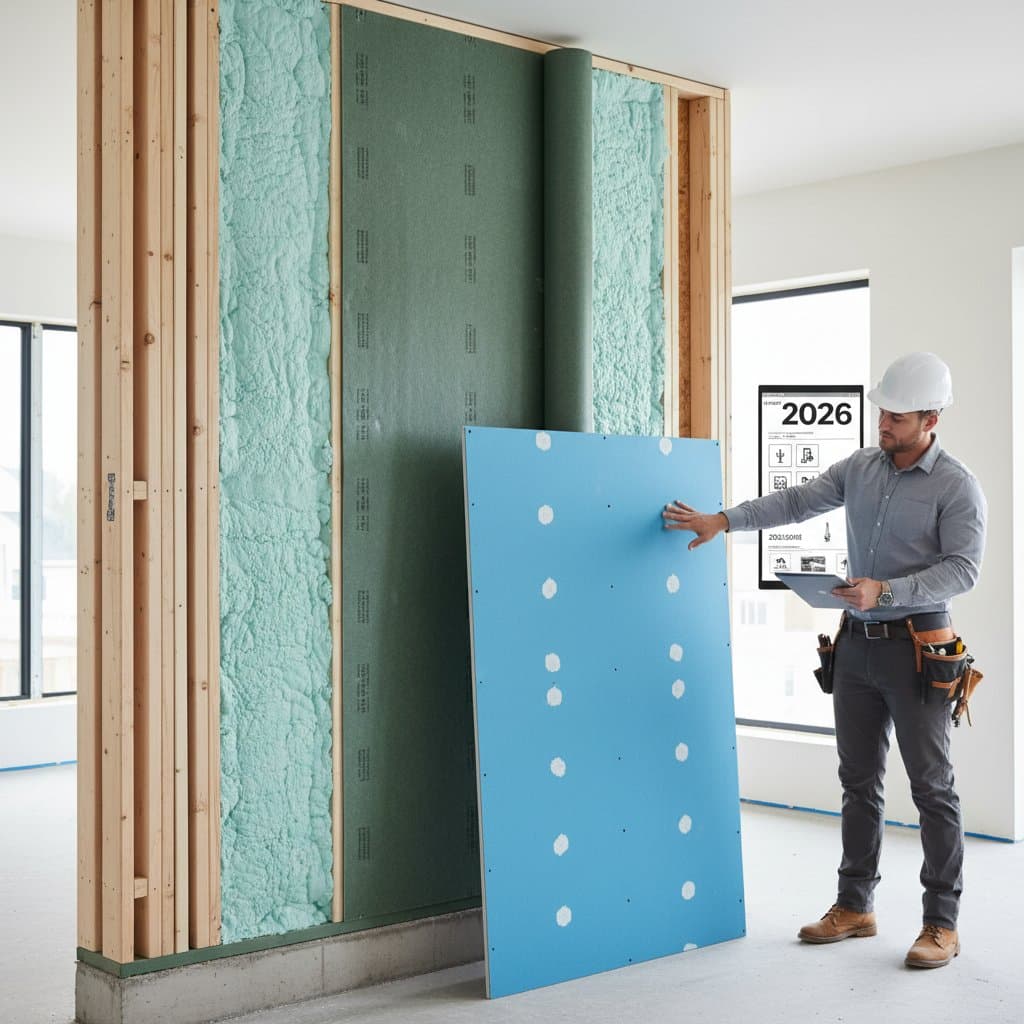
Preparing for 2026: Mold-Resistant Materials in New Building Codes
Selecting materials that resist mold has evolved from an option in humid areas to a standard requirement across regions. New codes focus on proactive moisture control to safeguard indoor air quality and structural longevity. Builders and homeowners gain an edge by learning how these materials integrate into building systems and align with compliance rules.
Why Mold Resistance Matters Under New Codes
Mold develops when moisture persists alongside organic substrates and inadequate ventilation. Past methods depended on vapor barriers and basic airflow, yet current standards demand materials that inherently deter microbial activity. This change stems from greater recognition of health concerns, including allergic reactions and breathing difficulties, plus the financial burden of repairs that cut short a structure's useful life.
Water infiltrates assemblies via vapor diffusion, drafts, or direct leaks. Once present, items like untreated gypsum, fiber-based insulation, and raw lumber hold onto humidity. Mold-resistant alternatives disrupt this process either by limiting nutrient availability or embedding agents that inhibit growth.
Analyzing Performance by Region
Effectiveness against mold varies with local weather patterns. In warm, moist areas classified as DOE zones 1 to 3, selections must endure ongoing damp air contact. Breathable yet protective sheathing enables drying without vapor buildup. Colder regions face interior condensation risks, so options like sealed foams and adjustable retarders preserve warmth differentials to avoid moisture formation points.
Key Climate Zone Factors
- Hot-Humid Zones: Opt for permeable finishes and treated gypsum products. These setups permit excess internal humidity to exit, avoiding wall-trapped condensation.
- Mixed Climates: Choose responsive barriers that adjust permeability based on ambient moisture.
- Cold Climates: Select dense foam boards with minimal water uptake and tight seals to block warm indoor air from reaching chilled surfaces.
Breaking Down Material Systems
Mold-Resistant Drywall Options
These panels swap traditional paper surfaces for fiberglass reinforcements or antimicrobial layers. Ordinary gypsum fosters mold in as little as two days when wet, but rated fiberglass versions score 10 on the ASTM D3273 scale, showing no visible development over time. They suit high-exposure spots like utility rooms, lower levels, and cooking areas, holding form through multiple wetting cycles.
Mold-Resistant Insulation Choices
Batts treated with inhibitors or dense spray foams limit water hold. The closed-cell variety doubles as a seal against air and vapor, cutting cavity dampness risks. Installers must allow full curing and ensure surrounding airflow to satisfy code checks.
Mold-Resistant Sheathing Solutions
Choices such as sealed strand boards or fiber-glass mats deliver robustness alongside water-repelling layers. They limit uptake during site work and form a reliable base for outer finishes. Reputable brands report absorption below 5 percent, aligning with forthcoming regulations.
Performance Metrics at a Glance
| Material Type | Mold Resistance Rating (ASTM D3273) | Moisture Absorption (%) | Installation Cost ($/sq ft) | Lifespan (years) | Maintenance Level |
|---|---|---|---|---|---|
| Standard Drywall | 3–5 | 10–12 | 0.40–0.60 | 30 | High |
| Mold-Resistant Drywall | 9–10 | 4–6 | 0.60–0.80 | 50 | Low |
| Coated OSB Sheathing | 8–9 | 3–5 | 0.85–1.10 | 60 | Low |
| Glass-Mat Sheathing | 10 | 2–3 | 1.10–1.30 | 70 | Very Low |
Ensuring System Compatibility
Transitioning to these materials requires attention to pairings within assemblies. Pair fiberglass drywall with non-reactive tapes and compounds to preserve barrier qualities. When retrofitting spray foam over older batts, adjust sealing and airflow to prevent hidden moisture pockets.
Layered designs demand awareness of moisture flow paths. Humid settings favor outward drying, while cooler ones support inward release. Materials tuned to appropriate permeability levels promote even evaporation across the build.
Evaluating Costs and Returns
These specialized items carry a 10 to 25 percent premium over basics, but benefits accumulate over time. Cleanup from infestations often exceeds preventive outlays by factors of 5 to 10. Better moisture handling also enhances insulation performance, curbing thermal escape and yielding 5 to 15 percent reductions in utility bills when paired with robust seals.
Full lifecycle reviews confirm payback during initial upkeep phases. Less frequent fixes, diminished health issues, and stabilized energy use elevate overall property worth.
Achieving Compliance Through Installation
Regulations specify verified ratings for resistance and uptake via ASTM or ISO protocols. Success hinges on both choices and execution. Seal edges, openings, and junctions with matching sealants. Seek products backed by independent validations for growth inhibition and emission limits.
Plans must outline moisture strategies, noting barrier placements, drainage paths, and air paths. Officials now routinely inspect these elements prior to final sign-off.
Engaging Experts for Optimal Results
Intricate setups in variable climates or energy-efficient designs warrant input from moisture specialists or engineers. They apply simulation tools to forecast water behavior across seasons. Such reviews confirm selections balance retention and release effectively.
Skilled crews versed in these systems handle details like secure attachments, edge finishes, and prep work. Minor lapses can undermine superior specs, so precision counts.
Building for Lasting Protection and Comfort
Embracing code-driven mold strategies advances toward resilient exteriors that sustain integrity and fresh interiors. Early adoption of approved options delivers sustained savings on upkeep and superior living conditions for years ahead.