Understanding the 2026 Ember Vent Code
Wildfires spread destruction through more than advancing flames. Embers, small and airborne, travel great distances on the wind and enter homes via subtle openings. These particles settle in attics, crawl spaces, and soffits, igniting materials from the inside. The 2026 Ember Vent Code addresses this hidden danger by mandating vents that prevent ember entry while preserving necessary ventilation.
This regulation marks a significant evolution in building standards for fire-prone regions. Homeowners benefit from targeted protections that enhance overall structural integrity. Awareness of these requirements empowers individuals to make informed decisions about property maintenance and upgrades.
The Hidden Threat of Embers
Embers resemble glowing dust particles but carry intense heat capable of starting fires upon contact. During a wildfire, they can drift up to several miles from the fire front. Traditional home vents, often featuring large mesh screens or open designs, provide easy access for these intruders.
Once inside, embers accumulate on combustible surfaces like insulation, wooden beams, or stored items. Smoldering begins silently and spreads rapidly if undetected. Studies from fire agencies highlight that ember-induced ignitions account for a substantial portion of home losses in wildfires.
Effective vents must balance security with functionality. They allow air circulation to control humidity and avoid mold growth. The code ensures that safety enhancements do not compromise a home's breathability.
Key Requirements of the 2026 Code
The Ember Vent Code outlines precise specifications to mitigate ember risks. Vents must undergo rigorous testing to simulate real-world exposure. Compliance involves selecting products certified for ember resistance.
Core elements include:
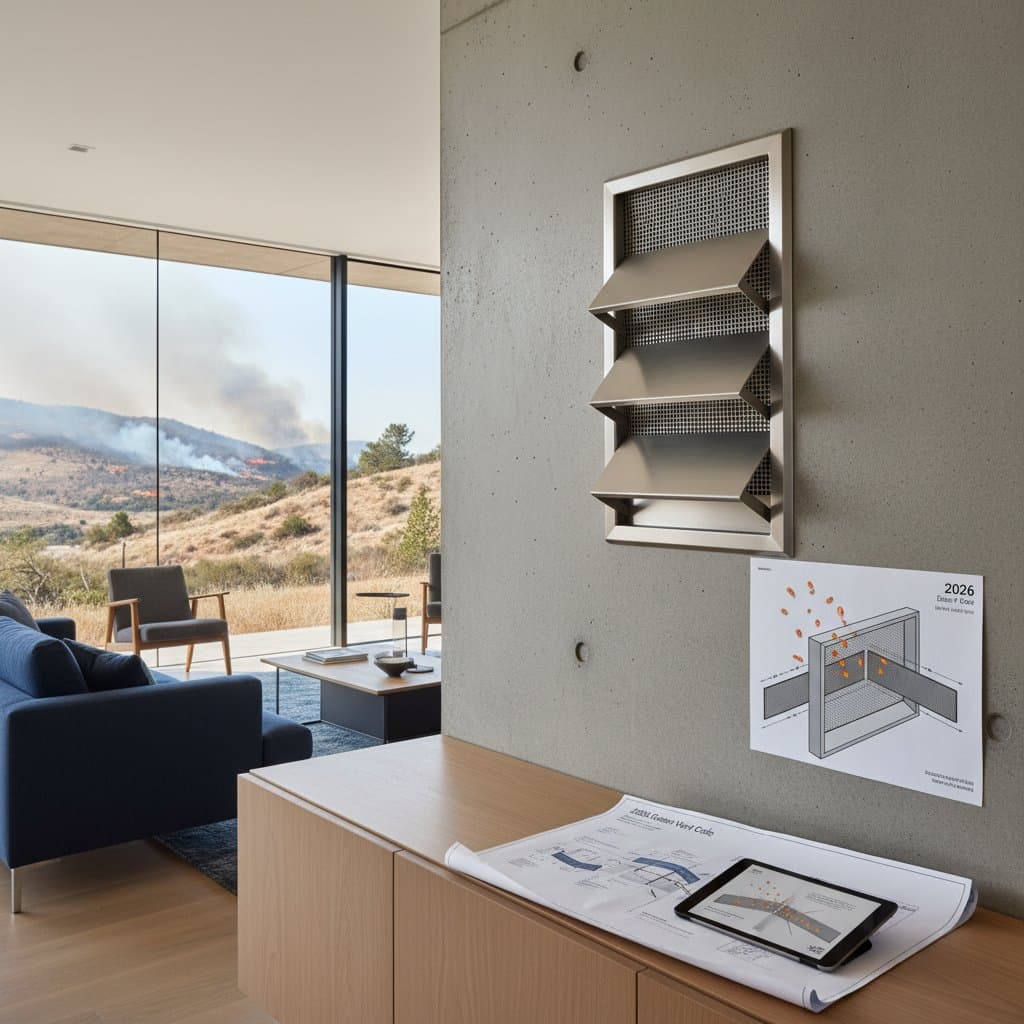
- Mesh openings no larger than 1/8 inch to filter out embers while permitting airflow.
- Construction from noncombustible materials, such as galvanized steel or aluminum alloys, to withstand heat and corrosion.
- Application of intumescent strips that swell in high temperatures, creating a temporary seal against intrusion.
- Installation of baffles or louvers that redirect windborne particles away from the interior.
These features ensure vents operate efficiently in normal conditions. During a fire event, they activate protective mechanisms without manual intervention.
Integrating Safety into Home Design
The code promotes vents that align with aesthetic preferences, avoiding the need for visible compromises. Manufacturers offer customizable options to match various architectural styles. This approach encourages widespread adoption by making safety enhancements appealing.
Consider these examples:
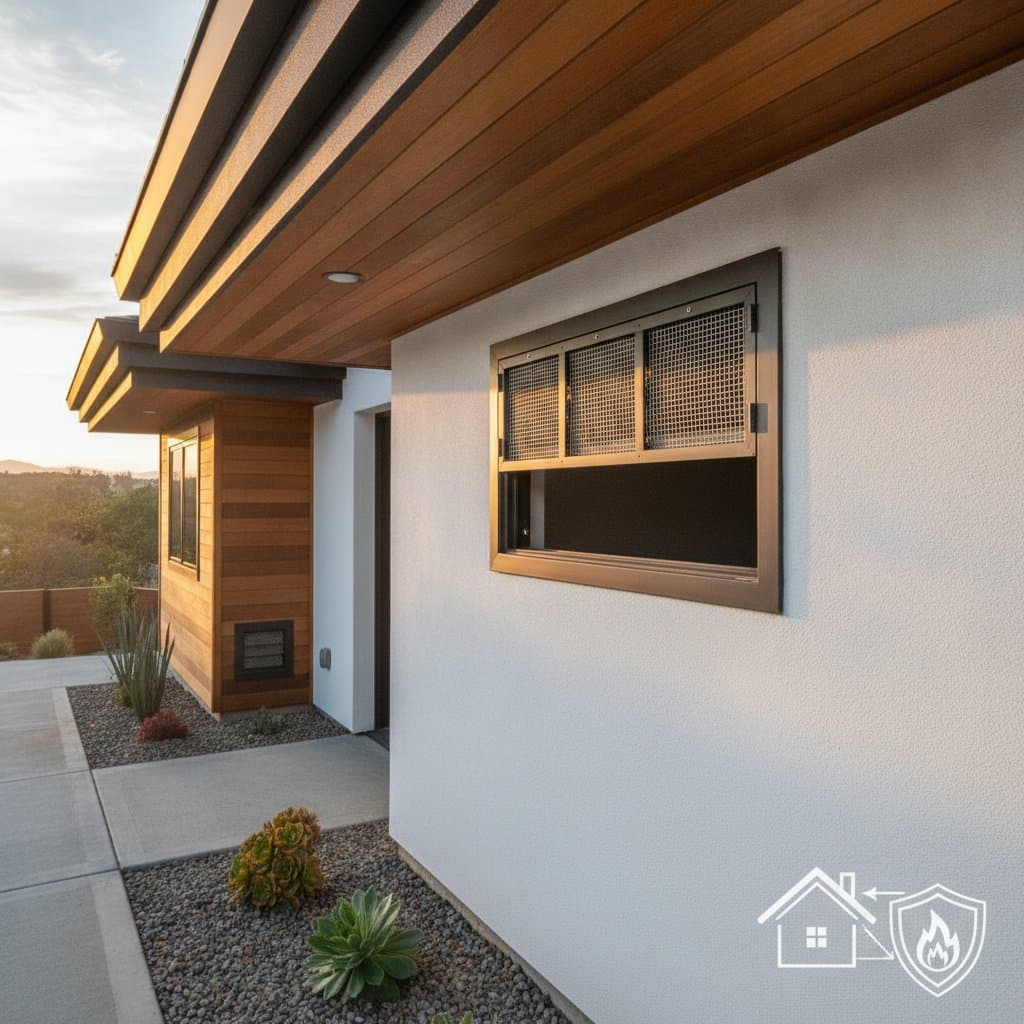
- Bronze-toned vents that harmonize with wooden siding on mountain retreats.
- Sleek, black powder-coated models that blend into dark eaves on contemporary structures.
- Crisp white finishes ideal for light-colored exteriors in suburban or seaside settings.
Such versatility transforms regulatory compliance into an opportunity for design improvement. Homeowners achieve both protection and visual appeal, fostering a sense of confidence in their living spaces.
Retrofitting Existing Homes
For properties built before the code's implementation, retrofitting offers a practical path to compliance. Begin by identifying all ventilation points, including roof vents, foundation openings, and gable ends. Professional assessments reveal the most vulnerable areas.
Replacement involves removing outdated vents and installing code-approved alternatives. Costs vary based on home size and location, typically ranging from a few hundred to several thousand dollars. Many regions provide incentives, such as rebates or tax credits, to offset expenses.
Homeowners can prioritize high-risk zones during phased updates. For instance, attic vents often receive immediate attention due to their exposure. This strategy minimizes disruption while progressively strengthening defenses.
Maintenance for Long-Term Protection
Ember-resistant vents demand routine care to sustain performance. Schedule inspections twice yearly, focusing on debris accumulation and material integrity. Remove leaves, pollen, or dust that could obstruct airflow.
Examine mesh for damage and coatings for degradation. In forested areas, additional checks after storms prevent blockages from fallen branches. Simple tools like a soft brush and compressed air suffice for cleaning.
Proper upkeep extends vent lifespan and ensures reliability during emergencies. Document maintenance activities to track compliance and support insurance claims if needed. This proactive routine reinforces the home's role as a safe haven.
Steps to Secure Your Home Today
Adopting the Ember Vent Code principles starts with a thorough property review. Map out all exterior openings and evaluate their current state against code standards. Consult local building authorities for specific guidelines in your area.
Engage certified contractors for installations to guarantee quality and adherence. Explore product catalogs from reputable suppliers to select suitable options. Budget for these upgrades as part of broader wildfire preparedness efforts, including defensible space creation.
These actions not only meet regulatory demands but also preserve irreplaceable assets. By fortifying vents, homeowners contribute to community-wide resilience. The result is peace of mind, knowing that subtle threats receive vigilant attention.