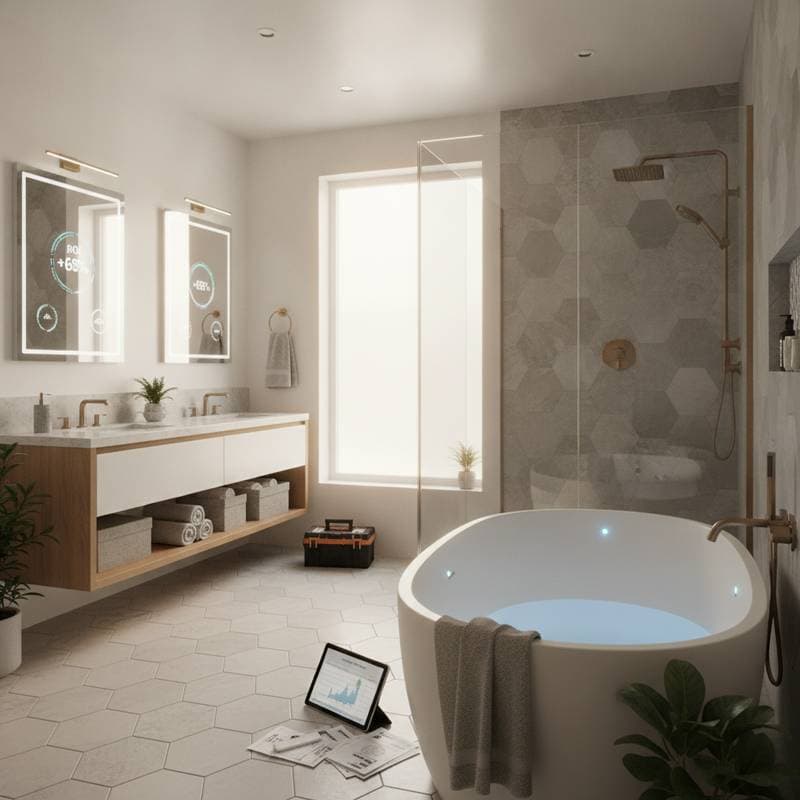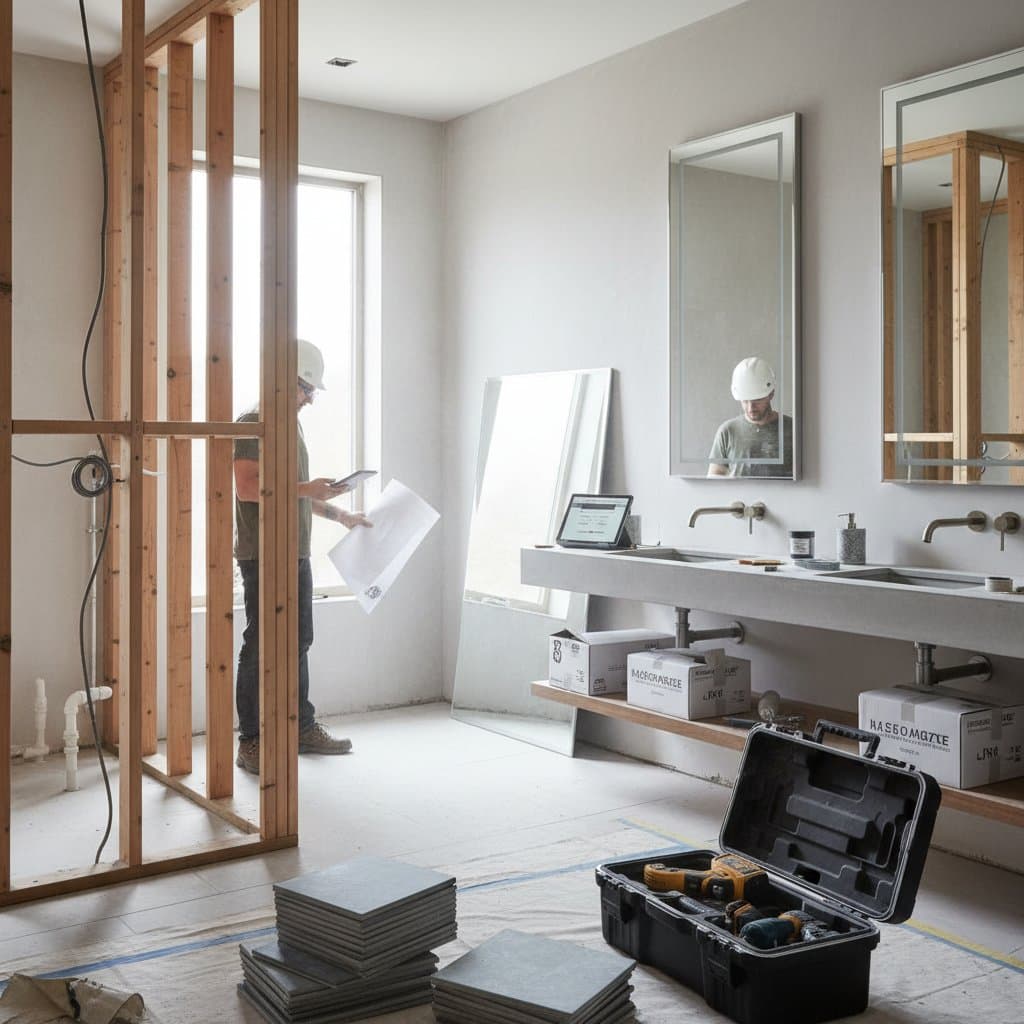
Bathroom Remodel Costs for 2026: What Is Different
Homeowners planning a bathroom remodel in 2026 face higher expenses than in previous years. These increases stem from evolving market conditions that affect every aspect of the project. By gaining insight into these factors, individuals can make informed decisions that align with their financial goals.
Material availability has improved since the height of supply chain disruptions, yet prices for essentials like tiles and fixtures remain elevated. Labor markets continue to experience shortages of qualified tradespeople, which drives up hourly rates. In addition, recent updates to building codes emphasize energy efficiency and safety, often necessitating more specialized work from licensed contractors.
This combination of influences means that even straightforward updates, such as replacing a vanity or installing new lighting, carry a premium. For a small powder room refresh, costs might start at $8,000. Larger transformations, including layout changes or luxury additions, can easily surpass $30,000. Understanding these dynamics empowers homeowners to prioritize elements that deliver the greatest impact without exceeding their budget.
Factors Driving Higher Bathroom Remodel Costs
Multiple economic and regulatory shifts contribute to the upward trend in bathroom renovation expenses. Inflation continues to affect raw material production, keeping costs for items like lumber, metal, and adhesives above historical norms. Supply chains, while more stable, still face occasional bottlenecks from global events, which can delay projects and add indirect expenses.
Labor shortages represent a significant challenge. The construction industry struggles to find enough skilled workers, particularly plumbers and electricians trained in modern codes. This scarcity leads to longer wait times and higher wages, as contractors compete for talent in high-demand areas.
Building regulations have also evolved to promote sustainability and safety. New standards require low-flow fixtures to conserve water and advanced ventilation systems to improve indoor air quality. Compliance often involves additional inspections and materials, increasing overall project costs.
Key Cost Breakdown
To provide clarity, consider these average pricing details for common components:
- Tiles and Fixtures: Standard ceramic tiles cost between $3 and $10 per square foot, offering durability for floors and walls. Porcelain options, which resist moisture better, range from $8 to $15 per square foot. Natural stone selections, such as marble or granite, command $12 to $25 per square foot due to their aesthetic appeal and installation complexity.
- Labor Rates: Licensed plumbers charge $60 to $120 per hour for tasks like pipe rerouting or fixture installation. Electricians, essential for updating outlets and lighting to meet code, fall within a similar range. General contractors overseeing the project typically add 10% to 20% for coordination and oversight.
- Permits and Inspections: Local governments impose fees that vary by jurisdiction. Basic plumbing permits start at $300, while comprehensive electrical approvals can reach $1,200. In areas with seismic or flood risks, additional structural reviews may apply.
For a mid-range remodel of a standard 5-by-8-foot bathroom, allocate $14,000 to $19,000. This covers demolition, new fixtures, tiling, and basic waterproofing. High-end endeavors, featuring custom cabinetry, heated flooring, or spa-like showers, often exceed $30,000 and may require architectural input for design integration.
Regional Variations in Remodeling Expenses
Location plays a crucial role in determining final costs. Urban centers with dense populations and rigorous oversight experience elevated prices. For instance, in high-cost areas like San Francisco or New York, labor and materials can inflate totals by 15% to 25% over national averages. Strict permitting processes in these regions demand detailed plans and multiple site visits, further extending timelines and budgets.
In contrast, rural or suburban locales offer more affordable options. Smaller markets in the Midwest or South often see costs 10% to 20% below the norm, especially for labor-intensive elements like tile setting or cabinet installation. Availability of local suppliers reduces transportation fees, providing another advantage.
Homeowners should consult municipal websites or local building departments early. Some areas now mandate professional certification for even simple tasks, such as relocating a sink. Factoring in these regional nuances ensures accurate estimating and avoids mid-project surprises.
Practical Strategies to Control Costs
Budget-conscious planning allows homeowners to achieve a refreshed bathroom without financial strain. Focus on high-impact changes that enhance functionality and aesthetics while minimizing unnecessary expenditures.
-
Preserve the Existing Layout: Altering plumbing or electrical lines incurs significant fees, often $1,000 to $3,000 for excavation and reconnection. Opt for cosmetic updates within the current footprint to sidestep these costs.
-
Time Purchases for Seasonal Discounts: Major retailers host promotions during spring and fall, slashing prices on vanities, tiles, and fixtures by 15% to 30%. Research upcoming sales cycles and stock up on non-perishable items in advance.
-
Balance Premium and Budget Elements: Invest in a standout feature, like a custom-designed vanity, while selecting affordable stock tiles or builder-grade faucets for other areas. This approach maintains visual cohesion without uniform high spending.
-
Explore Refinishing Options: Instead of full replacement, reglaze an aging bathtub for $400 to $800, restoring its shine and sealing cracks. Regrouting tiles costs similarly and revives surfaces without demolition.
-
Solicit Multiple Quotes: Contact at least three reputable contractors for detailed estimates. This practice uncovers variations in pricing for disposal, materials, and permits, enabling selection of the most competitive bid.
Request free quotes from local professionals prior to finalizing plans. Such diligence often reveals opportunities to bundle services or negotiate inclusions, optimizing value.
Return on Investment and Enduring Benefits
Bathroom renovations yield substantial long-term advantages, particularly in terms of property value. Resale data indicates that homeowners recover 55% to 70% of invested costs upon selling. Features like energy-efficient lighting and low-flow toilets cut water consumption by up to 30%, lowering monthly utility expenses over time.
Proper installation of ventilation systems and waterproof barriers mitigates mold risks and extends the durability of surfaces. For those remaining in their home, prioritize elements that enhance usability, such as grab bars for accessibility or ambient lighting for relaxation. Walk-in showers and radiant floor heating improve daily comfort, contributing to overall well-being.
Selecting timeless designs ensures the space remains appealing for years. Avoid fleeting trends in favor of versatile materials that withstand wear and adapt to future needs.
Protecting Your Remodel Through Routine Care
Sustaining the quality of a newly remodeled bathroom requires consistent upkeep. Address grout lines with gentle cleaning monthly to prevent staining and deterioration. Annually reseal natural stone counters and floors to maintain their protective barrier against moisture.
Inspect caulking around bathtubs and showers biannually, replacing any cracks to block water intrusion. Upgrade exhaust fans if they show signs of inefficiency, as proper airflow combats humidity buildup and preserves structural integrity.
These proactive measures minimize repair needs and preserve the investment. When embarking on your project, establish a maintenance schedule from day one to maximize longevity.
Planning for a Successful Bathroom Upgrade
Approach your bathroom remodel with a defined budget and clear priorities. Assess which tasks suit personal skills and which demand expert intervention for compliance and safety. Collaborate with qualified contractors to execute the vision efficiently.
A well-executed renovation elevates home value and enhances living standards for years ahead. Invest thoughtfully to create a space that combines practicality, style, and resilience.