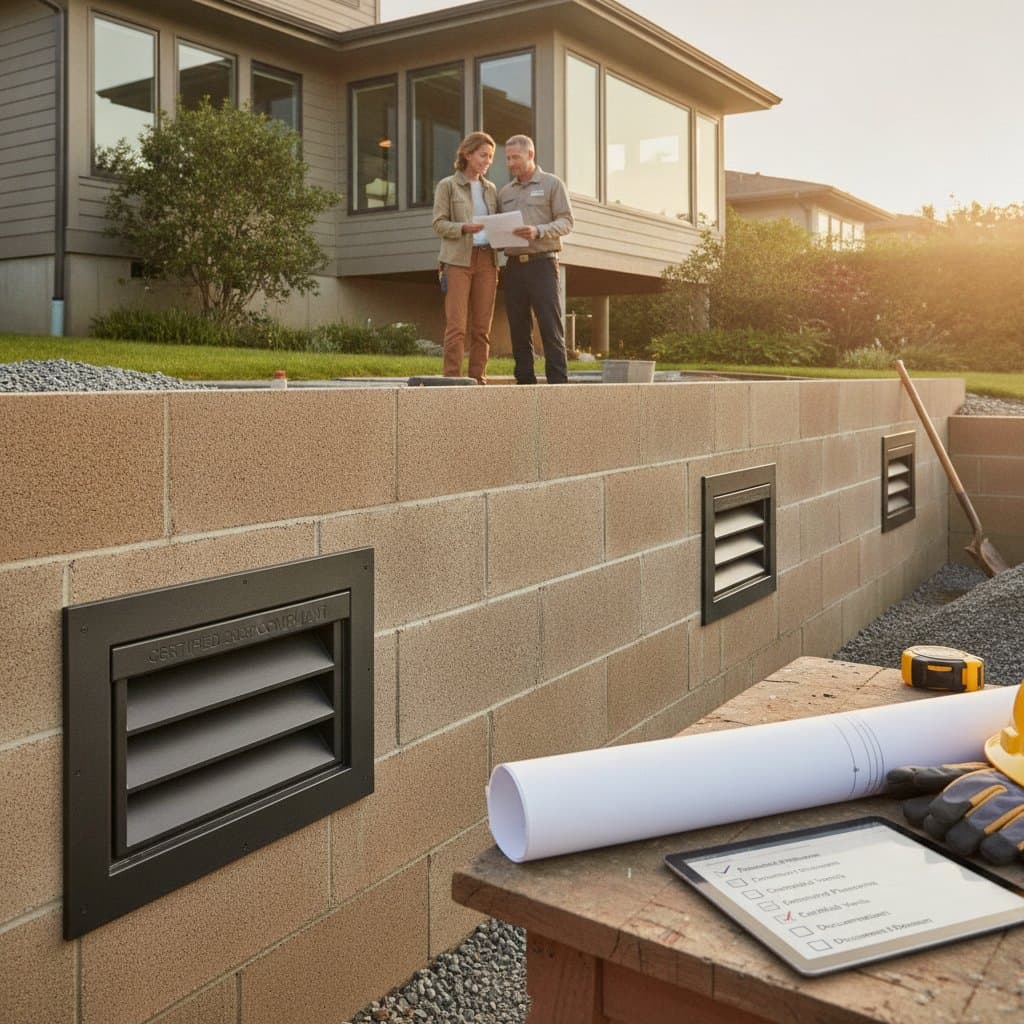
The Real Costs of FEMA Flood Vent Requirements
Home renovation projects across the United States face increased expenses due to FEMA's updated flood vent requirements. These regulations target properties in flood-prone areas and aim to enhance foundation protection against water damage. Property owners must now account for these changes in their budgets, as compliance influences construction costs, insurance rates, and future resale value.
FEMA's standards require engineered vents that permit water flow during floods, preventing structural failure from hydrostatic pressure. Non-compliance risks severe damage, such as cracked walls or shifted footings, which lead to costly repairs. Professional assessments reveal that these installations range from $1,800 to $6,500 per home, depending on foundation type, vent quantity, and local permitting fees.
Why FEMA Flood Vent Requirements Matter
FEMA's regulations ensure that flood vents equalize pressure by allowing water to enter and exit enclosed foundation spaces. This mechanism protects against the inward force that can fracture concrete or dislodge supports during inundation. Without proper venting, foundations in designated flood zones become vulnerable to extensive, often irreversible harm.
The 2026 updates demand precise vent sizing, strategic placement, and third-party certification to guarantee functionality. Each vent must operate automatically, accommodating water flow rather than mere air circulation. These specifications elevate material quality and installation rigor, contributing to higher upfront costs but reducing long-term flood-related liabilities.
Property owners in mapped flood zones benefit from heightened awareness of these rules. Previously, basic vents sufficed at lower prices, but current mandates necessitate consultations with engineers and adherence to building codes. Failure to update invites penalties from insurers and local authorities, amplifying financial exposure during flood events.
Smart Decision Framework: DIY or Professional Installation
Flood vent installation involves technical challenges, including accurate cutting into masonry and ensuring watertight seals. Property owners considering this task must evaluate their skills against the precision required for compliance. Missteps, such as improper alignment, can undermine the system's effectiveness and void warranties.
DIY Installation May Suit These Scenarios
- Existing openings already satisfy spacing and elevation criteria under current codes.
- Local authorities permit owner-performed work on minor retrofits.
- The individual possesses experience with masonry tools, sealants, and basic engineering principles.
In such cases, select certified vents from reputable suppliers and follow manufacturer guidelines meticulously. Verify all measurements against FEMA's net open area calculations, which typically require one square inch per square foot of enclosed space.
Professional Installation Is Recommended When
- An elevation certificate requires revision to document venting compliance.
- The property lies within a high-risk flood zone impacting insurance eligibility.
- The foundation consists of concrete block or poured slabs demanding specialized cutting equipment.
- Documentation for warranties and insurer discounts forms a priority.
Contractors manage permits, inspections, and integration with broader flood defenses like sump systems. They provide detailed reports that support premium reductions, often 10 to 20 percent on flood policies. Obtain quotes from at least three specialists to compare expertise and pricing structures.
Consequences of Non-Compliance
Non-adherence to FEMA flood vent standards carries significant repercussions for property owners. Building departments may deny occupancy permits for renovations or new constructions lacking verified venting. Insurers frequently reject claims if inadequate vents contribute to flood damage, leaving owners responsible for full repair expenses.
Consider a scenario where decorative grilles substitute for certified vents; such substitutions often result in denied coverage and out-of-pocket costs exceeding $10,000 for foundation repairs. Local codes enforce these rules through routine inspections, with fines accumulating for unresolved violations. In resale situations, buyers demand proof of compliance, potentially delaying closings or depressing offers by thousands of dollars.
Flood zone mapping underscores these risks, as properties without updated documentation face heightened scrutiny. Proactive compliance avoids these pitfalls and aligns with rising buyer expectations for resilient homes. Delaying action only escalates potential losses in an era of increasing flood frequency.
Steps to Achieve FEMA Flood Vent Compliance
Property owners preparing for these requirements should proceed methodically to ensure efficiency and accuracy. Begin by confirming the property's status within FEMA's floodplain designations through municipal records. This step clarifies whether venting mandates apply and outlines specific local variations.
Next, examine the existing elevation certificate for accuracy in reflecting foundation details and venting configurations. Engage a licensed surveyor or engineer for updates if discrepancies appear, as this document proves essential for insurance and sales. Certified vents must bear FEMA approval markings; prioritize durable options like stainless steel models rated for corrosive environments.
Solicit bids from qualified installers, including general contractors and flood mitigation experts, to gauge total project scope. Time the work alongside related upgrades, such as exterior drainage improvements, to optimize costs and minimize site disturbances. Maintain comprehensive records of all materials, installations, and approvals to facilitate insurer reviews and future transactions.
Enhancing Home Resilience Through Compliance
FEMA-compliant flood vents represent an investment in structural integrity and financial security. These systems fortify foundations against water intrusion, preserving property value amid growing climate risks. Insurers recognize such upgrades with discounted premiums, yielding annual savings that offset initial outlays.
In flood-vulnerable markets, compliant homes attract discerning buyers seeking verified protections. Integration with comprehensive strategies, including elevation adjustments and barrier installations, amplifies overall resilience. Property owners who prioritize these measures position themselves for sustained protection and market advantages.