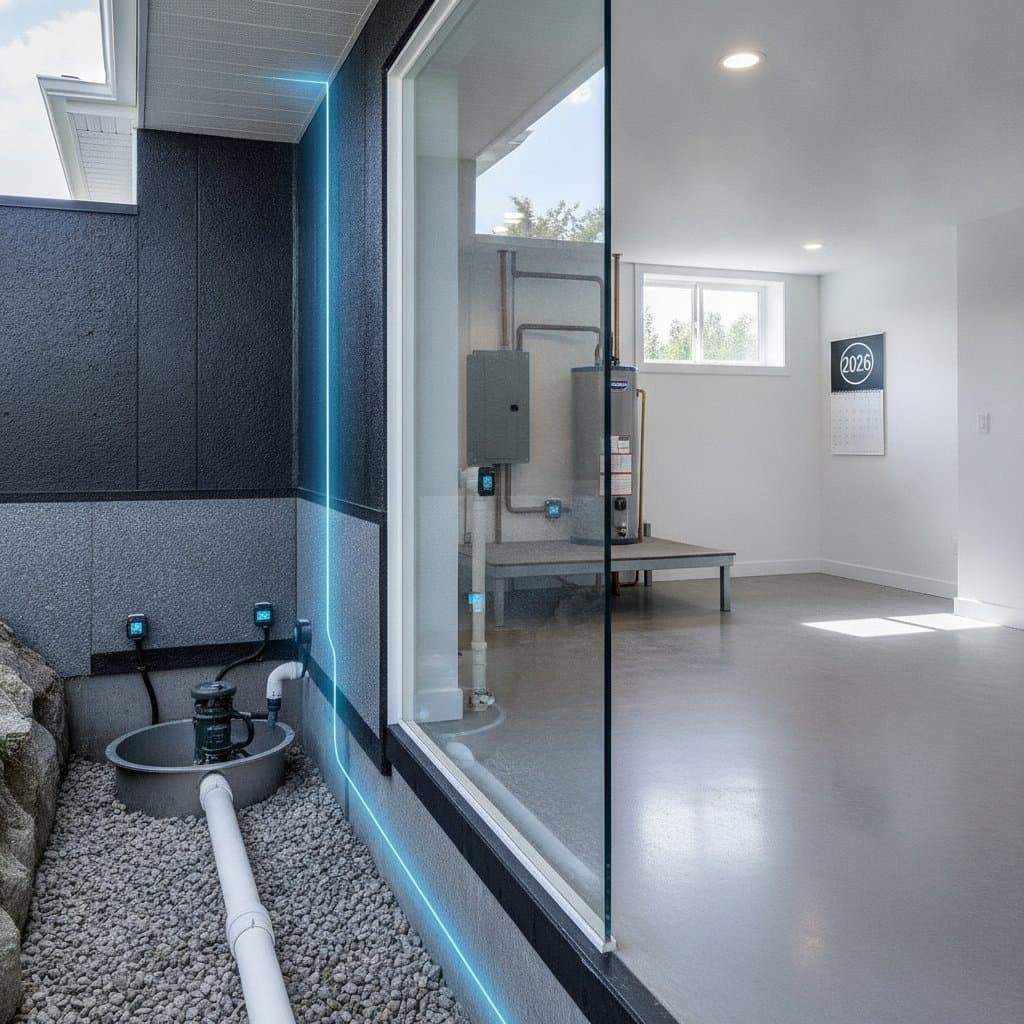
Key Takeaways
- Federal and local regulations now enforce rigorous flood-proofing for basements in high-risk and moderate-risk areas.
- Essential upgrades include waterproofing applications, advanced drainage setups, and reliable sump pumps to achieve compliance and secure insurance benefits.
- Proactive measures involve integrating structural enhancements with digital monitoring and consistent maintenance routines.
Assessing Basement Risk Under the New Regulations
Determine if your basement qualifies under the 2026 rules by examining its location on official flood maps. Properties in designated floodplains or zones with potential water accumulation must comply. Review zoning documents and insurance policies to identify applicable requirements.
Sloped terrain that channels water toward the structure often triggers inclusion, even outside primary flood zones. Past indicators such as post-storm pooling, wall seepage, or persistent damp smells suggest vulnerability. Conduct a preliminary assessment to gauge immediate needs.
Risk Evaluation Factors
- Property Elevation: Measure height above adjacent streams, rivers, or sewer lines; lower positions increase exposure.
- Soil Characteristics: Clay-rich ground retains water, exacerbating pressure on foundations; sandy soils drain more effectively.
- Foundation Construction: Traditional poured concrete shows higher susceptibility to cracks compared to reinforced block designs.
- Existing Drainage Features: Evaluate gutter extensions, downspout positioning, and connections to public stormwater networks for efficiency.
Schedule a certified inspection for precise evaluation, though initial self-checks reveal common issues. Inspect for hairline fractures, salt-like deposits on surfaces, or dampness along baseboards and corners.
Insurance Implications for Flood-Proofing Compliance
Insurance providers link coverage terms directly to demonstrated flood-resistant features under the new standards. Non-compliant properties encounter elevated premiums or limited reimbursement during claims. Carriers adopt models that incentivize risk reduction through verified protections.
Policyholders gain advantages by maintaining detailed records of installations and upkeep. Such documentation supports favorable adjustments in rates and claim processing.
Policyholder Considerations
- Installation Verification: Submit receipts and certificates for sump pumps, preventer valves, and perimeter drains to validate upgrades.
- Maintenance Documentation: Keep logs of yearly inspections and repairs to influence coverage decisions.
- Incentive Programs: Seek reductions for properties earning flood-resistant certifications from qualified assessors.
Examine your current policy for basement provisions, noting exclusions for gradual seepage or subsurface water. Add riders for comprehensive protection, as regulatory adherence often unlocks these enhancements.
Leveraging Technology for Ongoing Compliance
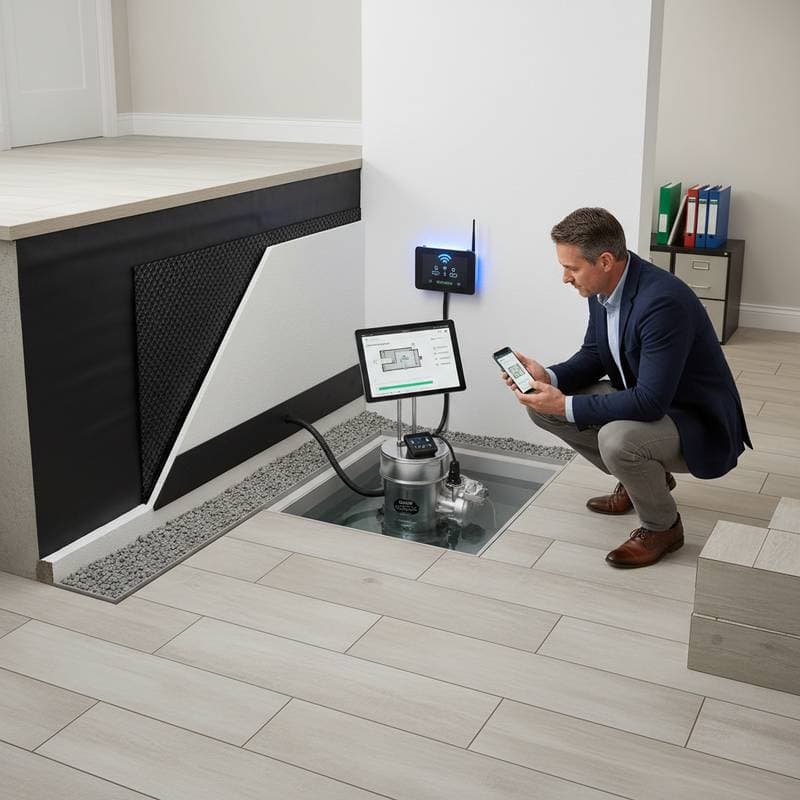
Digital tools provide real-time insights into water threats, alerting users to intrusions or equipment malfunctions. These systems connect to residential Wi-Fi for remote oversight and data logging.
Integration of sensors and monitors aligns with regulatory expectations for sustained vigilance. Homeowners rely on these for proactive responses that preserve compliance status.
Essential Technological Solutions
- Intelligent Sump Pump Alarms: Notify via app if activation fails or levels exceed safe thresholds during heavy rain.
- Perimeter Leak Detectors: Position units at base walls to identify early moisture buildup and prevent escalation.
- Backflow Valve Monitors: Track operational status through pressure readings to ensure barrier integrity.
- Digital Humidity Analyzers: Assess air quality and dehumidification performance to control mold hazards.
Beyond alerts, these tools generate audit trails with dated entries. Use them to resolve insurer queries by proving diligent oversight.
Avoiding Typical Compliance Errors
Homeowners frequently underestimate the need for thorough interventions, opting for surface-level repairs that fail over time. Such oversights result in repeated water events and regulatory violations.
Establish structured routines to sidestep these challenges. Focus on comprehensive diagnostics rather than isolated fixes.
Prevalent Errors and Prevention
- Overlooking Minor Infiltrations: Treat initial drips as harbingers of foundational flaws; engage plumbers for root-cause analysis.
- Applying Surface Sealants Alone: Select integrated membranes over mere coatings, which degrade under pressure.
- Neglecting Pump Trials: Run full tests every three months, simulating load to confirm reliability.
- Disregarding Site Grading: Reshape landscapes to divert runoff, preventing accumulation at entry points.
- Omitting Record-Keeping: Archive all work details digitally for quick access during audits or claims.
Implement a seasonal checklist: clear debris from drains biannually and verify system functionality post-rainfall. These habits yield significant risk reductions.
FAQ: Addressing Homeowner Concerns
Does installing a compliant drainage system require yard excavation?
Interior perimeter drains provide an alternative to digging outside, minimizing disruption. For severe grading or soil issues, external French drains offer superior long-term drainage.
Are permits necessary for sump pumps or backflow valves?
Local codes typically mandate approvals for any plumbing or wiring modifications. These official records double as compliance evidence for insurers.
What is the expected lifespan of a sump pump?
Units generally operate for eight to ten years under normal conditions. Frequent cycling or age signals the need for replacement to avoid failures.
Do dehumidifiers contribute to regulatory compliance?
They complement core waterproofing by managing humidity levels and curbing mold growth, though they do not replace structural barriers.
How should existing minor water problems be handled?
Resolve them promptly through targeted repairs, as the regulations prioritize elimination of all preventable risks.
Strengthening Basement Resilience
Compliance with 2026 flood standards safeguards structural integrity and financial security. Identify vulnerabilities through systematic reviews, then apply multi-layered defenses.
Consistent testing of pumps, deployment of monitoring devices, and strategic material selections ensure enduring performance. These efforts transform basements into fortified spaces that withstand environmental pressures, preserve market appeal, and deliver sustained tranquility.