Ember-Resistant Vents: 2026 Standards for Enhanced Home Protection
Homeowners have likely encountered news reports of structures that emerge unscathed from wildfires while adjacent properties suffer extensive damage. Such outcomes frequently hinge on subtle features, such as vent screens. The ember-resistant standards set to take effect in 2026 represent more than a regulatory adjustment; they address longstanding vulnerabilities, restoring confidence to residents in fire-prone areas.
Project Overview
Average Cost: $850 to $2,200 per home
Timeline: 1 to 2 days
Lifespan: 20 to 25 years
Best Season: Spring or early summer
DIY Friendly: Partially suitable for basic installations
Permits: Typically unnecessary unless integrated into a comprehensive exterior renovation
Detailed Cost Analysis
Expenses vary based on vent specifications, material quality, and local labor rates. Homeowners should prepare budgets that account for the following components:
-
Material Costs:
-
Standard stainless-steel ember-resistant vents: $30 to $60 per unit
-
Advanced fire-rated composite or dual-layer steel options: $70 to $120 per unit
-
Gable or foundation vents featuring automatic closure mechanisms: $150 to $250 per unit
-
Labor Costs:
-
Installation by a handyman or roofer: $75 to $150 per vent
-
Comprehensive replacement for 10 to 12 vents: $700 to $1,800
-
Regional Considerations:
-
Coastal locations may incur 10 to 15 percent premiums due to transportation expenses.
-
Mountainous areas could involve additional charges for accessing remote sites.
Integrating vent upgrades with projects like roof replacements or exterior painting often yields labor savings of up to 20 percent, as existing access equipment reduces setup time.
Key Requirements of the 2026 Standards
These regulations extend current wildfire building codes by imposing rigorous performance criteria. In practical application, they stipulate the following:
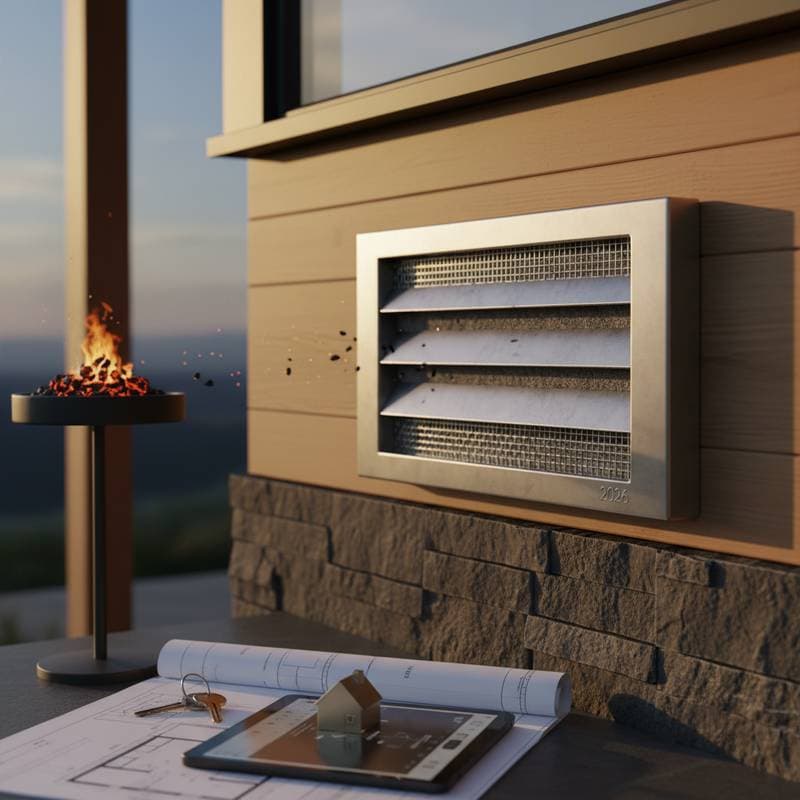
- Mesh Aperture: Openings limited to 1/8 to 1/16 inch, effectively trapping embers without compromising ventilation.
- Material Specifications: Exclusive use of stainless steel, corrosion-resistant alloys, or fire-rated composites; plastics and lightweight aluminum are prohibited.
- Thermal Endurance: Capability to endure direct flame exposure for multiple minutes without structural compromise.
- Airflow Performance: Retention of at least 60 percent of conventional vent capacity to mitigate attic humidity issues.
For those scheduling exterior modifications this year, prioritize vents compliant with these criteria. Leading suppliers offer them currently, though costs may increase upon mandatory enforcement.
Return on Investment and Enduring Benefits
Ember-resistant vents enhance home resilience without altering aesthetics, yet they generate tangible returns. Insurers often provide 5 to 10 percent premium reductions for properties adhering to wildfire mitigation protocols. Beyond financial incentives, these upgrades avert devastating damages.
Fire-related repairs to roofs and attics can exceed $60,000. An investment below $2,000 in vents substantially lowers this risk. In markets susceptible to fires, such enhancements appeal to prospective buyers; real estate professionals note that verified fire-resistant modifications can elevate home values by 3 to 5 percent.
Steps to Implement Upgrades
Installing ember-resistant vents ranks among the most prudent measures for home fortification. Begin by inspecting the exterior to identify and tally all vent locations, including attic, soffit, foundation, dryer exhaust, and gable openings. Solicit estimates from at least two certified contractors, verifying that selected products align with 2026 standards. Request certification documents for fire resistance and airflow efficiency.
On a constrained budget, focus initially on attic and gable vents, primary ember ingress points. Phase subsequent installations as resources permit.
This preparation extends beyond mere safeguards; it instills assurance amid rising winds and distant smoke.