Understanding Permit Requirements for 2026 Home Upgrades
Homeowners frequently seek ways to refresh their properties without navigating bureaucratic hurdles. As building codes evolve, 2026 introduces broader allowances for certain minor improvements, allowing projects to proceed without permits in many jurisdictions. However, misjudging requirements can lead to fines, project halts, or diminished property value. This guide clarifies the distinctions, highlights regional differences, and provides practical steps to proceed confidently.
Permits serve to ensure safety, compliance with energy standards, and structural integrity. Costs typically range from 100 to 1,000 dollars, with review periods spanning 1 to 4 weeks. For do-it-yourself enthusiasts, many tasks present moderate to complex challenges, while risks include penalties or mandatory work reversals. By categorizing upgrades early, individuals can focus efforts on permissible activities and allocate resources effectively.
Permit-Free Upgrades in 2026
Several cosmetic and low-impact modifications qualify as permit-exempt across most areas, reflecting updated codes that prioritize efficiency for non-structural changes. These options enable quick enhancements that boost aesthetics and functionality without official oversight.
-
Interior painting and wallpapering: Refreshing surfaces with new coats or coverings requires no approval, as these alterations do not affect building systems. Homeowners can experiment with colors to modernize spaces, provided materials meet basic fire safety norms.
-
Flooring replacements: Installing carpet, hardwood, laminate, or tile over existing subfloors avoids permits, unless subfloor removal exposes structural elements. This upgrade improves durability and style, often completed in a weekend with standard tools.
-
Cabinetry and countertop swaps in kitchens or bathrooms: Replacing units without altering plumbing or electrical connections qualifies as exempt. Select pre-fabricated options for seamless fits that enhance usability without code reviews.
-
Minor fixture updates: Swapping light fixtures, faucets, or hardware on existing lines bypasses permits, focusing on style rather than system modifications. Ensure compatibility with current setups to prevent unintended complications.
-
Landscaping and exterior painting: Planting gardens, adding mulch, or repainting siding falls outside permit scopes, as these enhance curb appeal without impacting the home's core. Check homeowner association rules for additional guidelines.
-
Appliance installations: Adding or replacing freestanding units like refrigerators or washers connects to existing utilities without needing inspections. Built-in models may require verification if they involve custom wiring.
These exemptions vary by locality; urban zones might impose stricter thresholds than rural ones. Always consult municipal websites or local offices for precise boundaries, especially in historic districts where even paint colors face restrictions.
Projects Requiring Permits in 2026
Structural, electrical, or mechanical alterations demand permits to uphold safety and code adherence. Oversight prevents hazards like electrical fires or weakened foundations, ensuring long-term habitability.
-
Room additions or space conversions: Expanding living areas, such as transforming a garage into a bedroom, alters occupancy loads and necessitates structural assessments. Engineers often evaluate load-bearing changes to confirm stability.
-
Electrical system modifications: Relocating outlets, installing new circuits, or upgrading panels requires licensed inspections to mitigate shock risks. Outdated wiring poses fire dangers, making professional involvement essential.
-
Plumbing reroutes or additions: Extending pipes for new bathrooms or laundry rooms triggers reviews for water pressure and sewage compliance. Leaks from improper installations can cause extensive damage.
-
Roofing overhauls or framing adjustments: Full replacements or modifications to rafters affect weatherproofing and load distribution. Inspectors verify materials resist local climate stresses, like high winds or heavy snow.
-
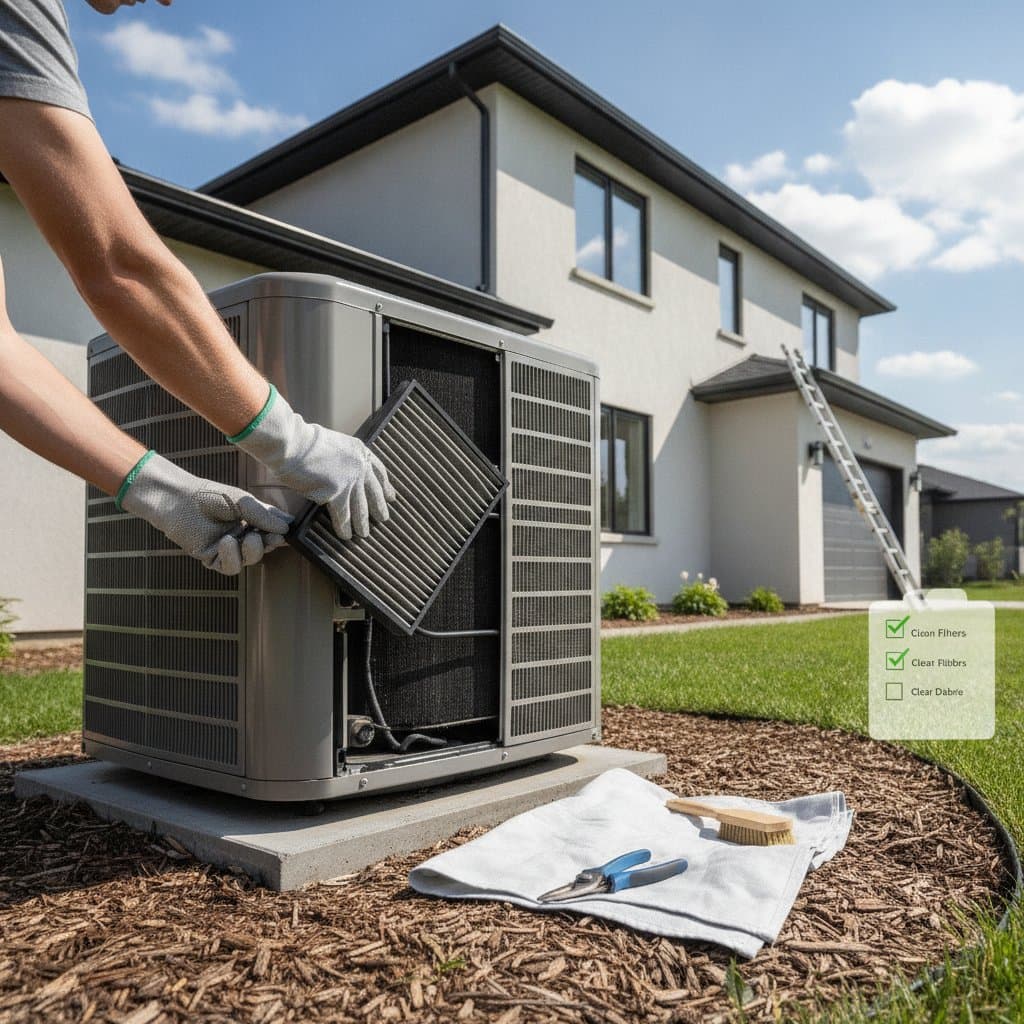
HVAC system installations or gas line extensions: Introducing furnaces, air conditioners, or connecting grills involves ventilation and leak checks. These ensure efficient energy use and prevent carbon monoxide exposure.
-
Window and door replacements altering openings: Resizing frames impacts emergency egress and thermal performance. Energy-efficient models must align with updated insulation mandates.
Neglecting permits here invites stop-work orders, fines up to several thousand dollars, or insurance denials during claims. In severe cases, authorities mandate dismantling non-compliant work, escalating expenses.
Local codes differ significantly; coastal regions emphasize flood-resistant designs, while seismic areas prioritize earthquake reinforcements. Online permit portals in many cities offer checklists tailored to zip codes, streamlining preliminary research.
Strategies to Streamline Permitted Projects
Even when approvals are necessary, proactive measures reduce delays and costs. Integrating these tactics into planning phases yields smoother executions.
-
Combine multiple upgrades under one application: Grouping electrical and plumbing tasks into a single permit cuts fees and review times. Submit detailed blueprints to expedite processing.
-
Schedule during slower periods: Submit applications in winter or early spring when inspector workloads lighten. Some municipalities offer priority lanes for urgent safety fixes.
-
Engage certified professionals: Contractors familiar with 2026 codes handle paperwork and qualify for fast-track options. Their expertise minimizes errors that prolong approvals.
-
Document every step meticulously: Retain copies of permits, inspection reports, and material receipts. This portfolio bolsters home appraisals and facilitates future sales.
Initial consultations with building departments prove invaluable; many provide free 30-minute sessions to outline requirements. Virtual tools, like interactive code finders, further accelerate preparations.
Preparing and Executing Your Upgrade Plan
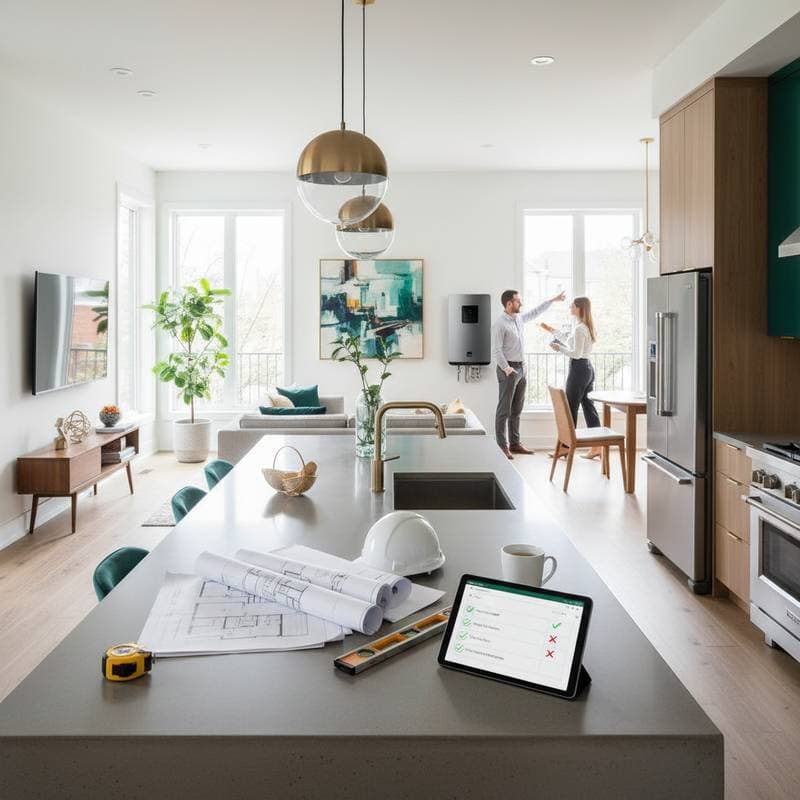
Begin by inventorying desired changes, classifying them as cosmetic, mechanical, or structural. Cross-reference against local guidelines via official resources. If ambiguities arise, arrange a pre-project site visit from an inspector to clarify needs before procurement.
Budget for potential fees by setting aside 5 to 10 percent of project costs. Track progress with a timeline that accounts for approval waits, ensuring materials arrive post-confirmation. This methodical approach not only complies with regulations but also preserves warranty coverage on installations.
Ultimately, informed renovations enhance living quality while upholding property worth. Prioritizing compliance over shortcuts delivers enduring benefits, from safer environments to higher market appeal. Seek professional input proactively to transform visions into reality without repercussions.